

Twin Peaks: Mysteries Behind David Lynch’s Cult Phenomenon
David Lynch’s Twin Peaks redefined television when it first aired in 1990. Its blend of surrealism, mystery, and dark humor captivated audiences and left an indelible mark on popular culture. But Twin Peaks is more than just a murder mystery; it’s an exploration of the hidden darkness within small-town America and a deep dive into themes of duality, dreams, and the subconscious. Lynch’s vision brought viewers into a world that’s as eerie as it is beautiful, filled with symbolism and unanswered questions that continue to intrigue fans.
 Sly Puzzle Games


Let’s unravel some of the central mysteries behind Twin Peaks and explore why this cult phenomenon still captivates audiences.
1. The Duality of Twin Peaks: Light vs. Dark
One of the core themes in Twin Peaks is the duality within people and places, symbolized by the town’s tranquil exterior hiding a dark underbelly of secrets. The show reveals that beneath the peaceful façade of Twin Peaks lies a world of illicit affairs, violence, and supernatural forces. Characters often grapple with their own dual natures — for instance, Laura Palmer, whose double life reflects both innocence and corruption.
This theme of duality mirrors the human experience, suggesting that everyone harbors both light and darkness. Lynch uses this contrast to comment on the hidden evils lurking in everyday life, posing the unsettling question: can anyone truly be innocent? The town of Twin Peaks becomes a microcosm for human nature, embodying both beauty and horror.
2. The Red Room and the Language of Dreams
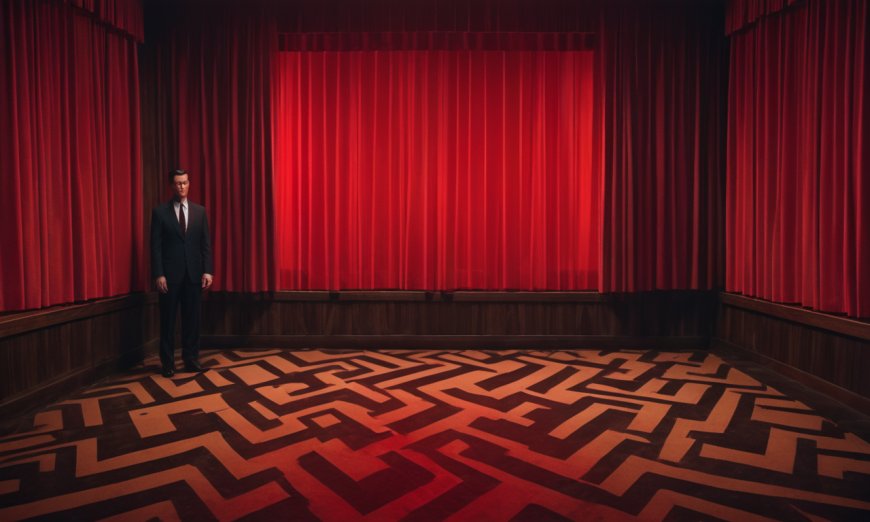
The Red Room, with its zigzagging floor and red curtains, is one of Twin Peaks’ most iconic and mysterious locations. This surreal, otherworldly space represents the subconscious and acts as a bridge between the human world and supernatural forces. Here, characters experience bizarre visions and cryptic messages delivered by strange entities, like the Man from Another Place and the Giant.
The Red Room’s dreamlike nature reflects Lynch’s fascination with the subconscious and dream symbolism. By blending surreal imagery with cryptic dialogue, Lynch encourages viewers to interpret these sequences through intuition rather than logic, suggesting that dreams hold hidden truths. The Red Room scenes emphasize the show’s surrealism, reminding us that the line between reality and the subconscious is thin and that dreams can reveal what logic conceals.
3. Laura Palmer: A Symbol of Lost Innocence
The murder of Laura Palmer serves as the central mystery in Twin Peaks, but her character symbolizes much more than just a victim. Laura embodies both purity and corruption, appearing as a sweet, popular girl while secretly leading a life filled with darkness and despair. Her death exposes the hidden sins of Twin Peaks and the complex nature of her character.
Laura’s dual life represents the loss of innocence, not only on an individual level but within the entire community. Lynch uses Laura to explore the ways in which society often idealizes and vilifies women, particularly those who dare to defy societal norms. Her tragic fate serves as a cautionary tale about the dangers of repressing one’s true self, reminding viewers of the high cost of societal expectations and hidden lives.
4. The Symbolism of Owls and Supernatural Forces
In Twin Peaks, owls appear as mysterious symbols linked to the supernatural. The phrase “The owls are not what they seem” hints at the unsettling and unpredictable forces at play. These owls are often seen watching over characters in pivotal moments, symbolizing the presence of otherworldly forces lurking within the town.
Lynch uses owls to suggest that the boundaries between our world and a darker, spiritual realm are thin. The recurring image of owls hints at hidden knowledge and the presence of malevolent forces, as well as the idea that humans are being watched and influenced by powers they cannot comprehend. This recurring symbol reinforces the sense of foreboding that pervades Twin Peaks, reminding viewers that something sinister lurks just beyond sight.
5. Agent Cooper and the Search for Truth
FBI Agent Dale Cooper, the show’s protagonist, is not your typical investigator. His intuitive approach, reliance on dreams, and fascination with the town’s strange happenings set him apart from other detectives. Cooper’s quest for truth often leads him into supernatural realms, blurring the line between logic and mysticism.
Cooper’s character symbolizes the idea that truth is not always found through conventional means. His openness to the mysteries of Twin Peaks allows him to explore realms that others dismiss, reflecting Lynch’s view that intuition and emotion are as valuable as logic in understanding the world. Through Cooper’s journey, Twin Peaks suggests that true understanding requires an openness to both reason and the unknown.
6. The Black Lodge: A Realm of Malevolence
The Black Lodge, introduced as a place of pure evil, is a parallel dimension where malevolent spirits reside. This dark realm is inhabited by figures like Killer BOB, an evil spirit responsible for possessing humans and committing heinous acts. The Black Lodge represents the darkness within the human psyche, serving as a cautionary symbol for unchecked desires and hidden impulses.
Lynch’s depiction of the Black Lodge warns of the destructive potential of repressed emotions and secrets. The entities within the Lodge feed off human suffering, reflecting the idea that the darkness we hide within ourselves can grow and take control if left unacknowledged. The Black Lodge stands as a symbol of humanity’s darkest impulses, a realm where the boundaries of morality and identity blur.
Interesting Fact
Did you know that Lynch kept the identity of Laura Palmer’s killer a secret from most of the cast during filming? The reveal was delayed to maintain the mystery and suspense on set, intensifying the eerie atmosphere that became a hallmark of Twin Peaks.
Conclusion
Twin Peaks is a rich tapestry of mystery, symbolism, and surrealism, blending a classic murder mystery with dark psychological themes and supernatural elements. Lynch’s exploration of duality, hidden darkness, and the mysteries of the subconscious elevates the series into something far deeper than a typical drama. By inviting viewers to question reality, truth, and the boundaries of the human psyche, Twin Peaks remains a cult phenomenon that continues to challenge and intrigue audiences decades later.
The show’s layered symbolism, iconic imagery, and unsettling atmosphere remind us that life is full of mysteries, many of which cannot be solved with logic alone. Through its enigmatic story and characters, Twin Peaks suggests that the darkest secrets may lie within ourselves, hidden beneath the surface, waiting to be uncovered.