

Plastic Pollution: How It Affects Oceans and Marine Wildlife
Investigate the impact of plastic waste on ocean ecosystems and marine species, and discuss initiatives aimed at reducing plastic pollution.
 Sly Puzzle Games
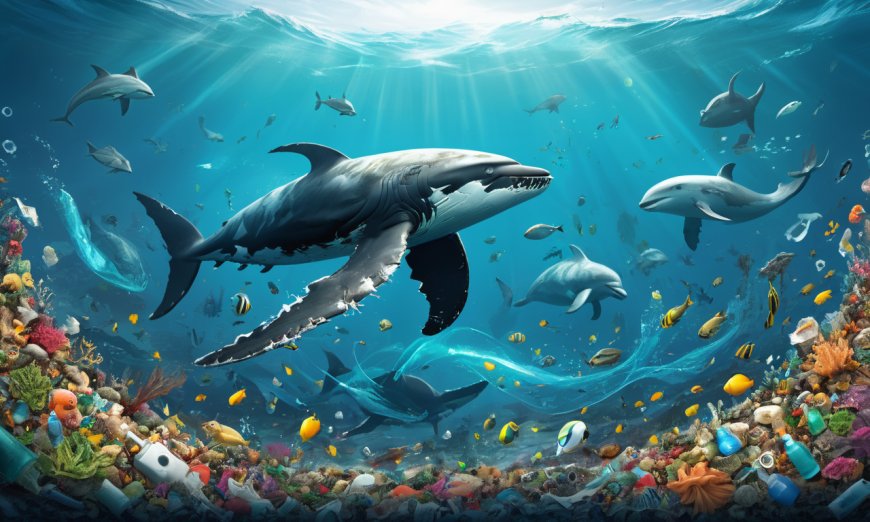


Plastic pollution is one of the most pressing environmental challenges of our time, with devastating effects on oceans and marine wildlife. Every year, millions of tons of plastic waste enter the ocean, where it harms marine species, disrupts ecosystems, and even impacts human health. In this article, we will explore the impact of plastic pollution on ocean ecosystems, the threats it poses to marine life, and the initiatives aimed at reducing plastic waste and mitigating its effects on our oceans.
The Scope of Plastic Pollution
- Sources of Plastic Waste
Plastic pollution in the oceans originates from various sources, including improper disposal of plastic products, littering, industrial waste, and runoff from urban areas. A significant portion of this waste comes from single-use plastics, such as packaging, bottles, straws, and bags, which are used once and then discarded. These plastics often end up in rivers and streams, eventually making their way to the ocean.
- Plastic in the Ocean
Once in the ocean, plastic waste can travel vast distances, carried by currents and winds. Over time, larger plastic items break down into smaller particles known as microplastics, which are less than 5 millimeters in size. Microplastics are now found in nearly every part of the ocean, from surface waters to the deepest ocean trenches.
- The Great Pacific Garbage Patch
One of the most infamous examples of ocean plastic pollution is the Great Pacific Garbage Patch, a massive accumulation of plastic debris located in the North Pacific Ocean. This "patch" is not a solid island of trash, but rather a dispersed area where plastic waste collects due to ocean currents. It is estimated to cover an area twice the size of Texas and contains millions of tons of plastic waste.
Impact on Marine Wildlife
- Ingestion and Starvation
Marine animals, including fish, seabirds, and sea turtles, often mistake plastic debris for food. Ingesting plastic can lead to blockages in the digestive system, internal injuries, and malnutrition, as the plastic takes up space in the stomach and reduces the animal's ability to consume actual food. For example, sea turtles frequently mistake plastic bags for jellyfish, their natural prey, leading to life-threatening consequences.
- Entanglement
Plastic pollution also poses a significant threat to marine wildlife through entanglement. Animals can become entangled in discarded fishing nets, plastic packaging, and other debris, leading to injuries, restricted movement, and even death. Entangled animals may drown, starve, or be unable to escape predators.
- Toxicity and Chemical Exposure
As plastics degrade in the ocean, they release harmful chemicals, such as bisphenol A (BPA) and phthalates, which can accumulate in the tissues of marine organisms. Additionally, plastics can absorb toxic pollutants from the surrounding water, making them even more dangerous when ingested by marine animals. These toxins can affect the health and reproductive success of marine species and may also bioaccumulate up the food chain, ultimately impacting human health.
- Disruption of Marine Ecosystems
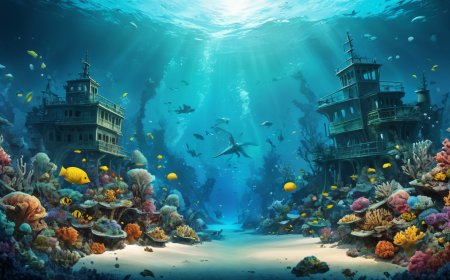
The presence of plastic pollution in the ocean disrupts natural ecosystems by altering habitats and introducing foreign materials into delicate environments. Coral reefs, for example, are particularly vulnerable to plastic pollution. Plastics can smother corals, block sunlight, and introduce pathogens, leading to coral diseases and further degradation of these critical ecosystems.
Initiatives to Reduce Plastic Pollution
- Reducing Single-Use Plastics
One of the most effective ways to combat plastic pollution is to reduce the production and use of single-use plastics. Many countries and cities have implemented bans or restrictions on single-use plastic items, such as plastic bags, straws, and cutlery. These measures encourage the use of reusable alternatives and help to reduce the amount of plastic waste entering the environment.
- Improving Waste Management
Improving waste management infrastructure is crucial for preventing plastic pollution. This includes expanding recycling programs, promoting compostable materials, and ensuring that waste is properly collected and processed. In developing countries, where waste management systems may be inadequate, investment in infrastructure and education is essential to reduce plastic waste.
- Beach Cleanups and Ocean Cleanup Initiatives
Beach cleanups and ocean cleanup initiatives are critical for removing existing plastic pollution from the environment. Volunteer organizations and NGOs around the world organize regular beach cleanups to remove plastic debris from shorelines. In addition, technological innovations, such as the Ocean Cleanup project, aim to remove large amounts of plastic from the ocean using specially designed systems that capture and remove debris from the water.
- Education and Awareness
Raising awareness about the impact of plastic pollution is key to changing behavior and promoting sustainable practices. Public education campaigns, documentaries, and social media initiatives highlight the dangers of plastic pollution and encourage individuals to reduce their plastic use. Educating the public, particularly younger generations, about the importance of protecting the ocean can lead to lasting change.
- Supporting Research and Innovation
Ongoing research and innovation are essential for developing new solutions to combat plastic pollution. Scientists are exploring biodegradable alternatives to traditional plastics, such as bioplastics made from plant materials, which can break down more easily in the environment. Additionally, research into the effects of microplastics and the development of new technologies for removing plastic from the ocean are critical for addressing this global challenge.
A Little Fun Fact
Oh, and by the way, did you know that some marine organisms, like certain species of bacteria, have evolved the ability to break down plastic? While this discovery offers hope, it also highlights the need for caution, as the long-term effects of such adaptations on ecosystems are still not fully understood.
Conclusion
Plastic pollution is a pervasive threat to the health of our oceans and marine wildlife. The ingestion and entanglement of marine species, the disruption of ecosystems, and the potential impact on human health underscore the urgency of addressing this environmental crisis. By reducing plastic use, improving waste management, supporting cleanup efforts, and investing in research and innovation, we can take meaningful steps to protect our oceans and the diverse life they support.
And if you love solving environmental mysteries and exploring the wonders of nature, don’t forget to check out our word puzzle game, Sly Puzzle Games. It's a great way to keep your brain sharp and entertained. Happy exploring!