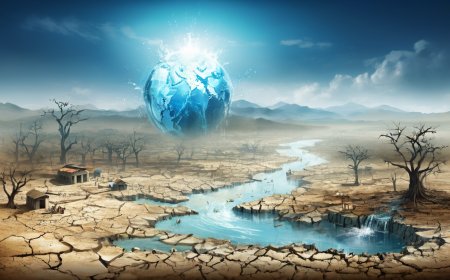


The Future of Renewable Energy: Powering a Sustainable World
Discuss the latest advancements in renewable energy technologies, their environmental benefits, and the role they play in reducing our carbon footprint and combating climate change.
 Sly Puzzle Games
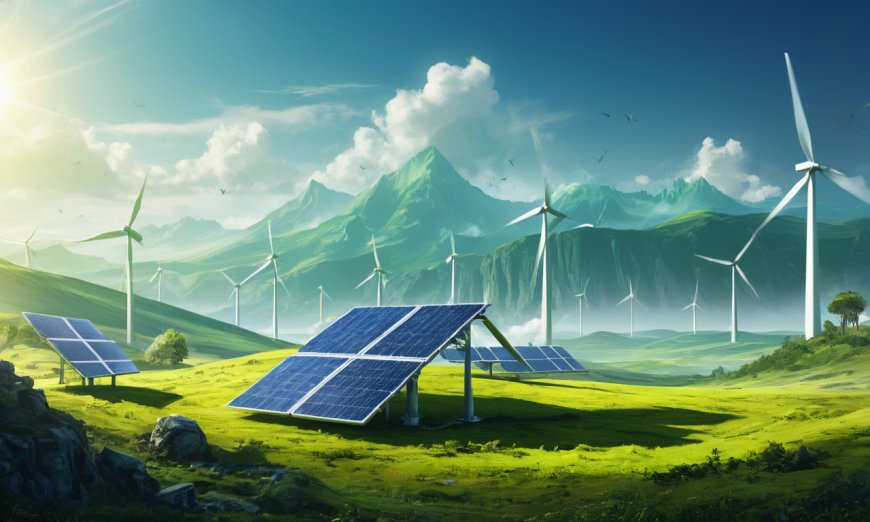


The world is rapidly transitioning toward renewable energy as a critical solution to combat climate change, reduce our carbon footprint, and ensure a sustainable future. As traditional fossil fuels are phased out due to their environmental impact, renewable energy technologies are advancing at an unprecedented rate, offering cleaner, more efficient ways to power our world. From solar and wind to hydropower and innovative battery storage, renewable energy is reshaping the global energy landscape. In this article, we will explore the latest advancements in renewable energy technologies, their environmental benefits, and their role in driving the shift toward a sustainable, carbon-neutral future.
The Importance of Renewable Energy
- Environmental Benefits
Renewable energy sources, such as solar, wind, hydro, and geothermal, produce little to no greenhouse gas emissions during operation, making them a vital tool in the fight against climate change. By replacing fossil fuels—coal, oil, and natural gas—with renewable energy, we can significantly reduce carbon dioxide (CO2) emissions, which are the primary driver of global warming.
In addition to reducing greenhouse gas emissions, renewable energy technologies help reduce air and water pollution, limit habitat destruction, and conserve finite natural resources. These environmental benefits contribute to healthier ecosystems and improved public health by reducing the pollutants that contribute to respiratory diseases and other health issues.
- Reducing the Carbon Footprint
The energy sector is one of the largest contributors to global carbon emissions, accounting for nearly 75% of total CO2 emissions. By transitioning to renewable energy sources, we can dramatically reduce our carbon footprint. Solar panels, wind turbines, and other renewable technologies do not emit carbon during energy generation, and as their use becomes more widespread, the cumulative impact on emissions reduction will be transformative.
Advancements in Renewable Energy Technologies
- Solar Power: Efficiency and Innovation
Solar energy has seen remarkable advancements in recent years, with significant improvements in both efficiency and affordability. Photovoltaic (PV) cells, which convert sunlight directly into electricity, have become more efficient at capturing solar energy, while the cost of solar panels has dropped dramatically. Today, solar power is one of the most cost-effective sources of renewable energy, and it continues to grow as one of the fastest-expanding energy technologies worldwide.
Innovations in solar technology are also making solar energy more versatile. Bifacial solar panels, which capture sunlight on both sides of the panel, have increased efficiency, while flexible and transparent solar panels are opening up new possibilities for integrating solar power into buildings, vehicles, and everyday devices. Solar energy storage systems are also improving, allowing excess energy generated during the day to be stored for use at night or during cloudy conditions.
- Wind Energy: Larger Turbines, Greater Power
Wind energy is another rapidly advancing technology. Modern wind turbines are becoming larger and more powerful, with offshore wind farms leading the way in energy generation. Offshore wind turbines can take advantage of stronger and more consistent winds over the ocean, generating more electricity than their onshore counterparts. In fact, some of the latest offshore wind turbines can produce up to 15 megawatts of power each, enough to power thousands of homes.
Floating wind farms, which allow turbines to be placed in deeper waters where traditional foundations are not feasible, are another exciting development. This technology expands the potential for wind energy generation in regions with limited shallow coastal areas, further increasing the capacity for clean energy.
- Hydropower: Modernization and Small-Scale Solutions
Hydropower has long been a reliable source of renewable energy, providing clean electricity through the movement of water in dams and rivers. However, large-scale hydropower projects can have significant environmental and social impacts, such as disrupting ecosystems and displacing communities. To address these concerns, advancements in small-scale hydropower systems are gaining attention.
Run-of-river hydropower, for example, generates electricity without the need for large dams by using the natural flow of rivers. This approach minimizes environmental disruption while still providing renewable energy. Additionally, efforts to modernize existing hydropower infrastructure by improving turbine efficiency and implementing fish-friendly technologies are helping to reduce the environmental footprint of hydropower plants.
- Geothermal Energy: Harnessing the Earth's Heat
Geothermal energy, which taps into the heat stored beneath the Earth's surface, is another promising renewable energy source. Geothermal power plants convert heat from underground reservoirs of hot water and steam into electricity. This technology is particularly effective in regions with volcanic activity, such as Iceland, where geothermal energy already provides the majority of the country’s electricity and heating needs.
Enhanced Geothermal Systems (EGS) are a new advancement that could expand the potential for geothermal energy in areas without naturally occurring geothermal reservoirs. EGS technology involves drilling deep into the Earth’s crust to create artificial reservoirs, allowing for the generation of geothermal energy in a wider range of locations.
- Energy Storage: Overcoming Intermittency Challenges
One of the biggest challenges of renewable energy, particularly solar and wind, is their intermittent nature—they only generate electricity when the sun is shining or the wind is blowing. Advances in energy storage technologies are helping to overcome this challenge by allowing excess energy to be stored and used when needed.
Lithium-ion batteries, which have become the standard for energy storage, are now being deployed on a large scale in grid-connected storage systems, providing backup power during periods of low renewable energy generation. In addition, new technologies such as flow batteries, which offer longer-lasting and more scalable energy storage, are emerging as promising solutions.
Hydrogen storage is another area of innovation. Excess renewable energy can be used to produce hydrogen through electrolysis, which splits water into hydrogen and oxygen. The hydrogen can then be stored and later used to generate electricity, providing a carbon-free energy storage solution.
The Role of Renewable Energy in Combating Climate Change
- Decarbonizing the Energy Sector
The transition to renewable energy is critical to decarbonizing the energy sector, which is essential for limiting global temperature rise to below 1.5°C, as outlined in the Paris Agreement. By replacing fossil fuels with renewables, we can significantly reduce the carbon emissions that contribute to global warming, helping to slow the progression of climate change and mitigate its impacts.
Renewable energy also contributes to energy independence and security. Countries that invest in renewables can reduce their reliance on imported fossil fuels, ensuring a more stable and sustainable energy supply.
- Creating Green Jobs and Economic Opportunities
The renewable energy sector is also driving job creation and economic growth. According to the International Renewable Energy Agency (IRENA), renewable energy employment surpassed 12 million jobs globally in 2020, with solar and wind power being the largest contributors. As the demand for renewable energy technologies grows, so does the potential for new green jobs in manufacturing, installation, maintenance, and research.
Investments in renewable energy infrastructure, such as wind farms, solar parks, and smart grids, not only create jobs but also contribute to a cleaner, more resilient economy. These investments are critical for transitioning to a sustainable future while promoting economic recovery and development.
- Reducing Energy Inequality
Renewable energy technologies, particularly decentralized systems like rooftop solar panels and small wind turbines, offer an opportunity to expand energy access to remote and underserved communities. In many parts of the world, rural areas lack reliable access to electricity, limiting economic opportunities and quality of life. By deploying small-scale renewable energy systems, these communities can gain access to affordable, clean power, helping to bridge the energy gap and promote social equity.
A Little Fun Fact
Oh, and by the way, did you know that solar energy can now be generated at night? Scientists have developed solar panels that can capture infrared radiation emitted by the Earth’s surface after sunset, turning it into usable energy. This technology, still in its early stages, has the potential to revolutionize solar power by providing continuous energy, day and night.
Conclusion
The future of renewable energy is bright, as advancements in technology are making it more efficient, affordable, and scalable than ever before. From solar and wind to geothermal and hydropower, renewable energy is key to reducing our carbon footprint, combating climate change, and building a sustainable world. As the world continues to transition away from fossil fuels, investing in renewable energy will be essential for powering our homes, industries, and economies with clean, green energy for generations to come.
And if you love solving environmental mysteries and exploring the wonders of nature, don’t forget to check out our word puzzle game, Sly Puzzle Games. It's a great way to keep your brain sharp and entertained. Happy exploring!