

The Role of Wetlands in Climate Regulation
Discuss the importance of wetlands in carbon sequestration, flood control, and supporting biodiversity, along with efforts to conserve these vital ecosystems.
 Sly Puzzle Games
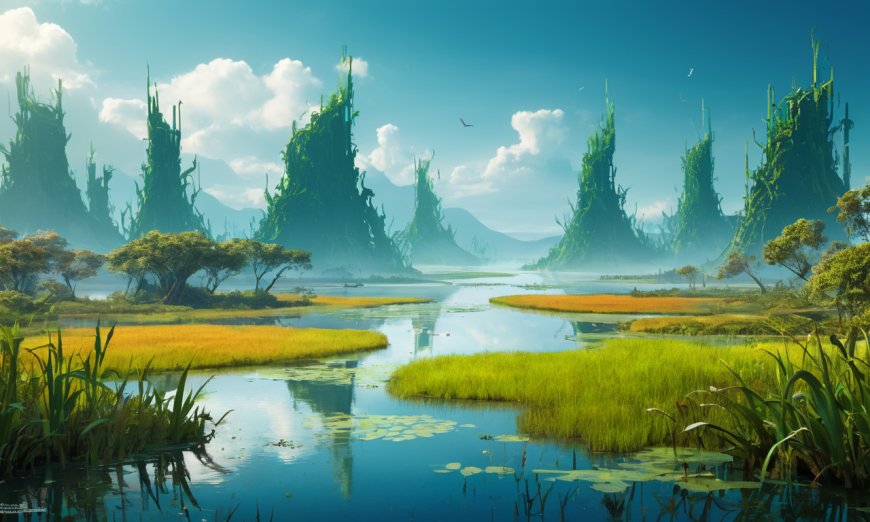


Wetlands, often referred to as the "kidneys of the Earth," are among the most productive and ecologically important ecosystems on the planet. These areas, where water meets land, include marshes, swamps, bogs, and mangroves, and play a critical role in regulating the global climate. Wetlands are essential for carbon sequestration, flood control, and supporting a diverse range of species. Despite their importance, wetlands are increasingly threatened by human activities. In this article, we will explore the vital functions of wetlands, their role in climate regulation, and the efforts needed to conserve these precious ecosystems.
Wetlands and Carbon Sequestration
- Natural Carbon Sinks
Wetlands are among the most efficient natural carbon sinks on Earth. They store vast amounts of carbon in their soils and vegetation, which helps to mitigate the effects of climate change. Peatlands, a type of wetland, are particularly effective at sequestering carbon. Although they cover only about 3% of the Earth's land surface, peatlands store nearly one-third of the world's soil carbon, which is more than all the forests combined.
- Carbon Storage in Soil
The waterlogged conditions of wetlands slow down the decomposition of organic matter, allowing it to accumulate as carbon-rich peat or soil. This process locks carbon away for thousands of years. However, when wetlands are drained or degraded, this stored carbon is released back into the atmosphere as carbon dioxide (CO2), contributing to global warming.
- Mangroves and Blue Carbon
Coastal wetlands, such as mangroves, salt marshes, and seagrasses, also play a significant role in carbon sequestration. These ecosystems, often referred to as "blue carbon" habitats, capture and store carbon in both their biomass and the sediments below them. Mangroves, for example, can store up to four times more carbon per hectare than tropical rainforests, making them a crucial component of global carbon management.
Wetlands and Flood Control
- Natural Water Buffers
Wetlands act as natural buffers against flooding by absorbing and storing excess water during heavy rainfall or storm surges. The spongy nature of wetland soils allows them to hold large quantities of water, which helps to slow down and reduce the flow of floodwaters. This capacity to manage water flow is particularly important in flood-prone regions, where wetlands can reduce the severity and impact of floods on human settlements.
- Coastal Protection
Coastal wetlands, including mangroves and salt marshes, provide a critical defense against coastal erosion and storm surges. The roots of mangroves help stabilize shorelines, while their dense canopies dissipate wave energy, reducing the force of storm surges before they reach inland areas. These natural defenses are increasingly valuable as climate change leads to rising sea levels and more intense storms.
Biodiversity Support in Wetlands
- Habitat for Species
Wetlands are among the most biologically diverse ecosystems on Earth, supporting a wide range of species, including fish, birds, amphibians, and invertebrates. Many species depend on wetlands for breeding, feeding, and shelter. For example, migratory birds rely on wetlands as stopover points during their long journeys, while fish use wetlands as nurseries for their young.
- Unique and Endangered Species
Wetlands are home to many unique and endangered species that have adapted to the specific conditions of these environments. The loss or degradation of wetlands can lead to the decline or extinction of these species, as they often cannot survive in other habitats. Conserving wetlands is therefore crucial for maintaining global biodiversity.
Threats to Wetlands
- Drainage and Land Conversion
One of the greatest threats to wetlands is drainage for agricultural expansion, urban development, and infrastructure projects. Draining wetlands for cropland or real estate not only destroys these ecosystems but also releases significant amounts of stored carbon into the atmosphere.
- Pollution
Pollution from agricultural runoff, industrial waste, and untreated sewage can severely degrade wetland ecosystems. Excess nutrients, such as nitrogen and phosphorus, can lead to eutrophication, causing algal blooms that deplete oxygen levels and harm aquatic life.
- Climate Change
Climate change poses a significant threat to wetlands, particularly through rising sea levels, increased temperatures, and altered precipitation patterns. Coastal wetlands are especially vulnerable to sea-level rise, which can lead to the loss of habitat and the encroachment of saltwater into freshwater systems.
Conservation Efforts
- Restoration Projects
Wetland restoration involves rehabilitating degraded wetlands or creating new wetlands to replace those that have been lost. Restoration projects often focus on re-establishing natural water flow, replanting native vegetation, and removing invasive species. Successful restoration can enhance biodiversity, improve water quality, and increase carbon sequestration.
- Protected Areas and Ramsar Sites
The designation of protected areas, such as national parks and nature reserves, is crucial for conserving wetlands. The Ramsar Convention, an international treaty, aims to protect wetlands of international importance, known as Ramsar Sites. There are currently over 2,400 Ramsar Sites worldwide, covering more than 2.5 million square kilometers of wetlands.
- Sustainable Management Practices
Adopting sustainable land and water management practices can help preserve wetlands while allowing for their use by local communities. This includes promoting sustainable agriculture, reducing pollution, and implementing integrated water management strategies that prioritize wetland conservation.
A Little Fun Fact
Oh, and by the way, did you know that the Everglades in Florida, one of the largest wetlands in the world, is home to both alligators and crocodiles? It's the only place on Earth where these two species coexist, making the Everglades a unique and fascinating ecosystem.
Conclusion
Wetlands are vital ecosystems that play a crucial role in regulating the Earth's climate, protecting against floods, and supporting biodiversity. Despite their importance, wetlands are under threat from human activities and climate change. Conservation efforts, including restoration projects, the establishment of protected areas, and sustainable management practices, are essential to preserve these invaluable ecosystems for future generations.
And if you love solving environmental mysteries and exploring the wonders of nature, don’t forget to check out our word puzzle game, Sly Puzzle Games. It's a great way to keep your brain sharp and entertained. Happy exploring!