

The Predictions of Dune: Was Frank Herbert Ahead of His Time?
Frank Herbert’s Dune, first published in 1965, has become one of the most influential science fiction novels of all time, known for its complex world-building, political intrigue, and philosophical depth. But beyond its compelling story, Dune is also filled with insights and predictions about society, technology, and the environment that feel remarkably relevant today. From environmental challenges to power struggles, Herbert’s vision of the desert planet Arrakis and its inhabitants seems to offer a prescient look at our world’s potential future.
 Sly Puzzle Games


Let’s explore the predictions in Dune that seem eerily accurate and consider whether Frank Herbert was truly ahead of his time.
1. Environmentalism and the Fragile Balance of Ecosystems
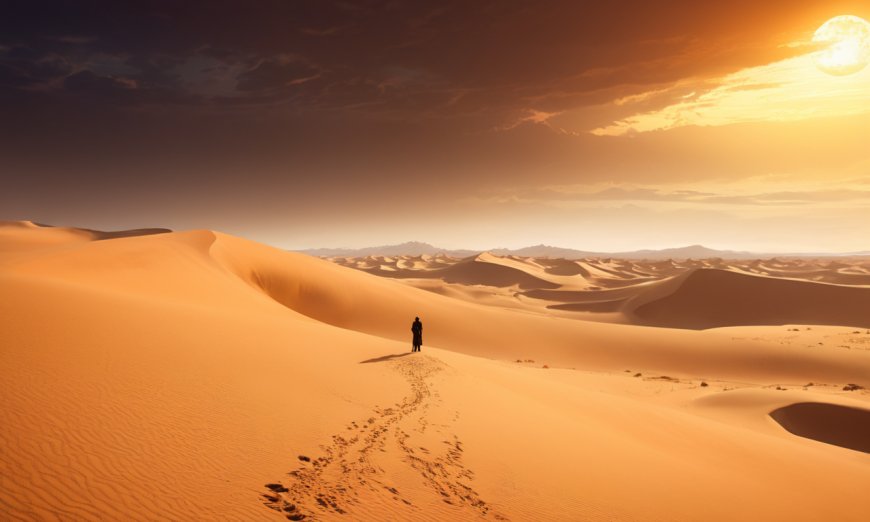
One of the central themes in Dune is the harsh, unforgiving environment of Arrakis, a desert planet where water is the most precious resource. The Fremen, the planet’s indigenous people, have learned to survive by conserving water in every possible way, living in harmony with the desert’s extreme conditions. Herbert’s exploration of ecology and resource scarcity feels especially relevant today, as many regions face water shortages and climate change impacts.
Herbert’s vision was remarkably forward-thinking, recognizing the importance of ecosystems and the delicate balance needed to sustain them. Dune serves as a reminder of humanity’s dependence on natural resources and the dangers of exploiting them recklessly. Herbert’s environmental themes urge us to respect the planet’s limits, making Dune a cautionary tale about the potential consequences of ignoring ecological sustainability.
2. The Danger of Powerful Corporations and Resource Control
The spice melange, a substance found only on Arrakis, is the most valuable resource in the universe, granting extended life, heightened awareness, and enabling interstellar travel. The control of spice production gives immense power to those who govern Arrakis, creating a monopoly that mirrors real-world issues of corporate power and resource control. In Dune, the spice is both an economic asset and a tool for power, controlled by a few who dictate its distribution.
This theme reflects modern concerns about oil and other resources controlled by powerful corporations and governments. Herbert’s Dune anticipates a future where a single resource holds entire economies and political systems in balance. By exploring the monopoly over spice, Herbert warns of the risks involved when a powerful few control essential resources, emphasizing the need for fair access and ethical governance.
3. Religious Influence and the Manipulation of Belief
In Dune, religion plays a crucial role in shaping societies and guiding the actions of both leaders and followers. The Bene Gesserit, a secretive sisterhood with mystical powers, manipulates religious beliefs to further their own goals, planting prophecies and myths across planets to secure control and influence. This blending of religion and politics raises questions about the power of belief systems to shape societies and control populations.
Herbert’s portrayal of religion as a tool for influence mirrors real-world situations where belief systems have been used to justify political agendas. Dune suggests that leaders can harness the power of faith to control people, emphasizing the importance of questioning authority and understanding the motives behind ideologies. This theme remains relevant as societies continue to grapple with the intersection of religion, politics, and power.
4. Genetic Engineering and the Quest for Superiority
The Bene Gesserit’s breeding program, aimed at creating a prophesied superhuman (the Kwisatz Haderach), reflects humanity’s fascination with genetic manipulation and the pursuit of perfection. By selectively breeding individuals with certain abilities, the Bene Gesserit hope to create someone who can access knowledge and power beyond normal human limits.
This theme of genetic engineering anticipates real-world advancements in biotechnology and the ethical debates surrounding them. Herbert’s exploration of selective breeding and genetic manipulation warns of the potential dangers of playing with human genetics, including loss of individuality, unforeseen consequences, and ethical dilemmas. Dune questions whether humanity should pursue such power, reminding us of the responsibilities and risks that come with tampering with life’s fundamental building blocks.
5. The Perils of Messianic Figures and Charismatic Leaders
Paul Atreides, the protagonist of Dune, becomes a messianic figure to the Fremen, who see him as the fulfillment of a prophecy. However, Herbert does not glorify Paul’s rise to power; instead, he highlights the dangers of placing blind faith in charismatic leaders. Paul’s journey shows the unintended consequences of hero worship and the complexities of power when it rests in the hands of a single individual.
This skepticism toward messianic figures feels especially relevant in today’s political climate, where charismatic leaders can shape public opinion and amass significant influence. Herbert warns that such figures can easily become tyrannical or lead societies down dangerous paths. Dune encourages readers to be cautious of individuals who promise salvation, urging us to think critically and avoid idealizing leaders.
6. Artificial Intelligence and the Human-Machine Divide
In Dune, humanity has banned “thinking machines” after a catastrophic event known as the Butlerian Jihad, a war against AI that nearly enslaved humankind. The universe of Dune is built on the rejection of artificial intelligence and a commitment to relying on human intellect instead. This premise reflects a fear of machines surpassing human control, a theme that has gained traction in today’s discussions about AI and automation.
Herbert’s prediction about humanity’s unease with intelligent machines feels prescient as we grapple with the ethical and social implications of AI. Dune serves as a reminder of the potential consequences of unchecked technological advancement, cautioning against a world where machines replace human capabilities and undermine autonomy. This theme reflects current debates about the role of AI in society, urging us to consider how we should approach advancements in technology responsibly.
Interesting Fact
Did you know that Frank Herbert drew inspiration for Dune’s desert environment from his observations of sand dunes along the Oregon coast? He was fascinated by the relationship between ecology and human activity, which influenced his creation of the harsh, complex world of Arrakis.
Conclusion
Frank Herbert’s Dune is not only a sci-fi epic but also a profound exploration of humanity’s struggles with power, the environment, and the complexities of human nature. The novel’s themes about environmental degradation, the dangers of monopoly over resources, religious manipulation, and ethical questions around technology resonate deeply with issues we face today. Herbert’s vision goes beyond fantasy, providing a prescient critique of human behavior and the challenges that lie ahead.
Through Dune, Herbert offers a stark warning about the path humanity is on, urging us to think carefully about the choices we make and the systems we create. By exploring complex, interconnected themes, Dune challenges us to confront our own world’s problems, making it not only a timeless work of science fiction but also a cautionary tale about the future we may be headed toward.