


Was The Social Network Really Exposing Silicon Valley Secrets?
David Fincher’s The Social Network is more than just a biographical drama about the creation of Facebook; it’s a sharp, almost surgical dissection of ambition, betrayal, and the cutthroat culture of Silicon Valley. While the film takes some creative liberties, its portrayal of Mark Zuckerberg (played by Jesse Eisenberg) and the rise of Facebook offers an unflinching look at the power struggles, ethical dilemmas, and interpersonal conflicts that often define the tech world. But does the movie truly expose the hidden secrets of Silicon Valley, or is it more of a dramatized cautionary tale?
 Sly Puzzle Games
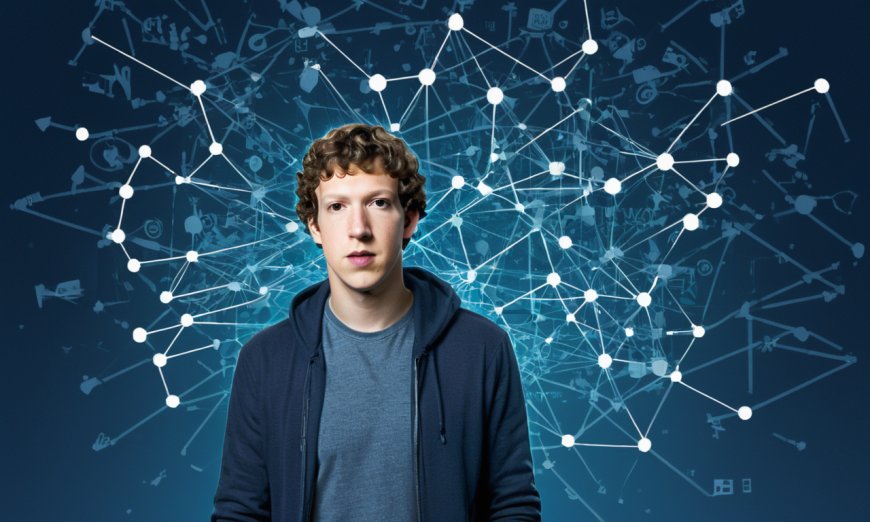


Let’s break down the film’s themes, its portrayal of tech culture, and what it reveals about the high-stakes world of Silicon Valley.
1. The Race for Innovation: Speed Over Ethics
One of the most striking aspects of The Social Network is its depiction of the relentless drive for innovation. Zuckerberg’s creation of Facebook, sparked by a mixture of genius, competitiveness, and personal grievances, highlights the tech world’s “move fast and break things” mentality. In Silicon Valley, the race to outpace competitors often eclipses concerns about ethics, transparency, or long-term consequences.
The film illustrates this through Zuckerberg’s interactions with the Winklevoss twins, who claim he stole their idea for a Harvard-exclusive social network. Whether or not Zuckerberg’s actions constitute outright theft, the movie portrays a tech culture where ideas are currency, and speed is the key to dominance. This mirrors real-world cases in Silicon Valley, where startups battle over intellectual property and rush to be the first to market.
2. The Cost of Success: Relationships and Betrayals
At its heart, The Social Network is a story of relationships unraveling under the weight of ambition. Eduardo Saverin, Zuckerberg’s co-founder and initial financier, is gradually sidelined and ultimately betrayed as Facebook grows. Their deteriorating friendship highlights the personal cost of building an empire in an environment where success often demands ruthless decisions.
This theme is not unique to Facebook but reflective of broader Silicon Valley dynamics. Stories of friendships and partnerships falling apart over equity splits, power struggles, and conflicting visions are common in the tech world. The Social Network exposes the emotional toll of these conflicts, reminding viewers that behind every billion-dollar valuation are human lives and fractured relationships.
3. The Machiavellian Mentor: Sean Parker’s Influence
The arrival of Sean Parker (played by Justin Timberlake), the co-founder of Napster, marks a turning point in Facebook’s trajectory. Parker’s charismatic yet manipulative personality embodies the darker side of Silicon Valley, where visionaries often blend brilliance with opportunism. He introduces Zuckerberg to the high-stakes world of venture capital, scaling Facebook into a global phenomenon but also fostering a culture of excess and distrust.
Parker’s portrayal raises questions about mentorship in Silicon Valley:
- Do tech leaders often prioritize growth over stability?
- How much of success is built on calculated risk versus reckless ambition?
By showing Parker’s influence on Zuckerberg, the film underscores how the tech world’s rapid ascent often comes with moral compromises.
4. Silicon Valley’s Culture of Exclusion
The Social Network also critiques the exclusivity that pervades both elite academic institutions and the tech industry. Zuckerberg’s initial idea for Facebook as a Harvard-only platform reflects a desire to capitalize on exclusivity as a status symbol. This ethos extends to Silicon Valley, where access to funding, networks, and resources often hinges on being part of an “in-group.”
The film subtly exposes how this culture of exclusion creates barriers for those outside privileged circles. While Zuckerberg eventually rises above his outsider status, the narrative highlights the challenges of breaking into tech’s tightly knit power structures. This critique resonates today as Silicon Valley continues to grapple with diversity and inclusion issues.
5. Reputation and the Public Image of Tech Leaders
The Social Network doesn’t shy away from portraying Zuckerberg as an ambitious, socially awkward, and morally ambiguous figure. This portrayal raises broader questions about how tech leaders are perceived:
- Are they visionaries or opportunists?
- Do they prioritize societal impact or personal success?
In real life, tech leaders like Zuckerberg, Elon Musk, and Jeff Bezos often straddle the line between admiration and criticism, celebrated for their innovations but scrutinized for their methods. The film exposes the duality of this image, reminding viewers that behind every tech giant is a complex, flawed individual.
6. What the Film Gets Right (and Wrong) About Silicon Valley
While The Social Network offers a compelling dramatization of Facebook’s origins, it also takes liberties for narrative effect. For example:
- Right: The depiction of cutthroat ambition and the interpersonal conflicts behind Facebook’s rise reflects the high-pressure environment of Silicon Valley.
- Wrong: The film simplifies certain events and character motivations, exaggerating conflicts for dramatic impact. Zuckerberg has publicly criticized the film for being inaccurate, particularly in its portrayal of his motivations.
Despite these embellishments, the film captures the essence of Silicon Valley’s culture: a world driven by innovation, competition, and the pursuit of success at any cost.
Interesting Fact
Did you know that Aaron Sorkin, the screenwriter of The Social Network, wrote much of the film without consulting Zuckerberg directly? Instead, he based the screenplay on Ben Mezrich’s book The Accidental Billionaires, which itself was criticized for sensationalizing the story.
Conclusion
The Social Network may not be a documentary, but it shines a spotlight on the underbelly of Silicon Valley: the ethical compromises, strained relationships, and relentless drive for dominance that often define the tech industry. While it dramatizes certain events, the film’s core message about the human cost of ambition and the complexities of success remains strikingly relevant.
By exploring the thin line between genius and opportunism, The Social Network offers a timeless commentary on the culture of innovation. Whether or not it exposes the “secrets” of Silicon Valley, it captures the essence of a world where ideas are currency, and success often comes at a personal cost.