

The Real Story Behind Joker: Exploring the Thin Line Between Villain and Victim
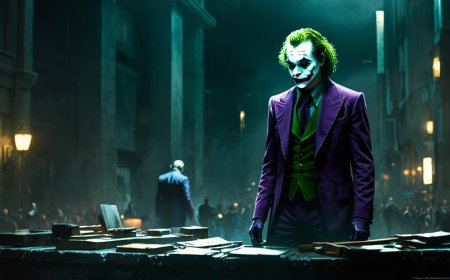
Todd Phillips’ Joker is more than a dark origin story of Gotham’s most infamous villain. It’s a haunting character study that delves into the psyche of Arthur Fleck, a struggling comedian whose descent into madness is shaped by a combination of societal neglect, personal trauma, and his search for identity. Joaquin Phoenix’s Oscar-winning portrayal of the Joker adds a chilling layer of complexity, forcing audiences to question whether he is a villain born of chaos or a victim of circumstance.
 Sly Puzzle Games
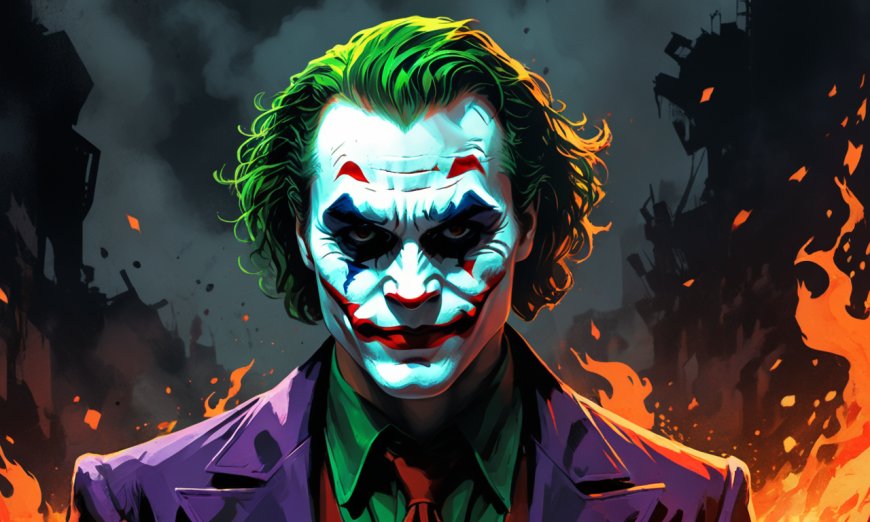


Let’s explore the themes and deeper messages behind Joker to understand how it blurs the line between villain and victim, leaving audiences with a mix of empathy and unease.
1. Arthur Fleck: The Tragic Victim of Society
At its core, Joker is a commentary on societal neglect and the stigma surrounding mental health. Arthur Fleck is a man marginalized by society, abandoned by a broken healthcare system, and ridiculed for his condition. His uncontrollable bouts of laughter, caused by a neurological disorder, make him an outcast in a world that offers little understanding or compassion.
The film critiques how society treats its most vulnerable, showing how neglect and cruelty can push someone to the edge. Arthur’s transformation into the Joker isn’t portrayed as a sudden choice but as the culmination of years of rejection and suffering. This nuanced portrayal forces viewers to confront the uncomfortable question: Is Arthur a villain, or is he the product of a society that failed him?
2. The Role of Mental Health in Arthur’s Transformation
Arthur’s mental health struggles are a central theme in Joker. His descent into madness is exacerbated by the lack of access to care, demonstrated when his therapy sessions and medication are abruptly cut off due to funding cuts. This abandonment leaves Arthur vulnerable to his darker impulses, with devastating consequences.
By highlighting Arthur’s deteriorating mental state, Joker shines a light on the real-world consequences of neglecting mental health care. The film doesn’t excuse his violent actions but shows how untreated mental illness can spiral into chaos. It challenges viewers to consider how society’s apathy toward mental health contributes to the creation of individuals like the Joker.
3. Societal Alienation and the Seeds of Chaos
Gotham City in Joker serves as a microcosm of societal decay, where inequality, corruption, and alienation have reached their peak. Arthur is repeatedly rejected and humiliated, from his boss dismissing his concerns to strangers mocking him for his condition. These moments of alienation contribute to his transformation, turning him into a symbol of rebellion for the disenfranchised.
The film explores how societal neglect and inequality can breed chaos, suggesting that villains like the Joker don’t emerge in isolation — they are shaped by the world around them. Arthur’s rise as a chaotic antihero mirrors the frustrations of Gotham’s downtrodden, turning him into a figurehead for their rebellion, even if his intentions are deeply personal.
4. The Unreliable Narrator: Reality vs. Delusion
One of Joker’s most compelling aspects is its ambiguity, particularly surrounding Arthur’s perception of reality. Throughout the film, Arthur’s delusions blend seamlessly with reality, leaving viewers questioning which events are real and which are fabrications of his mind. From his imagined relationship with Sophie to his distorted memories of his childhood, the film suggests that Arthur’s reality is as fractured as his psyche.
This unreliable narration mirrors the Joker’s character in the comics, where his backstory is often inconsistent and contradictory. By leaving parts of Arthur’s story open to interpretation, Joker invites viewers to piece together their own understanding of his transformation, emphasizing the complexity of his character.
5. The Duality of Villain and Victim
Arthur’s transformation into the Joker is both horrifying and tragic. On one hand, he commits heinous acts of violence that cannot be justified. On the other, his actions stem from a lifetime of suffering and rejection. This duality blurs the line between villain and victim, making Arthur both a perpetrator of chaos and a product of it.
The film challenges viewers to grapple with this complexity, refusing to offer easy answers. Arthur’s story becomes a reflection of the human condition, showing how circumstances, choices, and innate tendencies intertwine to shape an individual’s path. Joker forces us to confront the uncomfortable truth that villains are often created, not born.
6. Symbolism and Social Commentary
From Arthur’s clown makeup to the riots in Gotham’s streets, Joker is filled with symbolism. The clown, traditionally a figure of laughter and joy, becomes a symbol of chaos and rebellion. Arthur’s transformation into the Joker represents the collapse of societal norms, where despair turns into defiance.
The film’s social commentary extends to issues like wealth inequality, the power of media, and the consequences of ignoring marginalized voices. Gotham’s unrest mirrors real-world frustrations, making the film feel uncomfortably relevant. By placing Arthur at the center of this chaos, Joker highlights the interconnectedness of personal struggles and societal decay.
Interesting Fact
Did you know that Joaquin Phoenix lost over 50 pounds to play Arthur Fleck, immersing himself in the character’s physical and emotional deterioration? His dedication to the role brought an unsettling authenticity to Arthur’s transformation.
Conclusion
Joker is more than a villain’s origin story — it’s a deeply unsettling exploration of human vulnerability, societal failure, and the thin line between villain and victim. Arthur Fleck’s descent into madness forces viewers to confront uncomfortable truths about the impact of neglect, the importance of mental health care, and the consequences of a broken system.
By blurring the line between sympathy and horror, Joker challenges traditional notions of heroism and villainy, offering a nuanced portrayal of a character who is as much a product of his environment as he is a force of chaos. The film’s haunting themes and powerful performance by Joaquin Phoenix ensure its place as a thought-provoking masterpiece that lingers long after the credits roll.