

Hidden Messages in Now You See Me: A Glimpse into Real Secret Societies?
Now You See Me dazzled audiences with its clever tricks, charismatic characters, and mind-bending illusions. But beyond the magic and heists lies a world of hidden messages, symbols, and subtle hints at secret societies. As the Four Horsemen pull off elaborate feats, they are guided by “The Eye,” a mysterious organization shrouded in secrecy and mystique. The concept of The Eye has led fans to wonder: is there more to Now You See Me than entertainment? Could the film be offering a glimpse into real secret societies and the influence they hold?
 Sly Puzzle Games
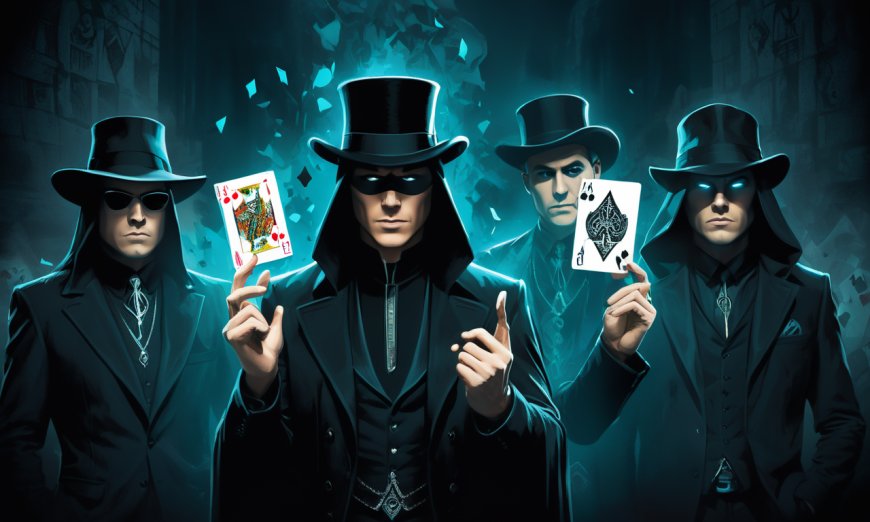


Let’s explore the hidden messages in Now You See Me, the symbolism behind The Eye, and the parallels to real-life secret societies.
1. The Eye: An All-Seeing Power
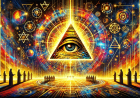
In Now You See Me, the Four Horsemen are guided by The Eye, a secret society that rewards them for their skills in illusion and heists. The Eye is depicted as an ancient organization that observes and influences events behind the scenes, choosing who gains access based on their mastery of illusion. This concept of an “all-seeing eye” is a recurring theme in both popular culture and real-world conspiracy theories, often associated with secret societies like the Freemasons or the Illuminati.
The symbol of The Eye resonates with those who believe in hidden powers that influence global events. The filmmakers play on this intrigue, using The Eye as a metaphor for the hidden hands of power, surveillance, and control. It suggests a world where secrets are currency and only the chosen few know the truth behind the scenes.
2. The Power of Illusion and Deception as Tools of Control
One of the film’s central themes is the power of illusion and how deception can be used to influence perception. The Four Horsemen’s illusions manipulate crowds, distract law enforcement, and conceal their true intentions. These scenes demonstrate how easily people can be misled by spectacle and sleight of hand, a concept that resonates with conspiracy theories about media control and propaganda.
Now You See Me raises questions about the nature of reality and perception, subtly suggesting that those in power may use illusion to shape public opinion and distract from the truth. This theme reflects real-world concerns about misinformation and the role of powerful institutions in controlling narratives. The film uses magic and illusion as a metaphor for the ways in which society may be manipulated, encouraging viewers to question what they see and remain skeptical of appearances.
3. The Four Horsemen and Their Symbolic Roles
The Four Horsemen — J. Daniel Atlas, Merritt McKinney, Henley Reeves, and Jack Wilder — each bring unique skills to their performances, embodying roles that go beyond mere entertainment. They represent archetypes of power, influence, charisma, and deception, talents often associated with those who hold sway over society. Their names and roles evoke imagery of the Four Horsemen of the Apocalypse, hinting at a deeper meaning behind their actions and the havoc they unleash on institutions they deem corrupt.
By targeting financial moguls and exposing corruption, the Horsemen position themselves as agents of justice, delivering a form of moral retribution. This idea of a “chosen” group exposing corruption mirrors the mythos around secret societies, which some believe act as protectors of hidden truths or dispensers of justice. The Horsemen’s symbolic role suggests that those who understand and wield power — be it illusion or influence — have the potential to challenge the status quo.
4. The Reveal of Dylan Rhodes: Secret Society Within Law Enforcement
Dylan Rhodes, the FBI agent pursuing the Horsemen, is later revealed to be a member of The Eye, orchestrating the events from within law enforcement. His dual role as both pursuer and protector of the Horsemen reflects the idea that secret societies can infiltrate authoritative institutions. Dylan’s involvement with The Eye challenges the audience’s perception of authority, showing that the very institutions meant to protect society can be influenced by hidden powers.
This revelation mirrors real-world suspicions that members of secret societies hold influential positions in government, law enforcement, and other institutions. Dylan’s role serves as a reminder that power structures are often layered and complex, and those who appear to uphold the law may have loyalties to hidden agendas. The film uses his character to suggest that secrets may lie at the heart of even the most trusted institutions, urging viewers to consider the possibility of hidden alliances.
5. The Final Test of Loyalty: Initiation into a Secret World
The film concludes with the Four Horsemen being initiated into The Eye, signifying their acceptance into a world of secrets and hidden knowledge. This initiation mirrors real-life secret societies, many of which require initiation rituals to prove loyalty, commitment, and discretion. The initiation is an acknowledgment of the Horsemen’s dedication to the art of illusion, but it also serves as an entrance into a society where knowledge is power.
This scene reflects the allure and exclusivity of secret societies, where only the worthy gain access to hidden truths. It raises questions about what it means to “belong” to a society based on secrecy and the moral implications of joining an organization that operates behind the scenes. By showing the Horsemen’s initiation, Now You See Me taps into the fascination with secret knowledge and the desire to be part of something powerful and mysterious.
6. The Illusion of Justice: Balancing Power and Morality
Throughout Now You See Me, the Four Horsemen act as vigilantes, targeting corrupt figures in acts of public spectacle. However, their acts of justice are driven by illusion and deception, raising questions about the morality of their actions. Are they heroes, or are they simply using their powers for personal gain and recognition?
This moral ambiguity reflects the ethical dilemmas surrounding real-world secret societies. Some view such organizations as protectors of truth, while others see them as self-serving groups that prioritize their own agendas. The film’s portrayal of justice as a blend of showmanship and manipulation encourages viewers to question whether justice delivered through deception can truly be just, suggesting that the lines between good and evil are often blurred when power is involved.
Interesting Fact
Did you know that the magicians and heists in Now You See Me were influenced by real-life illusionists and magicians? The filmmakers consulted professional magicians to ensure the authenticity of the tricks and illusions portrayed in the film, adding to its sense of realism.
Conclusion
Now You See Me is more than a film about magic and heists; it’s a story filled with layers of mystery, manipulation, and subtle nods to secret societies. Through its depiction of The Eye, the power of illusion, and the intricate alliances among characters, the film hints at the influence of hidden powers in society. By using magic as a metaphor for deception and control, Now You See Me encourages viewers to look beyond the surface and question the structures and motives of those who hold influence.
The film’s exploration of hidden messages and secret societies taps into a deep-seated fascination with the unseen powers that shape our world. Through the Four Horsemen and their journey into The Eye, Now You See Me suggests that knowledge, influence, and secrecy often go hand in hand, leaving audiences to wonder about the true nature of power and the possibility of real-life secret societies operating behind the scenes.