

Oblivion: The Hidden Messages in a Post-Apocalyptic World
Joseph Kosinski’s Oblivion, starring Tom Cruise, is a visually stunning sci-fi tale set in a post-apocalyptic Earth ravaged by war with an alien force. The story follows Jack Harper, a drone repairman whose seemingly routine life takes a turn when he discovers unsettling truths about his mission, his identity, and the world he thought he knew. Beneath its sleek visuals and action-packed sequences, Oblivion is layered with deeper themes, hidden messages, and questions about humanity, memory, and survival.
 Sly Puzzle Games
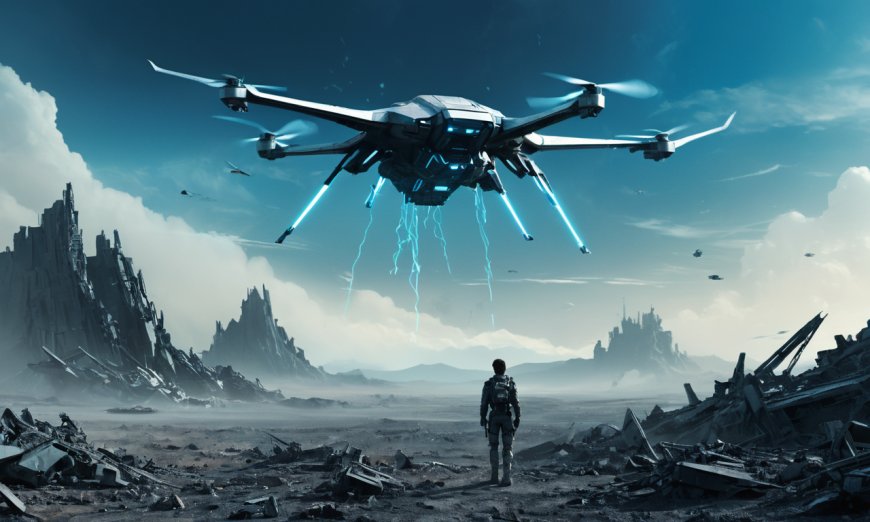


Let’s explore the symbolic depths and hidden messages within Oblivion to uncover what this post-apocalyptic narrative reveals about our world and ourselves.
1. The Fragility of Memory and Identity
A central theme in Oblivion is Jack’s fragmented memory and the idea that identity is tied to memory. Jack’s recurring dreams and moments of déjà vu suggest that his past self — long erased and replaced by the alien entity — is still a part of him. This struggle between memory and programming raises profound questions:
- Are we defined by our memories, or is identity something deeper?
- Can fragments of truth persist even when everything else is manipulated?
Jack’s journey reflects humanity’s search for authenticity in a world increasingly shaped by external influences. Oblivion suggests that memory, while fragile, is a powerful force capable of reconnecting us to our true selves, even in the face of overwhelming deception.
2. Technology as Both Savior and Oppressor
The towering Tet, an alien AI masquerading as humanity’s savior, serves as a chilling metaphor for the double-edged nature of technology. While the drones and other tech appear to protect Jack and maintain order, they are actually tools of domination and destruction. The film critiques blind reliance on technology, highlighting how it can be weaponized to control rather than empower.
This theme resonates in today’s world, where advancements in AI and automation often spark debates about surveillance, autonomy, and ethical use. Oblivion warns that without critical oversight, the tools we create to advance society could ultimately become instruments of oppression.
3. The Dehumanization of Cloning and Artificial Creation
One of Oblivion’s most shocking revelations is that Jack and his partner, Victoria, are clones created by the Tet to carry out its agenda. This twist forces viewers to consider the ethical implications of cloning and artificial life:
- Can clones or artificially created beings have individuality and autonomy?
- What responsibilities do creators have toward their creations?
By presenting Jack as a clone who regains his humanity through memory and love, Oblivion argues that even artificially created beings possess the potential for individuality and self-awareness. The film invites viewers to question the moral boundaries of creating life and the consequences of stripping it of agency.
4. The Post-Apocalyptic Landscape as a Reflection of Humanity’s Choices
The barren, desolate Earth depicted in Oblivion is a direct result of humanity’s war with the alien invaders. This devastated landscape serves as a cautionary symbol of the consequences of war, environmental neglect, and unchecked ambition. While the story blames alien forces for the destruction, the imagery subtly critiques humanity’s role in creating a fragile and exploitable planet.
The film’s use of Earth’s ruins — a broken Statue of Liberty, an overgrown football stadium — evokes the idea that human achievements are temporary and can be undone by our own hubris. Oblivion serves as a reminder of the need to balance progress with stewardship and to avoid decisions that could irreparably harm our world.
5. Love and Connection as Forces of Resistance
Jack’s love for Julia, his wife from a forgotten past, becomes a driving force that helps him break free from the Tet’s control. Their connection transcends memory and programming, serving as a symbol of humanity’s resilience and the enduring power of love. This theme contrasts the cold, mechanical efficiency of the Tet, emphasizing that human relationships and emotions are essential to what makes us truly alive.
Oblivion portrays love as a force capable of restoring identity and purpose, even in the face of overwhelming odds. By grounding Jack’s rebellion in his emotional connection to Julia, the film underscores the importance of relationships in resisting dehumanization and reclaiming agency.
6. The Tet as a Symbol of Exploitation
The Tet is not only an alien invader but also a representation of exploitation and colonialism. By stripping Earth of its resources and using humans as disposable tools, the Tet mirrors real-world practices of resource extraction and environmental degradation. The film critiques systems of exploitation that prioritize profit and efficiency over sustainability and human dignity.
This allegory highlights the dangers of prioritizing short-term gain over long-term well-being. Oblivion challenges viewers to reflect on humanity’s role as both victim and perpetrator in cycles of exploitation, urging greater responsibility in our interactions with the planet and each other.
Interesting Fact
Did you know that Oblivion began as an unpublished graphic novel created by Joseph Kosinski? The film retains its graphic novel-inspired aesthetic, with striking visuals and a tightly woven narrative that feels like it was lifted from the pages of a comic book.
Conclusion
Oblivion is more than a visually stunning sci-fi adventure; it’s a thoughtful exploration of humanity’s relationship with technology, identity, and the environment. Through its layered narrative and rich symbolism, the film critiques blind reliance on technology, warns against exploitation, and celebrates the enduring power of love and memory.
By uncovering the hidden truths of his world, Jack Harper’s journey becomes a metaphor for humanity’s struggle to reclaim authenticity and purpose in a world dominated by external forces. Oblivion invites viewers to reflect on the choices that shape our future and to consider how we can preserve what makes us truly human.