

Uncovering the Hidden Messages in Ready Player One: A Warning About VR?
Steven Spielberg’s Ready Player One is a visually dazzling adventure set in a dystopian future where society escapes its harsh reality through the OASIS, a sprawling virtual reality (VR) universe. Adapted from Ernest Cline’s novel, the film is packed with nostalgic pop culture references and thrilling action sequences. However, beneath its energetic surface lies a deeper commentary on the role of technology, the allure of escapism, and the potential dangers of virtual reality.
 Sly Puzzle Games
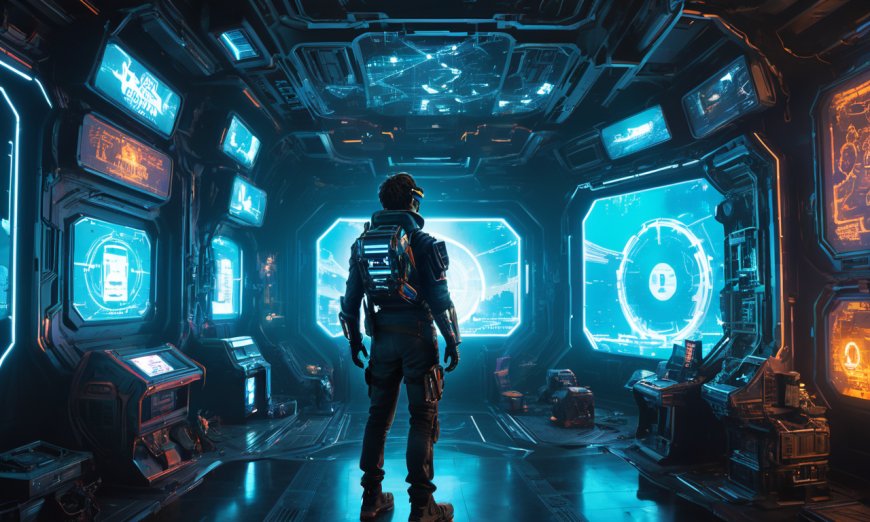


Does Ready Player One offer a cautionary tale about our growing dependence on VR, or is it merely an entertaining dive into a tech-driven utopia? Let’s uncover the hidden messages behind the film and its implications for our real-world relationship with virtual spaces.
1. The OASIS: Escape or Entrapment?
At its core, the OASIS is a virtual playground where people can be whoever they want, free from the constraints of the real world. For Wade Watts (Parzival) and countless others, it offers an escape from the dystopian reality of 2045, marked by poverty, environmental decay, and social inequality. While the OASIS provides freedom and opportunity, it also becomes a trap, encouraging users to abandon real-world responsibilities in favor of virtual fantasies.
This duality reflects current debates about VR and digital spaces:
- Pro: Virtual worlds can be liberating, offering opportunities for creativity, connection, and exploration.
- Con: Overreliance on VR can lead to disconnection from reality, fostering apathy toward real-world issues.
Ready Player One warns that while VR has immense potential, it can also distract from addressing systemic problems in the physical world.
2. The Corporate Threat: IOI and the Monetization of VR
The film’s antagonist, the IOI corporation, represents the dangers of monopolizing technology for profit. IOI seeks to control the OASIS to exploit its users through advertisements and microtransactions, a scenario that feels eerily familiar in today’s tech landscape. Companies vying for dominance in virtual spaces already face criticism for prioritizing profit over user experience and privacy.
This theme highlights the risks of:
- Corporate Overreach: Allowing a single entity to control a virtual world could stifle creativity and create exploitative systems.
- Loss of Freedom: The commercialization of VR might turn these spaces into environments where users are constantly monetized.
By presenting IOI’s greed as the ultimate threat, Ready Player One urges vigilance against corporate control over digital spaces.
3. Identity in Virtual Worlds: The Masks We Wear
In the OASIS, avatars are a reflection of the user’s imagination, allowing people to create identities free from real-world limitations. However, this freedom also raises questions about authenticity. Wade’s avatar, Parzival, is confident and heroic, a stark contrast to his shy and vulnerable real-world self. Similarly, Art3mis hides behind her avatar to mask her insecurities.
The film explores the balance between virtual identity and reality:
- Positive: VR can empower individuals to express themselves in ways they might not in the real world.
- Negative: Relying too heavily on virtual personas can lead to a loss of authenticity and self-awareness.
By encouraging its characters to embrace their real-world selves, Ready Player One emphasizes the importance of maintaining a connection to reality, even in virtual spaces.
4. The Nostalgia Trap: Escaping the Present Through the Past
The OASIS is filled with nostalgic references to 1980s pop culture, from The Iron Giant to Back to the Future. While this nostalgia fuels much of the film’s charm, it also serves as a critique of escapism. The characters are so immersed in the past that they lose sight of the present, mirroring how nostalgia-driven entertainment can sometimes hinder innovation and engagement with current issues.
The film suggests that while nostalgia can be comforting, it’s important not to let it overshadow the need to create a better future. The OASIS becomes a metaphor for humanity’s tendency to look backward rather than addressing the challenges of today.
5. The Real World vs. The Virtual World: A Call for Balance
At the heart of Ready Player One is the tension between the real and virtual worlds. Wade’s journey isn’t just about winning the contest and gaining control of the OASIS; it’s about rediscovering the value of reality. The film ends with Wade and Samantha (Art3mis) choosing to shut down the OASIS for two days each week, encouraging people to reconnect with the physical world.
This message is particularly relevant as VR technology becomes increasingly immersive:
- Balance: The film advocates for a balance between enjoying virtual experiences and staying grounded in reality.
- Warning: A complete escape into virtual worlds risks neglecting the relationships, challenges, and opportunities that exist in real life.
Spielberg’s conclusion is clear: while VR offers incredible possibilities, it should complement rather than replace reality.
6. The Power of Community in Digital Spaces
Despite its warnings, Ready Player One also celebrates the potential of virtual worlds to foster connection and community. Wade’s collaboration with other “Gunters” (Easter egg hunters) showcases how shared goals can bring people together, even in a fractured society. The OASIS, for all its flaws, becomes a space where creativity, teamwork, and friendship thrive.
This optimistic view of digital spaces reflects the potential for VR to create inclusive and collaborative environments, provided they are managed ethically and equitably.
Interesting Fact
Did you know that Steven Spielberg deliberately minimized references to his own films in Ready Player One, despite his significant influence on 1980s pop culture? He wanted to avoid turning the movie into a self-congratulatory tribute, focusing instead on the broader cultural landscape.
Conclusion
Ready Player One is both a celebration of VR’s potential and a cautionary tale about its dangers. Through its portrayal of the OASIS, the film highlights the allure of virtual worlds while warning against losing touch with reality. It critiques corporate greed, emphasizes the importance of authenticity, and urges viewers to find balance between technology and the physical world.
In an era where VR technology is becoming increasingly advanced, Ready Player One offers a timely reminder: while virtual spaces can inspire creativity and connection, the real world is where our greatest challenges — and opportunities — lie.