

The Impact of Deforestation on Global Biodiversity
Explore how deforestation affects species diversity, ecosystems, and climate change, and discuss potential solutions for mitigating these impacts.
 Sly Puzzle Games
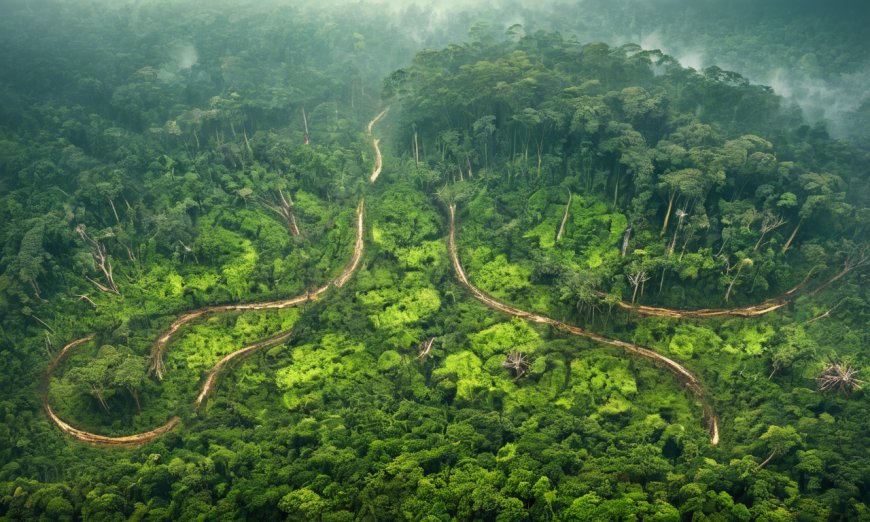


Deforestation, the large-scale removal of forests for agriculture, logging, and urban development, is one of the most significant environmental challenges of our time. Forests cover about 31% of the Earth's land area and are home to 80% of the world's terrestrial species. The destruction of these vital ecosystems has profound effects on global biodiversity, ecosystem health, and climate stability. In this article, we will explore the impacts of deforestation on biodiversity, the cascading effects on ecosystems and climate, and potential solutions to mitigate these adverse consequences.
Deforestation and Biodiversity Loss
- Habitat Destruction
Forests are among the most biodiverse ecosystems on the planet, providing habitat for a vast array of species. When forests are cleared, the complex web of life they support is disrupted. Species that are specialized to live in forest habitats, such as certain plants, insects, birds, and mammals, lose their homes and food sources. This often leads to population declines and, in some cases, extinction.
For example, the Amazon Rainforest, often referred to as the "lungs of the Earth," is home to roughly 10% of the world's known species. However, deforestation in the Amazon has led to the loss of vast areas of habitat, threatening the survival of many species, including iconic animals like the jaguar, the harpy eagle, and countless plant species.
- Fragmentation of Ecosystems
Deforestation often results in fragmented landscapes where large, continuous forests are broken into smaller, isolated patches. This fragmentation makes it difficult for species to migrate, find mates, and access resources. It also increases their vulnerability to predators and environmental changes. For instance, large mammals like tigers and elephants require extensive territories to thrive, and forest fragmentation severely impacts their populations.
- Loss of Genetic Diversity
As species populations decline due to habitat loss, their genetic diversity also diminishes. Genetic diversity is crucial for species' adaptability to changing environments and for their long-term survival. Reduced genetic diversity makes species more susceptible to diseases, environmental changes, and other threats, increasing their risk of extinction.
Impact on Ecosystems and Climate
- Disruption of Ecosystem Services
Forests provide essential ecosystem services that support life on Earth. These include regulating the water cycle, preventing soil erosion, maintaining soil fertility, and supporting pollinators. When forests are cleared, these services are disrupted, leading to degraded landscapes, loss of fertile soil, and reduced agricultural productivity.
For example, deforestation in the Himalayas has led to increased soil erosion, resulting in more frequent landslides and loss of fertile topsoil, which impacts both local communities and downstream ecosystems.
- Climate Change
Forests play a crucial role in regulating the Earth's climate by absorbing carbon dioxide (CO2) from the atmosphere. When forests are destroyed, not only is this carbon sink lost, but the carbon stored in the trees is released back into the atmosphere, contributing to global warming.
The burning of forests, a common practice in clearing land for agriculture, releases large amounts of CO2, further exacerbating climate change. Deforestation is responsible for approximately 10% of global greenhouse gas emissions, making it a significant driver of climate change.
- Impact on Local and Indigenous Communities
Deforestation also affects the livelihoods and cultural practices of local and Indigenous communities who rely on forests for food, medicine, shelter, and spiritual practices. The loss of forests can lead to the displacement of these communities, loss of traditional knowledge, and increased poverty.
Solutions to Mitigate Deforestation and Its Impacts
- Sustainable Forestry Practices
Implementing sustainable forestry practices is essential to reduce the impact of logging on forests. This includes selective logging, which involves harvesting trees in a way that minimizes damage to the surrounding ecosystem, and ensuring that reforestation efforts are in place to replace what is cut down.
- Agroforestry and Sustainable Agriculture
Agroforestry, the practice of integrating trees into agricultural landscapes, can help reduce the pressure on forests by providing farmers with alternative sources of income, such as fruits, nuts, and timber, while also maintaining biodiversity and improving soil health.
Additionally, promoting sustainable agricultural practices that do not require large-scale land clearing, such as no-till farming, crop rotation, and organic farming, can help reduce the need for deforestation.
- Protected Areas and Conservation Efforts
Establishing protected areas and wildlife reserves is crucial for conserving biodiversity and safeguarding critical habitats. These areas can serve as refuges for threatened species and help maintain ecological processes. Effective enforcement of conservation laws and policies is necessary to ensure that these areas are not encroached upon.
- Reforestation and Afforestation
Reforestation (replanting trees in deforested areas) and afforestation (planting trees in areas that were not previously forested) are essential strategies for restoring degraded lands and increasing forest cover. These efforts can help sequester carbon, restore ecosystems, and provide habitat for wildlife.
- International Cooperation and Policy
Global cooperation is needed to address deforestation, especially in developing countries where economic pressures drive land clearing. International agreements, such as the Paris Agreement and the United Nations' REDD+ program (Reducing Emissions from Deforestation and Forest Degradation), aim to provide financial incentives to countries that reduce deforestation and invest in sustainable land management.
A Little Fun Fact
Oh, and by the way, did you know that some countries, like Costa Rica, have reversed deforestation trends through concerted efforts in conservation, reforestation, and eco-tourism? Costa Rica has doubled its forest cover since the 1980s, showcasing a successful model for sustainable development.
Conclusion
Deforestation poses a grave threat to global biodiversity, ecosystems, and the climate. The loss of forests not only endangers countless species but also disrupts vital ecological processes that support life on Earth. However, through sustainable practices, conservation efforts, and international cooperation, we can mitigate the impacts of deforestation and work toward a more sustainable future.
And if you love solving environmental mysteries and exploring the wonders of nature, don’t forget to check out our word puzzle game, Sly Puzzle Games. It's a great way to keep your brain sharp and entertained. Happy exploring!