

The Hidden Depths of Silence of the Lambs: How Dark Is This Psychological Thriller?
Jonathan Demme’s The Silence of the Lambs has become a landmark in psychological thriller cinema. Not only does it deliver suspense and horror through its unforgettable characters, Hannibal Lecter and Clarice Starling, but it also dives into unsettling themes of manipulation, identity, and trauma. While The Silence of the Lambs is known for its dark atmosphere and memorable performances, the film’s underlying themes add layers of complexity, making it more than just a thriller — it’s a disturbing exploration of the human psyche.
 Sly Puzzle Games
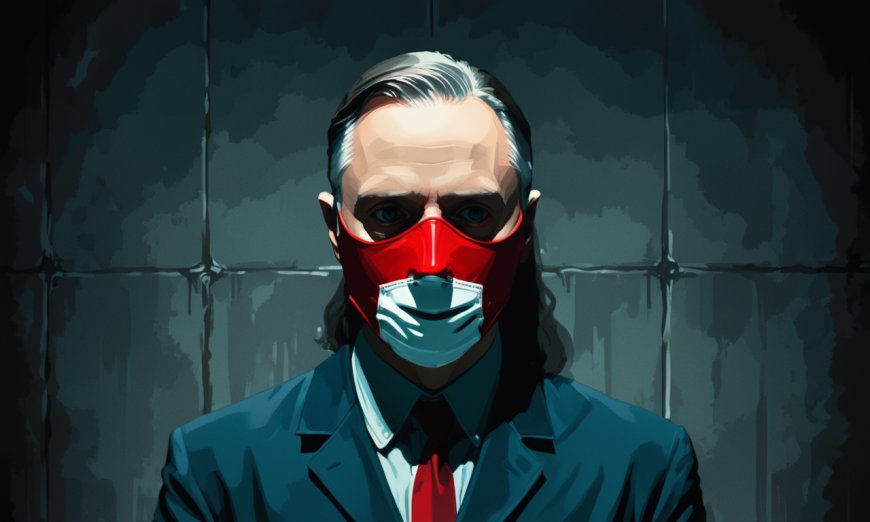


Let’s explore the hidden depths of Silence of the Lambs and examine the dark psychological elements that make this film a timeless yet chilling masterpiece.
1. The Complex Relationship Between Clarice Starling and Hannibal Lecter
At the heart of The Silence of the Lambs is the complex, twisted relationship between Clarice Starling, a young FBI trainee, and Dr. Hannibal Lecter, an imprisoned cannibalistic psychiatrist. Lecter, though imprisoned, holds psychological power over Clarice, using his knowledge to probe her insecurities and fears. This dynamic reflects a disturbing manipulation, where Lecter seeks to influence and control, even from behind bars.
Their relationship explores the concept of psychological manipulation, revealing how Lecter taps into Clarice’s deepest fears and vulnerabilities, challenging her in ways no other character does. The bond they share is fraught with danger and fascination, demonstrating how the lines between predator and prey can blur when psychological control is involved. The film suggests that true horror may lie not in physical violence but in the manipulation of the mind.
2. Identity and Trauma: Clarice’s Haunted Past
Clarice’s traumatic past — her memory of hearing lambs screaming as a child — is a powerful symbol in the film. This memory, which Lecter probes throughout their interactions, represents the emotional scars she carries and the vulnerability she tries to hide. Clarice’s pursuit of justice for the women abducted by Buffalo Bill becomes a metaphor for her own search for peace and resolution.
The film uses Clarice’s trauma as a way to explore how unresolved memories shape identity and motivation. Her mission to save Buffalo Bill’s victims becomes a symbolic way of “silencing the lambs,” hoping that by helping others, she can quiet her own painful memories. This theme of trauma and redemption adds depth to Clarice’s character, making her both strong and profoundly human.
3. Hannibal Lecter as a Reflection of the Human Dark Side
Hannibal Lecter is more than just a villain; he is an embodiment of the darkest aspects of the human psyche. A brilliant psychiatrist and cold-blooded killer, Lecter uses his intellect to manipulate, intimidate, and harm others. Yet his fascination with Clarice and his calm demeanor make him an enigma — a character both terrifying and compelling.
Lecter represents the unsettling idea that evil can exist within intelligence and civility, challenging the audience’s perception of morality. His ability to rationalize his actions and engage in philosophical musings blurs the line between monster and man. Through Lecter, The Silence of the Lambs suggests that the darkest aspects of humanity are not as foreign as we might hope, and that understanding the human mind may require confronting its darkest impulses.
4. Buffalo Bill: Exploring Themes of Identity and Transformation
Buffalo Bill, the film’s secondary antagonist, is driven by a disturbing desire to transform himself, using his victims’ skin to create a “suit” that represents the identity he wishes to adopt. His actions are horrific, yet they speak to a twisted form of self-reinvention and dissatisfaction with his own identity. This theme reflects the dangers of a society that often ostracizes those who feel they do not belong.
Buffalo Bill’s fixation on transformation and identity highlights a dark aspect of human psychology — the lengths to which people may go when they feel isolated, alienated, or disconnected from themselves. His story adds another layer to the film’s exploration of identity, contrasting with Clarice’s journey of self-discovery and showing how trauma and rejection can manifest in disturbing and violent ways.
5. The Film’s Use of Psychological Horror Over Physical Gore
The Silence of the Lambs is filled with chilling moments, yet it relies less on physical gore and more on psychological horror to unsettle viewers. The fear comes from the mind games between characters, the power of silence, and the tension in their exchanges. The film creates suspense through suggestion and implication, allowing audiences to feel the horror without witnessing excessive violence.
This approach to horror reflects the depth of psychological terror, where the unknown and the unseen are often more frightening than explicit imagery. By focusing on the characters’ minds rather than overt gore, The Silence of the Lambs invites viewers to confront their own fears and anxieties, making the horror feel deeply personal and hauntingly intimate.
6. Moral Ambiguity and the Ethical Dilemma of Using Evil to Fight Evil
One of the film’s central moral questions is the ethical dilemma of using someone as dangerous as Lecter to capture Buffalo Bill. The FBI is willing to seek Lecter’s help despite knowing he is a ruthless killer, which reflects the unsettling notion that sometimes society turns to dark means to achieve a greater good. This moral ambiguity adds complexity to the narrative, suggesting that justice is not always clear-cut.
The film’s exploration of moral ambiguity challenges viewers to consider the ethical costs of pursuing justice. By allying with Lecter, Clarice and the FBI are willing to risk empowering a monster, revealing the dangerous balancing act between right and wrong. The Silence of the Lambs presents a world where morality is not black and white, reminding us that darkness can exist even within the pursuit of justice.
Interesting Fact
Did you know that Anthony Hopkins was on screen for only 16 minutes in The Silence of the Lambs? Despite this short screen time, his portrayal of Hannibal Lecter was so intense and memorable that he won the Academy Award for Best Actor, cementing Lecter as one of cinema’s most iconic villains.
Conclusion
The Silence of the Lambs is more than a psychological thriller; it’s a dark exploration of human nature, trauma, and the complexities of morality. Through the interactions between Clarice and Lecter, the disturbing character of Buffalo Bill, and its themes of identity and control, the film delves into the hidden depths of the human psyche. By blending horror with psychological insight, The Silence of the Lambs creates a chilling narrative that challenges viewers to confront their own understanding of evil and morality.
The film’s subtle approach to horror, focusing on psychological manipulation and moral dilemmas, invites viewers to reflect on the darker aspects of humanity. The Silence of the Lambs remains a powerful reminder that the most terrifying horrors often lie within the mind, making it a timeless and disturbing masterpiece.