

What’s The Purge Really Trying to Say About Society?
The Purge franchise, created by James DeMonaco, explores a dystopian world where the U.S. government sanctions an annual event: for twelve hours, all crime, including murder, is legal. This premise quickly became a cultural phenomenon, sparking debates about its commentary on society, power, and morality. Beyond its thriller and horror elements, The Purge serves as a dark social allegory, revealing hidden truths about inequality, systemic violence, and the lengths some may go to protect their status. Through its chilling portrayal of a society where chaos is endorsed, The Purge invites viewers to question what this brutal world says about our own.
 Sly Puzzle Games
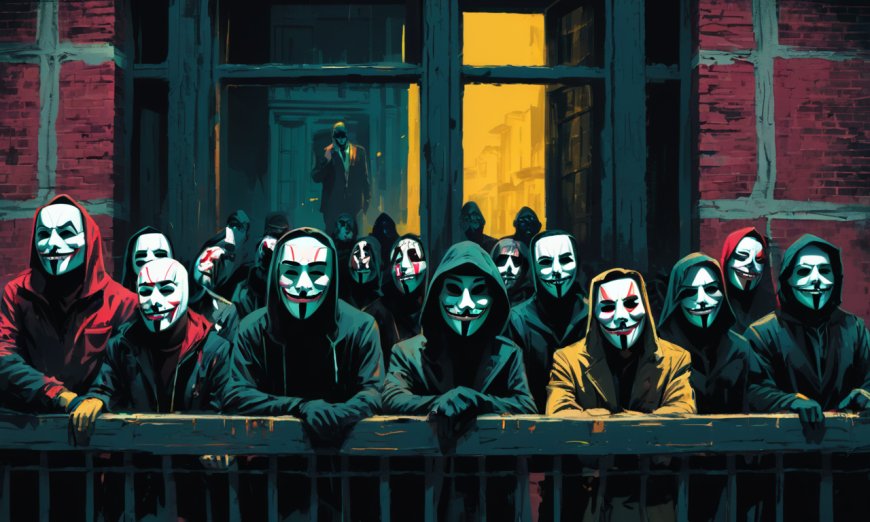


Let’s delve into the deeper meanings and social critiques within The Purge and uncover the unsettling truths it exposes about contemporary society.
1. Economic Inequality and Class Division
One of the most prominent themes in The Purge is its portrayal of economic inequality. The wealthy are able to afford high-tech security systems, expensive weapons, and fortified homes to protect themselves during the Purge, while lower-income communities are left exposed and vulnerable. As a result, the poorest members of society become the primary victims of the Purge, targeted by those who seek to vent their frustrations or eliminate “undesirable” members of society.
This dynamic reflects real-world economic inequalities, where wealth often protects individuals from certain dangers while poverty leaves others exposed to risk and violence. The Purge critiques the disparities in society, suggesting that the wealthy benefit from the suffering of the poor, and that societal systems may be structured to protect privilege at the expense of others. The film’s depiction of class-based violence serves as an unsettling reminder of how economic inequality can breed cycles of harm and exploitation.
2. Systemic Oppression and the Concept of Population Control
In The Purge, the government endorses the annual event as a means to reduce crime rates and boost economic prosperity, promoting it as a “civic duty” to cleanse oneself. However, it becomes clear that the Purge is not just about controlling crime; it’s a tool for population control, targeting the marginalized and disadvantaged. By allowing violence against these groups, the government effectively reduces the population of individuals who rely on public services, suggesting a dark agenda behind the Purge.
This theme serves as a critique of policies and practices that disproportionately harm marginalized communities under the guise of public safety or economic improvement. The Purge forces viewers to consider the hidden motives behind policies that seem beneficial but disproportionately impact vulnerable populations. The film suggests that societal systems may be designed to control and suppress certain groups, using violence as a means to maintain power and order.
3. The Dehumanization of Society and the Erosion of Morality
One of the most disturbing aspects of The Purge is the way it normalizes violence and dehumanizes others. The annual event fosters a culture where people become desensitized to suffering, viewing others as obstacles rather than individuals with dignity and worth. This culture of dehumanization allows people to justify horrific acts, rationalizing violence as a form of “self-expression” or catharsis.
This theme reflects real-world issues where certain groups or individuals are dehumanized, enabling acts of violence or discrimination against them. The Purge suggests that when society begins to view people as expendable or inferior, morality erodes, and compassion becomes rare. By showing the brutal effects of dehumanization, the film warns against societal tendencies that strip people of their humanity and dignity.
4. The Role of Media and Propaganda in Shaping Belief
Throughout The Purge franchise, media and propaganda play a significant role in promoting the Purge as a beneficial, patriotic event. The government uses advertisements, public announcements, and news coverage to create a narrative that the Purge is essential for a peaceful, prosperous society. This messaging convinces people that their participation is not only acceptable but encouraged, shaping public perception and normalizing an otherwise horrifying event.
This portrayal of media manipulation reflects the ways in which real-world governments and institutions use propaganda to influence public opinion and justify controversial policies. The Purge serves as a reminder of the dangers of blindly accepting narratives promoted by those in power, urging viewers to question the motives behind the information they consume. By highlighting the role of propaganda, the film critiques the power of media to shape societal norms and suppress dissent.
5. The Psychology of Violence and Societal Desensitization
The Purge encourages people to indulge in violent behavior, suggesting that “releasing” aggression one night a year will lead to a more peaceful society. However, rather than reducing violence, the Purge promotes a culture of hostility and desensitization, where people become accustomed to harming others without remorse. This manufactured aggression reveals the psychological effects of societal endorsement of violence, as people lose their empathy and capacity for compassion.
This element of the film is a critique of the idea that violence can be a form of release or solution. By exposing the toxic consequences of embracing violence, The Purge challenges viewers to consider the impact of normalizing aggression and the potential damage it can cause. The franchise highlights the danger of becoming desensitized to violence, suggesting that a culture that celebrates harm can spiral into chaos and moral decay.
6. The “Purge” as a Mirror of Societal Injustice and Inequality
At its core, The Purge reflects a society where injustice and inequality are not only ignored but endorsed. The wealthy thrive on the Purge by eliminating competition or increasing their power, while the disenfranchised suffer. The Purge system rewards those in power and punishes those without resources, creating a vicious cycle where privilege breeds safety and poverty invites danger.
The film suggests that societal systems may prioritize the well-being of the powerful, often at the expense of those who are powerless. By exaggerating these injustices, The Purge forces viewers to confront the real-life inequalities that divide society and question whether our systems are as fair as they appear. The franchise critiques the societal structures that allow inequality to persist, warning of the dangers of a world that fails to protect its most vulnerable.
Interesting Fact
Did you know that The Purge was inspired by James DeMonaco’s personal experience with road rage? DeMonaco wanted to explore the disturbing “what if” scenario of living in a society where people act on their darkest impulses without consequence, leading to the chilling concept of the Purge.
Conclusion
The Purge is more than a thrilling horror franchise; it’s a dark social commentary on inequality, violence, and power. Through its portrayal of class division, dehumanization, and systemic oppression, the film reveals the hidden costs of a society that prioritizes privilege over equality. The Purge uses its dystopian setting to force audiences to confront uncomfortable questions about morality, justice, and the impact of societal systems on individuals’ lives.
The franchise’s haunting portrayal of a world where violence is normalized and the powerless are left to suffer challenges viewers to reflect on real-world inequalities and the ways in which society can fail its people. The Purge ultimately serves as a warning against the dangers of accepting injustice and prioritizing privilege, urging us to create a world where compassion, dignity, and empathy replace fear and exploitation.