

The Green Children of Woolpit: A Medieval Mystery
Explore the legend of the green children who appeared in the village of Woolpit, England, in the 12th century. Discuss historical accounts and theories about their origins.
 Sly Puzzle Games
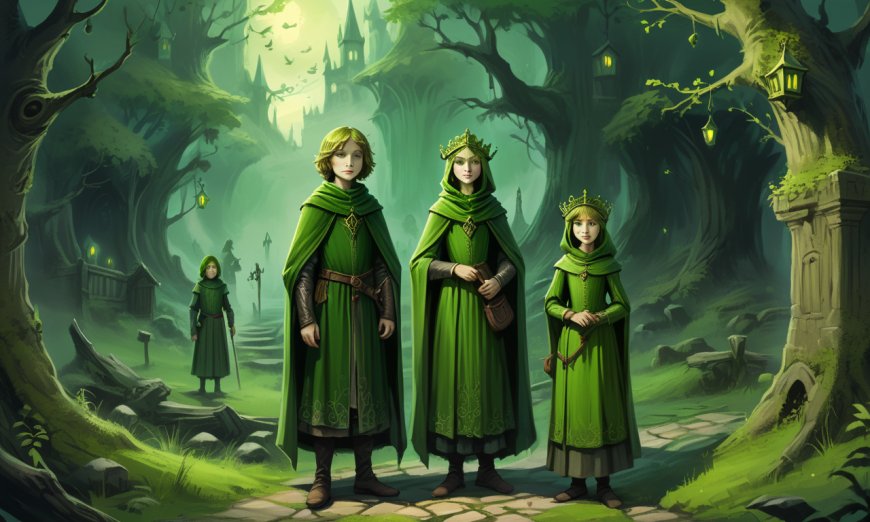


The legend of the Green Children of Woolpit is one of the most intriguing and enduring tales from medieval England. In the 12th century, two children with green skin reportedly appeared in the village of Woolpit, speaking an unknown language and wearing unfamiliar clothing. Despite numerous attempts to explain this bizarre event, the story remains shrouded in mystery. Let’s delve into the historical accounts of the green children and explore the various theories about their origins.
Historical Accounts
- The Chroniclers
The primary sources for the legend of the green children are the writings of two chroniclers, Ralph of Coggeshall and William of Newburgh. Ralph of Coggeshall was a monk at the Cistercian abbey in Coggeshall, Essex, and William of Newburgh was an English historian. Both chroniclers wrote about the green children several decades after the event, relying on local stories and testimonies.
- The Appearance in Woolpit
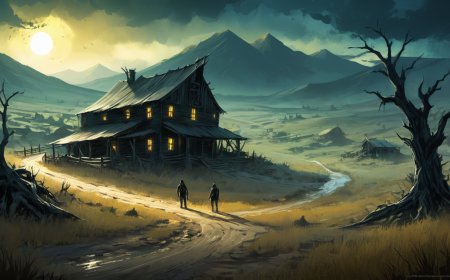
According to the accounts, the green children were discovered by villagers near a wolf pit (from which Woolpit gets its name). They were found during the harvest season, possibly in the 1150s. The children, a boy and a girl, had green skin, wore strange clothing, and spoke an unknown language.
- Integration into Village Life
The children were taken to the home of Sir Richard de Calne, where they were initially distressed and refused to eat. Eventually, they accepted food, specifically green beans, and their health improved. Over time, they learned to eat other foods and lost their green hue. The boy, however, became sick and died shortly after their discovery. The girl survived, learned English, and integrated into village life. She was baptized and later married a man from King's Lynn.
- The Girl's Story
When the girl learned enough English to communicate, she explained that she and her brother came from a place called "St. Martin's Land," where everyone had green skin. She described their homeland as a subterranean world where the sun never shone, and a perpetual twilight reigned. The children had been herding their father's cattle when they wandered into a cave, eventually emerging into Woolpit.
Theories About Their Origins
The story of the green children has inspired various theories, ranging from the plausible to the fantastical:
- Folklore and Allegory
Some scholars suggest that the tale of the green children is a piece of folklore or an allegory. It may have been a way to explain the arrival of foreign or orphaned children in the village, wrapped in a narrative that emphasized their otherworldliness.
- Historical and Sociopolitical Context
Another theory posits that the children were Flemish immigrants. During the 12th century, there was a significant Flemish presence in England, particularly in East Anglia. The green hue of their skin could have been caused by dietary deficiencies, specifically chlorosis, which is linked to anemia and can cause a greenish complexion. The children's strange language and clothing would align with the idea that they were from a foreign land.
- Environmental Explanation
Some interpretations suggest that the children might have come from a nearby, isolated area where environmental conditions or a specific diet caused their green skin. This theory posits that the children's diet consisted mainly of green beans, which might have contributed to their initial health condition and skin color.
- Subterranean and Extraterrestrial Theories
More fantastical theories propose that the children were inhabitants of a subterranean world, as described by the girl, or even extraterrestrial beings. These interpretations are less widely accepted but add to the legend's enduring appeal and mystery.
- Psychological and Cultural Explanation
Another perspective is that the story of the green children could be a result of collective psychological phenomena or cultural transmission. Medieval England had a rich tradition of folklore involving fairies, otherworldly beings, and mysterious lands. The green children could be an amalgamation of various local myths and cultural narratives.
A Little Fun Fact
Oh, and by the way, did you know that the legend of the green children has inspired numerous works of fiction? It has been adapted into novels, plays, and even science fiction stories, demonstrating its lasting impact on popular culture.
Conclusion
The tale of the Green Children of Woolpit remains one of the most fascinating and mysterious legends of medieval England. While historical accounts provide some context, the true origins and nature of the children continue to elude definitive explanation. Whether seen as a historical curiosity, a piece of folklore, or a medieval mystery, the story of the green children continues to captivate the imagination and inspire a sense of wonder.
And if you love solving mysteries and exploring historical enigmas, don’t forget to check out our word puzzle game, Sly Puzzle Games. It's a great way to keep your brain sharp and entertained. Happy exploring!