

The Global Water Crisis: Causes, Effects, and Solutions
Examine the causes of water scarcity, its impact on human populations and ecosystems, and innovative solutions to ensure sustainable water management.
 Sly Puzzle Games



Water is essential for life, yet nearly one-third of the world’s population lacks access to clean and safe drinking water. The global water crisis is one of the most pressing challenges of our time, with far-reaching consequences for human health, economic development, and environmental sustainability. Understanding the causes of water scarcity, its impacts on human populations and ecosystems, and the innovative solutions being developed to address this crisis is crucial for ensuring a sustainable future. In this article, we will explore the root causes of the global water crisis, its effects on people and the planet, and the strategies needed to manage water resources more sustainably.
Causes of Water Scarcity
- Population Growth and Increased Demand
The global population is expected to reach nearly 10 billion by 2050, placing unprecedented demands on water resources. As populations grow, so does the demand for water for drinking, sanitation, agriculture, and industry. This increased demand puts pressure on existing water supplies, leading to over-extraction from rivers, lakes, and aquifers.
- Climate Change
Climate change is exacerbating water scarcity by altering precipitation patterns, increasing the frequency and severity of droughts, and causing glaciers and snowpacks to melt. In many regions, climate change is leading to reduced freshwater availability, particularly in areas that rely on seasonal snowmelt or monsoon rains. As temperatures rise, evaporation rates increase, further reducing the availability of water in reservoirs and rivers.
- Pollution
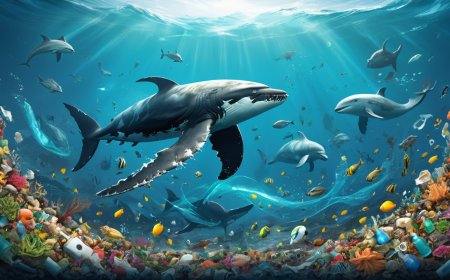
Water pollution is a significant contributor to water scarcity. Industrial waste, agricultural runoff, and untreated sewage contaminate freshwater sources, making them unsafe for human consumption and harming aquatic ecosystems. In many developing countries, a lack of infrastructure for wastewater treatment exacerbates the problem, leading to widespread waterborne diseases and environmental degradation.
- Poor Water Management
Inefficient water management practices, such as outdated irrigation systems, leaky infrastructure, and over-allocation of water rights, contribute to water scarcity. In some cases, water is diverted for non-essential uses, such as ornamental landscaping or golf courses, while essential needs go unmet. Additionally, the failure to regulate and manage shared water resources, such as transboundary rivers, can lead to conflicts and further exacerbate water shortages.
- Overuse and Depletion of Aquifers
In many parts of the world, groundwater aquifers are being over-extracted to meet the demands of agriculture, industry, and urbanization. Unlike surface water, which can be replenished by rainfall, groundwater can take decades or even centuries to recharge. Over-extraction leads to falling water tables, land subsidence, and the depletion of this critical resource.
Effects of Water Scarcity
- Impact on Human Populations
Water scarcity has severe consequences for human health and well-being. Lack of access to clean water leads to waterborne diseases, such as cholera, diarrhea, and dysentery, which are responsible for millions of deaths each year, particularly among children. Women and girls are disproportionately affected, as they often bear the burden of collecting water, sometimes walking miles to reach a water source. This time-consuming task can limit their opportunities for education and economic participation.
Water scarcity also affects food security, as agriculture is the largest consumer of freshwater resources. Reduced water availability can lead to lower crop yields, food shortages, and increased food prices, exacerbating hunger and poverty, particularly in vulnerable communities.
- Economic Impacts
Water scarcity has significant economic impacts, particularly in regions that rely on agriculture, tourism, or water-intensive industries. Reduced water availability can lead to lower agricultural productivity, loss of livelihoods, and increased costs for businesses and households. In some cases, water scarcity can lead to migration and displacement, as people move in search of more reliable water sources.
- Environmental Degradation
The over-extraction of water resources and pollution of freshwater ecosystems can lead to severe environmental degradation. Rivers and lakes can dry up, wetlands can be destroyed, and aquatic species can be pushed to the brink of extinction. The loss of these ecosystems reduces biodiversity and diminishes the ecosystem services they provide, such as water purification, flood control, and carbon sequestration.
Innovative Solutions to the Water Crisis
- Improving Water Efficiency
One of the most effective ways to address water scarcity is to improve water efficiency in agriculture, industry, and households. In agriculture, techniques such as drip irrigation, rainwater harvesting, and the use of drought-resistant crop varieties can significantly reduce water consumption. In urban areas, water-efficient appliances, fixtures, and smart irrigation systems can help conserve water. Industry can adopt water-saving technologies and practices, such as recycling and reusing water in manufacturing processes.
- Investing in Water Infrastructure
Investing in modern water infrastructure is essential for reducing water losses and ensuring reliable access to clean water. This includes repairing and upgrading aging pipelines, building reservoirs and desalination plants, and expanding wastewater treatment facilities. In addition, innovative approaches such as decentralized water systems and green infrastructure can help communities manage water more sustainably.
- Protecting and Restoring Ecosystems
Protecting and restoring natural ecosystems, such as wetlands, forests, and watersheds, is crucial for maintaining the health of water resources. These ecosystems play a vital role in regulating the water cycle, filtering pollutants, and providing habitat for wildlife. Reforestation, wetland restoration, and sustainable land management practices can help protect water sources and improve water quality.
- Implementing Integrated Water Resource Management (IWRM)
Integrated Water Resource Management (IWRM) is a holistic approach to managing water resources that considers the interconnectedness of water, land, and ecosystems. IWRM promotes the coordinated development and management of water, land, and related resources to maximize social, economic, and environmental benefits. This approach involves stakeholder participation, equitable water allocation, and the use of science and technology to inform decision-making.
- Promoting Water Governance and Policy
Effective water governance and policy are essential for addressing the global water crisis. This includes developing and enforcing regulations that protect water resources, promoting equitable water distribution, and ensuring that all people have access to clean and safe drinking water. International cooperation is also critical for managing shared water resources, such as transboundary rivers and aquifers.
- Raising Awareness and Education
Raising public awareness about the importance of water conservation and sustainable water management is key to driving change. Educational campaigns, community programs, and school curricula can help people understand the value of water and the actions they can take to conserve it. Empowering individuals and communities to be stewards of their water resources can lead to lasting positive impacts.
A Little Fun Fact
Oh, and by the way, did you know that the average person uses about 80-100 gallons of water per day for activities like bathing, cooking, and cleaning? Small changes, like fixing leaks or taking shorter showers, can add up to significant water savings over time.
Conclusion
The global water crisis is a complex and multifaceted challenge that requires urgent action. By addressing the root causes of water scarcity and implementing innovative solutions, we can ensure that future generations have access to the clean and safe water they need to thrive. Sustainable water management is essential for protecting human health, supporting economic development, and preserving the natural environment.
And if you love solving environmental mysteries and exploring the wonders of nature, don’t forget to check out our word puzzle game, Sly Puzzle Games. It's a great way to keep your brain sharp and entertained. Happy exploring!