

The Evolution of Superhero Movies: Is Marvel Fatiguing Its Audience?
Superhero movies have dominated Hollywood for over two decades, reshaping the landscape of cinema and becoming a cultural phenomenon. From Marvel’s groundbreaking Iron Man in 2008 to the sprawling, interconnected narratives of the Marvel Cinematic Universe (MCU), these films have thrilled audiences worldwide. But with an increasing number of releases and a perceived decline in quality, some fans and critics are asking: is superhero fatigue setting in, particularly with Marvel? Let’s explore the evolution of superhero movies, what made them so successful, and whether Marvel—and the genre as a whole—is losing its grip on audiences.
 Sly Puzzle Games


1. The Rise of Superhero Movies: A New Era of Cinema
Superhero films weren’t always the cultural juggernauts they are today. Early attempts like Superman: The Movie (1978) and Tim Burton’s Batman (1989) laid the foundation for the genre, but it wasn’t until the 2000s that superheroes became mainstream blockbusters.
- The Early 2000s Boom: Films like X-Men (2000) and Sam Raimi’s Spider-Man (2002) proved that comic book adaptations could be both commercially successful and critically acclaimed.
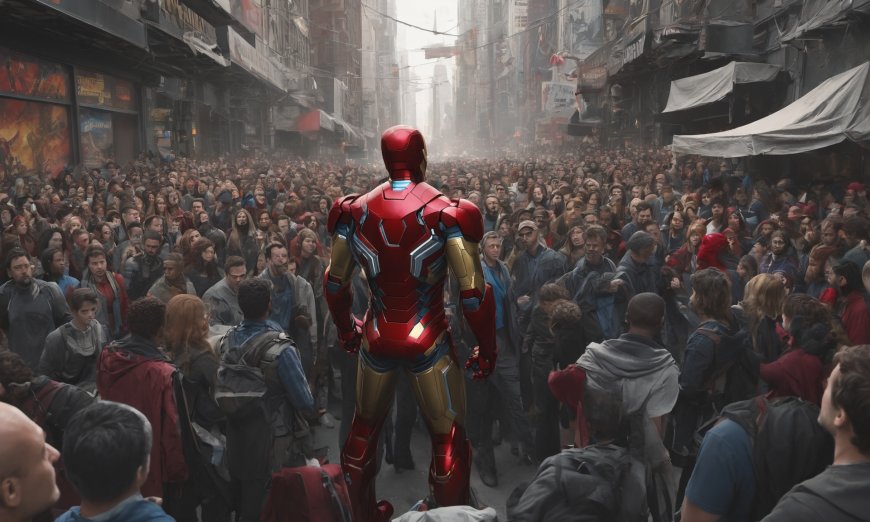
- Marvel’s Breakthrough: With the release of Iron Man in 2008, Marvel Studios introduced the concept of a shared cinematic universe, leading to the unprecedented success of The Avengers (2012).
Takeaway: The early 2000s established the genre, but Marvel’s cohesive storytelling elevated it to a phenomenon.
2. The MCU’s Golden Age: Innovation and Emotional Payoffs
The MCU hit its stride in the 2010s, producing a mix of standalone films and interconnected narratives that culminated in Avengers: Infinity War (2018) and Avengers: Endgame (2019).
- What Worked:
- Character Development: Heroes like Iron Man, Captain America, and Thor underwent meaningful growth over multiple films.
- Risk-Taking: Films like Guardians of the Galaxy (2014) and Black Panther (2018) pushed boundaries, introducing new tones, styles, and perspectives.
- Cultural Impact: Black Panther became a cultural milestone, while Endgame provided a deeply satisfying conclusion to over a decade of storytelling.
Takeaway: Marvel’s success during this era was driven by innovation, emotional depth, and a deep connection with its audience.
3. The Post-Endgame Slump: Quantity Over Quality?
Following Endgame, Marvel entered Phase 4 with a slew of new films and Disney+ series. While some projects found success, others received mixed reactions, leading to speculation about audience fatigue.
- What’s Changed:
- Overcrowded Schedule: Between Disney+ shows and theatrical releases, Marvel’s output increased dramatically, leading to concerns about oversaturation.
- Weaker Storytelling: Films like Eternals (2021) and Thor: Love and Thunder (2022) faced criticism for underdeveloped characters and inconsistent tones.
- Unclear Direction: The lack of a clear overarching narrative or central threat post-Endgame has left some fans feeling disconnected.
Takeaway: The rapid expansion of the MCU may be diluting the quality and impact that once defined the franchise.
4. The Changing Audience: Are Expectations Too High?
As superhero movies became more mainstream, audience expectations shifted. What once felt fresh and exciting now risks feeling formulaic.
- The Challenge of Innovation: After the groundbreaking success of Endgame, audiences expect every new Marvel project to replicate its scale and emotional resonance.
- Competing Genres: Audiences are gravitating toward fresh, genre-blending storytelling, as seen in films like Everything Everywhere All at Once and shows like The Boys.
Takeaway: Superhero movies must evolve to meet the changing tastes and expectations of a more discerning audience.
5. Signs of Superhero Fatigue: Is the Genre in Trouble?
While superhero movies remain profitable, several signs suggest that fatigue might be setting in:
- Box Office Declines: Recent Marvel films like Ant-Man and the Wasp: Quantumania (2023) underperformed compared to earlier entries.
- Critical Reception: Films and shows like She-Hulk and Eternals received mixed or negative reviews, leading to debates about the franchise’s direction.
- Audience Burnout: The constant stream of new content has left some fans feeling overwhelmed rather than excited.
Takeaway: While superhero fatigue isn’t universal, it’s becoming a significant challenge for Marvel and the genre as a whole.
6. Lessons from Other Franchises: How to Avoid Fatigue
Marvel can take cues from other franchises to keep the superhero genre fresh and engaging:
- Focus on Quality Over Quantity: Star Wars has scaled back its theatrical releases, focusing on high-quality Disney+ series like The Mandalorian.
- Introduce Bold Storytelling: Films like Logan (2017) and Joker (2019) proved that darker, character-driven narratives can reinvigorate the genre.
- Diversify Heroes and Stories: Projects like Shang-Chi and Ms. Marvel have shown the potential for fresh perspectives and cultural representation to connect with audiences.
Takeaway: By prioritizing quality, taking risks, and embracing diverse storytelling, Marvel can ensure the genre’s longevity.
7. The Future of Superhero Movies: What’s Next?
Despite challenges, the superhero genre isn’t going anywhere. Upcoming projects like Avengers: The Kang Dynasty, Deadpool 3, and James Gunn’s Superman: Legacy have the potential to reignite audience enthusiasm.
- Opportunities Ahead:
- Multiverse Storytelling: The multiverse concept, as seen in Spider-Man: No Way Home (2021), offers endless creative possibilities.
- Character Reboots: Introducing fresh takes on iconic characters, like the Fantastic Four and X-Men, could renew interest in the MCU.
- Crossover Potential: Collaborations between Marvel, DC, or other franchises could be a game-changer.
Takeaway: With the right balance of innovation and respect for its roots, the superhero genre can continue to thrive.
Interesting Fact:
Did you know that Avengers: Endgame is the second-highest-grossing film of all time, earning over $2.7 billion worldwide? It remains a benchmark for blockbuster success.
Conclusion
Superhero movies have come a long way, transforming from niche adaptations into a global phenomenon. While Marvel faces the challenge of audience fatigue, the genre’s future remains bright if studios focus on meaningful storytelling, bold risks, and adapting to evolving audience tastes.
What do you think? Are superhero movies still as exciting as they once were, or is it time for the genre to take a step back?