

The Effects of Climate Change on Polar Regions
Explore how climate change is affecting the Arctic and Antarctic ecosystems, the species that inhabit them, and the global consequences of these changes.
 Sly Puzzle Games
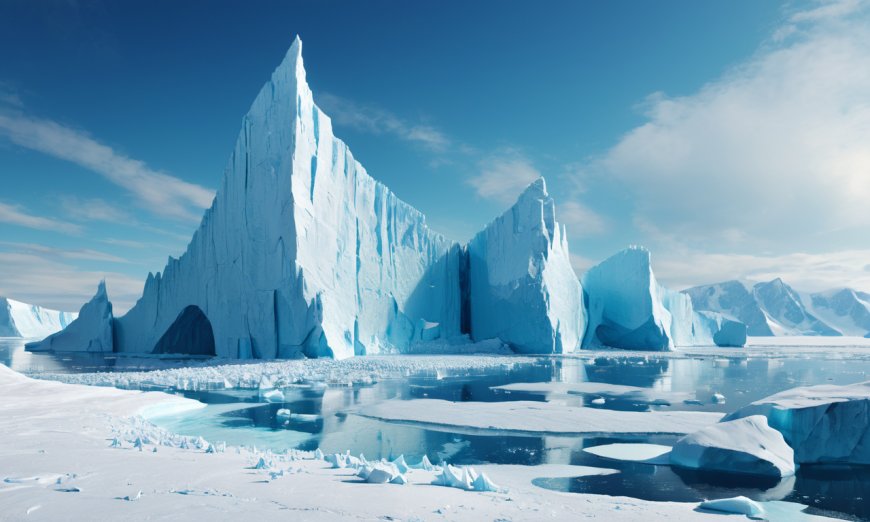


The polar regions—the Arctic and Antarctic—are experiencing some of the most dramatic effects of climate change on the planet. These frozen frontiers, which play a crucial role in regulating Earth’s climate, are warming at an alarming rate. As temperatures rise, polar ecosystems are undergoing profound transformations, threatening the species that call them home and triggering global consequences that affect weather patterns, sea levels, and biodiversity across the globe. In this article, we will explore how climate change is impacting the Arctic and Antarctic regions, the species that are struggling to adapt, and the broader implications for our planet.
The Arctic: A Region in Rapid Change
- Warming Temperatures and Melting Sea Ice
The Arctic is warming at more than twice the rate of the global average, a phenomenon known as Arctic amplification. One of the most visible and alarming impacts of this warming is the rapid decline of sea ice. Over the past few decades, Arctic sea ice has been shrinking in both extent and thickness, with summer sea ice reaching record lows. The loss of sea ice has cascading effects on the Arctic ecosystem, as it provides critical habitat for species such as polar bears, seals, and walruses.
Sea ice also plays a key role in regulating the Earth's temperature by reflecting sunlight back into space. As sea ice melts, it exposes darker ocean water, which absorbs more heat, further accelerating warming in the region. This feedback loop exacerbates the effects of climate change and contributes to global temperature rise.
- Thawing Permafrost
Beneath the Arctic tundra lies permafrost—frozen soil that has remained solid for thousands of years. However, as temperatures rise, permafrost is beginning to thaw, releasing stored carbon dioxide and methane, two potent greenhouse gases, into the atmosphere. This release of gases further accelerates global warming, creating yet another feedback loop.
Thawing permafrost also destabilizes the landscape, leading to the collapse of buildings, roads, and pipelines, and causing shifts in ecosystems. The thawing ground can disrupt the habitats of species that rely on frozen soil for survival and alter the delicate balance of Arctic ecosystems.
- Impact on Arctic Species
The loss of sea ice and changing landscapes are having devastating effects on Arctic wildlife. Polar bears, which rely on sea ice to hunt seals, are particularly vulnerable. As the ice melts earlier in the year and forms later in the season, polar bears are forced to travel longer distances to find food, leading to malnutrition, reduced reproductive success, and declining populations.
Other species, such as seals, walruses, and Arctic foxes, are also facing challenges as their habitats change. In addition, fish species that thrive in cold waters are being displaced by warmer-water species, disrupting the Arctic marine food web. Indigenous communities that depend on Arctic wildlife for food, cultural practices, and livelihoods are also being affected by these ecological shifts.
The Antarctic: Warming, Ice Loss, and Ecosystem Disruption
- Melting Ice Sheets and Rising Sea Levels
While the Arctic is an ocean surrounded by land, the Antarctic is a continent surrounded by ocean, and its ice is also melting at an alarming rate. The Antarctic ice sheet holds the largest volume of ice on Earth, and its melting has direct implications for global sea levels. The West Antarctic Ice Sheet, in particular, is experiencing significant ice loss due to warming ocean currents that erode the ice from below.
The melting of Antarctic glaciers and ice shelves contributes to rising sea levels, which threaten coastal cities and communities around the world. If current trends continue, sea levels could rise by several feet by the end of the century, displacing millions of people and causing extensive economic damage.
- Changing Marine Ecosystems
The Southern Ocean, which surrounds Antarctica, is home to rich marine biodiversity, including krill, fish, penguins, and whales. However, warming waters and changes in sea ice are disrupting these ecosystems. Krill, tiny shrimp-like creatures that form the base of the Antarctic food web, rely on sea ice for feeding and reproduction. As sea ice declines, krill populations are decreasing, which in turn affects species that depend on them, such as penguins, seals, and whales.
Penguins, particularly the Adélie and emperor penguins, are among the most affected species. Adélie penguins depend on sea ice for breeding and feeding, and their populations have been declining in areas where sea ice is disappearing. Emperor penguins, which breed on sea ice, are also at risk as the ice melts earlier in the season, disrupting their reproductive cycles.
- Ocean Acidification
In addition to warming waters, the Southern Ocean is absorbing more carbon dioxide from the atmosphere, leading to ocean acidification. Acidification reduces the availability of calcium carbonate, a key building block for the shells and skeletons of marine organisms like krill, mollusks, and plankton. As these organisms struggle to survive in more acidic waters, the entire marine food chain is at risk, with implications for both Antarctic ecosystems and global fisheries.
Global Consequences of Polar Changes
- Rising Sea Levels
The melting of polar ice, particularly from the Greenland and Antarctic ice sheets, is one of the primary drivers of global sea-level rise. Rising sea levels threaten coastal cities, small island nations, and low-lying areas around the world. Storm surges, flooding, and erosion are becoming more frequent, displacing communities, damaging infrastructure, and disrupting economies.
- Changes in Weather Patterns
The polar regions play a key role in regulating global weather patterns. As the Arctic warms and sea ice declines, the jet stream—a fast-flowing air current that influences weather in the Northern Hemisphere—is becoming more erratic. This can lead to extreme weather events, such as prolonged heatwaves, cold snaps, and heavy rainfall in regions far from the poles. The loss of polar ice is also affecting ocean currents, which play a critical role in regulating global temperatures and weather patterns.
- Impact on Global Biodiversity
The changes occurring in the polar regions have far-reaching consequences for global biodiversity. As ecosystems in the Arctic and Antarctic are disrupted, species that rely on these regions for migration, feeding, and breeding are affected. The ripple effects of these disruptions can be felt in ecosystems around the world, as species migrate to new areas, compete for resources, and alter food webs.
Solutions and Mitigation Efforts
- Reducing Greenhouse Gas Emissions
The most critical solution to mitigating the effects of climate change on polar regions is to reduce greenhouse gas emissions. Transitioning to renewable energy sources, improving energy efficiency, and adopting sustainable transportation and agricultural practices are essential for limiting global temperature rise and slowing the melting of polar ice.
- Conservation and Protected Areas
Protecting polar ecosystems through the establishment of marine and terrestrial protected areas is essential for preserving biodiversity and ensuring that species have the space and resources they need to adapt to changing conditions. International cooperation is key to safeguarding the polar regions, as these areas are shared by multiple countries and are governed by international treaties.
- Supporting Indigenous and Local Communities
Indigenous and local communities in the Arctic are on the front lines of climate change and have valuable knowledge about the environment. Supporting these communities and incorporating their knowledge into conservation and adaptation strategies is critical for building resilience and protecting both cultural heritage and ecosystems.
A Little Fun Fact
Oh, and by the way, did you know that polar bears can swim for days in search of sea ice? As their icy habitat melts, polar bears are swimming longer distances, sometimes up to 60 miles in a single stretch, to find food and resting spots.
Conclusion
The polar regions are vital to the health of our planet, serving as climate regulators, biodiversity hotspots, and critical habitats for unique species. The impacts of climate change on the Arctic and Antarctic are profound, with consequences that extend far beyond these icy landscapes. Addressing the climate crisis requires urgent global action to reduce emissions, protect ecosystems, and build resilience to the changes already underway. By acting now, we can help preserve these fragile regions and safeguard the future of our planet.
And if you love solving environmental mysteries and exploring the wonders of nature, don’t forget to check out our word puzzle game, Sly Puzzle Games. It's a great way to keep your brain sharp and entertained. Happy exploring!