

Ocean Acidification: The Hidden Threat to Marine Life
Examine the causes and consequences of ocean acidification, its effects on marine species and ecosystems, and strategies to combat this environmental challenge.
 Sly Puzzle Games


The world's oceans, often referred to as the "lungs of the Earth," play a critical role in regulating the planet's climate and supporting vast marine ecosystems. However, the health of our oceans is under threat from a phenomenon known as ocean acidification. Often overshadowed by other environmental issues, ocean acidification is a profound and growing problem that poses a significant risk to marine life and ecosystems. In this article, we will explore the causes and consequences of ocean acidification, its impact on marine species, and the strategies needed to address this hidden threat.
What is Ocean Acidification?
- The Chemistry Behind Ocean Acidification
Ocean acidification refers to the ongoing decrease in the pH of the Earth's oceans, caused by the absorption of excess carbon dioxide (CO2) from the atmosphere. Since the beginning of the Industrial Revolution, the concentration of atmospheric CO2 has increased dramatically due to human activities such as the burning of fossil fuels, deforestation, and industrial processes. The oceans absorb approximately 30% of this CO2, which reacts with seawater to form carbonic acid.
The chemical reactions involved are as follows:
- CO2 + H2O → H2CO3 (carbonic acid)
- H2CO3 dissociates into H+ (hydrogen ions) and HCO3- (bicarbonate ions).
The increase in hydrogen ions (H+) leads to a decrease in pH, making the ocean more acidic. Over the past 200 years, the average pH of the ocean's surface water has decreased by about 0.1 units, which may seem small but represents a significant increase in acidity.
Consequences of Ocean Acidification
- Impact on Marine Calcifiers
One of the most severe effects of ocean acidification is on marine organisms that rely on calcium carbonate (CaCO3) to build their shells and skeletons, such as corals, mollusks (like clams and oysters), and some species of plankton. As the ocean becomes more acidic, the availability of carbonate ions (CO32-), a key component of calcium carbonate, decreases.
This reduction in carbonate ions makes it more difficult for these organisms to form and maintain their shells and skeletons. In some cases, the acidic conditions can even cause existing shells to dissolve, leading to increased mortality rates among these species. The decline of these calcifying organisms can have cascading effects throughout the marine food web, as they are often foundational species in their ecosystems.
- Coral Reefs at Risk
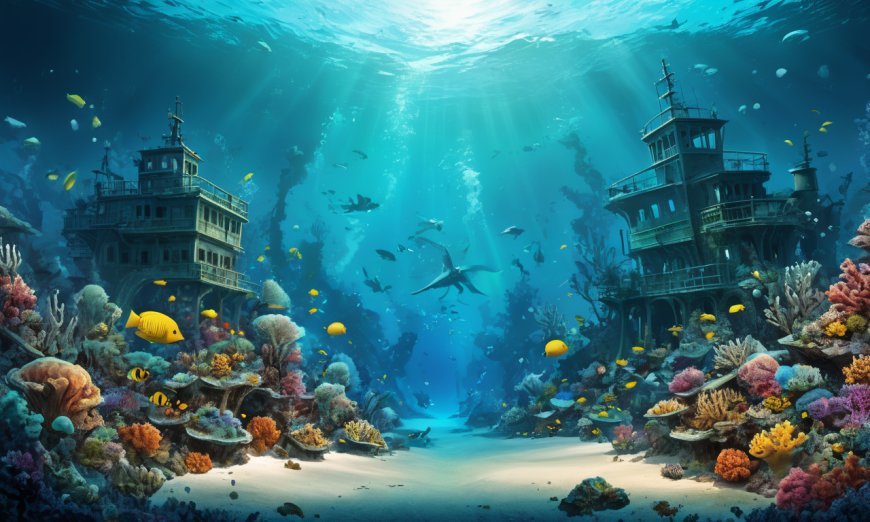
Coral reefs, often referred to as the "rainforests of the sea," are particularly vulnerable to ocean acidification. These ecosystems are built by coral polyps, tiny organisms that secrete calcium carbonate to form the reef structure. As acidification progresses, coral growth slows, and the structural integrity of the reefs weakens, making them more susceptible to erosion, storms, and other stressors.
Coral reefs support approximately 25% of all marine species, providing habitat, food, and breeding grounds. The decline of coral reefs due to ocean acidification threatens the biodiversity they support and the livelihoods of millions of people who rely on reefs for food, tourism, and coastal protection.
- Disruption of Marine Food Webs
Ocean acidification can also affect non-calcifying organisms, such as fish and invertebrates, by altering their behavior, physiology, and reproductive success. For example, studies have shown that some fish species exhibit impaired sensory abilities and altered predator-prey interactions in more acidic conditions. These changes can disrupt the delicate balance of marine food webs, leading to declines in fish populations and other marine life.
- Socioeconomic Impacts
The impacts of ocean acidification extend beyond the marine environment to human societies. Many coastal communities depend on fisheries, aquaculture, and tourism for their livelihoods. As marine species and ecosystems decline, these industries face significant economic challenges. For example, the shellfish industry, which relies on mollusks like oysters and clams, is already experiencing difficulties due to the effects of acidification on shell formation.
Strategies to Combat Ocean Acidification
- Reducing CO2 Emissions
The most direct and effective way to combat ocean acidification is to reduce global CO2 emissions. This requires transitioning away from fossil fuels toward renewable energy sources, such as solar, wind, and hydropower, and implementing energy efficiency measures. International agreements, like the Paris Agreement, aim to limit global warming by reducing greenhouse gas emissions, which in turn would slow the rate of ocean acidification.
- Protecting and Restoring Marine Ecosystems
Protecting and restoring marine ecosystems, such as mangroves, seagrasses, and salt marshes, can help mitigate the effects of ocean acidification. These "blue carbon" ecosystems absorb and store CO2, helping to reduce the amount of carbon in the atmosphere and buffer the effects of acidification. Additionally, healthy marine ecosystems are more resilient to environmental changes, providing a buffer against acidification's impacts.
- Improving Monitoring and Research
Expanding monitoring and research efforts is essential to better understand ocean acidification and its impacts on marine life. Scientists are working to develop more accurate models to predict future acidification scenarios and identify vulnerable species and ecosystems. Increased monitoring of ocean pH levels, carbonate chemistry, and the health of marine organisms can inform management strategies and help guide conservation efforts.
- Supporting Adaptation and Resilience
Communities and industries that depend on marine resources need to adapt to the changes brought about by ocean acidification. This includes developing new aquaculture techniques that account for more acidic conditions, breeding more resilient species, and implementing adaptive management practices in fisheries. Building resilience in both ecosystems and human communities is crucial for coping with the long-term effects of acidification.
A Little Fun Fact
Oh, and by the way, did you know that pteropods, tiny marine snails also known as "sea butterflies," are considered a key indicator species for ocean acidification? Their shells are highly sensitive to changes in ocean pH, making them a valuable "canary in the coal mine" for monitoring the health of marine ecosystems.
Conclusion
Ocean acidification is a hidden but formidable threat to marine life and the health of our oceans. Its impacts on calcifying organisms, coral reefs, and marine food webs have far-reaching consequences for biodiversity, ecosystem services, and human livelihoods. Addressing this challenge requires global action to reduce CO2 emissions, protect and restore marine ecosystems, and support adaptation strategies. By taking proactive steps now, we can help safeguard the oceans and the countless species and communities that depend on them.
And if you love solving environmental mysteries and exploring the wonders of nature, don’t forget to check out our word puzzle game, Sly Puzzle Games. It's a great way to keep your brain sharp and entertained. Happy exploring!