

Does Mad Max: Fury Road Foreshadow an Inevitable Future?
George Miller’s Mad Max: Fury Road is a visceral, high-octane masterpiece that throws viewers into a dystopian wasteland ruled by chaos, scarcity, and survival of the fittest. Set in a world ravaged by environmental collapse and societal breakdown, the film’s relentless action is underscored by haunting themes of resource scarcity, power dynamics, and humanity’s capacity for both destruction and resilience.
 Sly Puzzle Games
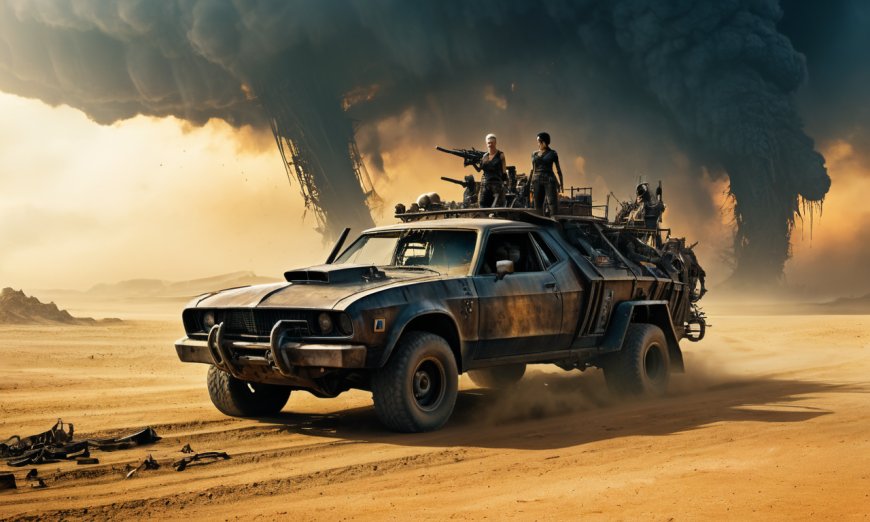


But is Fury Road merely a work of cinematic imagination, or does it offer a chilling glimpse into a potential future? Let’s dive into the hidden messages and thematic warnings of Mad Max: Fury Road to uncover whether its dystopian vision is closer to reality than we’d like to admit.
1. Environmental Collapse: A Warning About Resource Scarcity
The barren wasteland of Fury Road is the result of environmental devastation, where water, fertile land, and fuel are scarce. Immortan Joe, the tyrannical ruler of the Citadel, hoards water (referred to as “Aqua Cola”) and doles it out sparingly, creating a society where control of resources equals power.
This dystopian setting mirrors current global challenges:
- Water Scarcity: With over 2 billion people worldwide lacking access to safe water, Fury Road’s depiction of water as a weapon of power is eerily plausible.
- Climate Change: The film’s arid landscapes and extreme weather evoke the consequences of unchecked global warming, including desertification and food shortages.
- Energy Dependence: The obsession with fuel (“guzzoline”) reflects real-world struggles over energy resources, with wars and conflicts often tied to oil and gas reserves.
Fury Road serves as a stark reminder that humanity’s exploitation of natural resources can have devastating consequences, pushing us toward a future of scarcity and conflict.
2. Power and Oppression: A Critique of Tyranny
Immortan Joe’s reign over the Citadel is built on fear, control, and the manipulation of resources. He uses water as a tool to maintain power and perpetuates a patriarchal system where women are treated as commodities — breeders or objects of desire.
This dynamic offers a critique of real-world power structures:
- Resource Inequality: Like Immortan Joe, those in power often monopolize essential resources, exacerbating inequality and perpetuating societal divides.
- Exploitation of Vulnerability: The film highlights how scarcity can make people susceptible to manipulation, reinforcing the importance of equitable access to resources.
The narrative of rebellion led by Furiosa and the wives symbolizes the fight against oppressive systems, suggesting that change is possible even in the bleakest circumstances.
3. The Consequences of Hyper-Masculinity
Fury Road critiques the toxic hyper-masculinity that dominates its world. The War Boys, brainwashed into worshiping Immortan Joe, are portrayed as disposable pawns willing to sacrifice themselves for fleeting glory. Their aggressive, self-destructive behavior reflects a society that glorifies violence and domination.
The film contrasts this with Furiosa’s leadership, which emphasizes collaboration, compassion, and resilience. Her journey challenges traditional gender roles, positioning her as the true hero of the story. This dichotomy serves as a commentary on the dangers of unchecked aggression and the need for more balanced, inclusive leadership.
4. Survival and Adaptation: Humanity’s Resilience
Despite its bleak setting, Fury Road offers glimpses of hope through the characters’ ability to adapt and survive. Furiosa and the wives defy Immortan Joe, seeking a better future in the Green Place, a mythic land of fertility and safety. While their journey reveals that the Green Place has been destroyed, their resilience and determination to reclaim the Citadel demonstrate humanity’s capacity to persevere.
This theme highlights the importance of:
- Innovation: Adapting to new challenges through creativity and resourcefulness.
- Collaboration: Working together to overcome adversity, as seen in the unlikely alliance between Furiosa, Max, and the wives.
- Hope: Maintaining a vision for a better future, even when faced with insurmountable odds.
5. The Cycle of Destruction: A Reflection on History
Fury Road suggests that humanity’s future may not be entirely different from its past. The film’s dystopian world is marked by cycles of violence, oppression, and rebellion, echoing historical patterns of conflict over resources and power. Immortan Joe’s Citadel could easily be compared to ancient feudal systems, where wealth and privilege were concentrated in the hands of a few.
The film asks viewers to consider:
- Are we doomed to repeat history, or can we learn from it?
- How can we break free from cycles of exploitation and build a more equitable society?
By framing these questions within a futuristic setting, Fury Road challenges us to reflect on our current trajectory and the steps needed to avoid such a fate.
6. The Role of Women: Agents of Change
At the heart of Fury Road is Furiosa’s quest to free Immortan Joe’s wives and reclaim their autonomy. The film’s portrayal of women as agents of change is a powerful statement about the importance of dismantling patriarchal systems and creating a more inclusive future.
The wives, once viewed as property, become active participants in their own liberation, while Furiosa’s leadership highlights the potential for transformative change when women are given the space to lead. This theme resonates with contemporary movements for gender equality and empowerment.
Interesting Fact
Did you know that George Miller insisted on practical effects for most of the film’s stunts and car chases? Over 80% of the jaw-dropping action sequences were achieved without CGI, giving Fury Road its gritty, immersive feel.
Conclusion
Mad Max: Fury Road is more than an adrenaline-pumping spectacle; it’s a cautionary tale about the dangers of environmental degradation, resource scarcity, and oppressive power structures. By highlighting humanity’s capacity for both destruction and resilience, the film challenges viewers to confront the consequences of our actions and consider the changes needed to avoid a dystopian future.
Through its vivid imagery and powerful characters, Fury Road serves as a stark warning and a call to action. It urges us to rethink our relationship with the planet, power, and each other before it’s too late. The question remains: will we heed its warnings, or are we already on the road to our own dystopia?