

The Truth Behind the Hidden Codes in John Wick: Chapter 4
The John Wick franchise is more than just a series of high-octane action films; it’s a carefully crafted world steeped in mystery, rituals, and hidden meanings. In John Wick: Chapter 4, the world of assassins expands further, and with it comes an array of cryptic codes, symbols, and messages that serve as the backbone of this shadowy underworld. Let’s decode the truth behind these hidden codes and explore how they deepen the lore of John Wick’s fascinating universe.
 Sly Puzzle Games


1. The High Table: Symbols of Power and Control
The High Table, the shadowy council that governs the assassin world, operates through layers of symbolism and ritual. In Chapter 4, the organization’s cryptic codes play a central role in its authority.
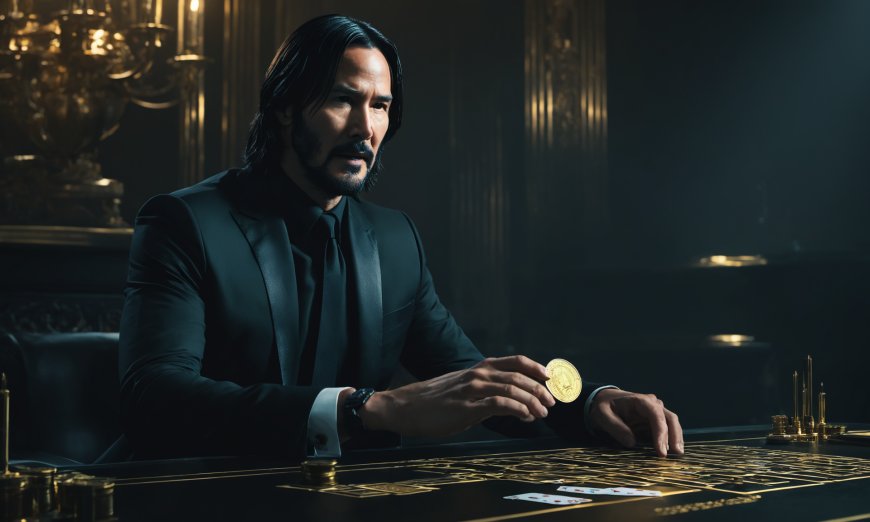
- Hidden Detail: The High Table’s coins and markers aren’t just currency or contracts; they’re symbols of trust, loyalty, and unbreakable oaths.
- Key Scene: When Winston presents John with a new marker, its intricate design mirrors ancient talismanic patterns, hinting at the Table’s deep-rooted traditions.
- The Meaning: These symbols reinforce the idea that the Table’s power isn’t just logistical but cultural, binding its members through centuries-old rituals.
Takeaway: The High Table’s codes and symbols are more than functional—they are the glue that holds this shadowy society together.
2. The Duel: A Call to Ancient Honor Systems
The climactic duel in Chapter 4 between John Wick and Marquis Vincent de Gramont is steeped in tradition and governed by strict codes of conduct.
- Hidden Detail: The rules of the duel are eerily similar to those of medieval European dueling customs, including the choice of weapons, seconds, and the location.
- Key Scene: Winston’s role as John’s second mirrors historical practices where trusted allies stood as witnesses or intermediaries during duels.
- The Meaning: The duel is more than a fight—it’s a symbolic clash of honor, legacy, and survival within the rigid structure of the assassin’s world.
Takeaway: The duel’s codes reflect the franchise’s commitment to blending modern action with timeless traditions.
3. The Bowery King’s Underground Network
The Bowery King, played by Laurence Fishburne, operates in a world of codes and secrecy beneath the surface of New York City. His cryptic messages and veiled language reveal how information flows in the assassin’s underworld.
- Hidden Detail: The pigeons used by the Bowery King are a nod to old-fashioned espionage techniques, but their use as messengers also symbolizes freedom and subversion of digital surveillance.
- Key Scene: In Chapter 4, the Bowery King’s messages are delivered on parchment with wax seals, emphasizing a blend of old-world secrecy and modern relevance.
- The Meaning: The Bowery King’s network thrives on codes that prioritize human connection over technology.
Takeaway: The Bowery King represents a counterculture within the assassin’s world, where analog methods are celebrated in a digital age.
4. The Assassin Coins: A Global Language
The gold coins used by assassins throughout the series remain central in Chapter 4. They aren’t just currency—they’re a universal language of trust and service.
- Hidden Detail: The intricate designs on the coins include ancient Roman and Greek motifs, hinting at the age and origin of the Table’s economy.
- Key Scene: In Osaka, the coins are used seamlessly across cultures, showing how the assassin world transcends national boundaries.
- The Meaning: The coins symbolize a shared understanding that unites assassins, regardless of language or nationality.
Takeaway: The coins are both practical tools and symbols of the assassin’s unspoken code of conduct.
5. The Tattoos: Marks of Allegiance
In Chapter 4, the tattoos on the bodies of assassins and High Table operatives take on a deeper meaning.
- Hidden Detail: The tattoos often include Latin phrases, religious symbols, or references to death and loyalty. These aren’t just for show—they signify allegiance to the Table’s creed.
- Key Scene: John’s back tattoo, which reads Fortis Fortuna Adiuvat (“Fortune Favors the Brave”), continues to serve as a reminder of his defiance and resilience.
- The Meaning: Tattoos in the John Wick universe are badges of identity, loyalty, and personal philosophy.
Takeaway: The tattoos are visual representations of the inner lives and loyalties of the characters.
6. The Osaka Continental: A Fusion of East and West
The Osaka Continental Hotel introduces new layers of cultural symbolism and rituals within the assassin world.
- Hidden Detail: The Japanese influences in the Osaka Continental’s design, such as cherry blossoms and samurai armor, emphasize honor and tradition.
- Key Scene: The ceremonial way weapons are presented in the Osaka armory reflects the respect for tools of death in Japanese culture.
- The Meaning: The fusion of Eastern and Western codes within the Continental system reinforces the global reach of the High Table.
Takeaway: The Osaka Continental represents a harmonious blend of tradition and modernity, reflecting the assassin world’s complex dynamics.
7. The Marquis’ Cards: A Symbol of Manipulation
Marquis Vincent de Gramont’s use of playing cards throughout Chapter 4 is more than a flamboyant quirk—it’s a power play.
- Hidden Detail: The Marquis often shuffles cards while strategizing, hinting at his manipulative nature and his role as a dealer in life and death.
- Key Scene: During the duel negotiations, the Marquis lays out his cards, visually asserting control over the situation.
- The Meaning: The cards symbolize the game of life and death that the Marquis believes he controls, making his defeat all the more satisfying.
Takeaway: The Marquis’ cards are a metaphor for his calculated and ruthless personality.
8. The Desert Tribes: Echoes of Mythology
The desert scenes in Chapter 4 revisit the mysticism introduced in Parabellum. The Elder and his tribe evoke themes of ancient wisdom and sacrifice.
- Hidden Detail: The Elder’s cryptic language and the desert’s barren setting mirror mythological journeys, such as Odysseus’ trials or biblical wanderings.
- Key Scene: John’s confrontation with the Elder reflects themes of redemption and acceptance of fate.
- The Meaning: The desert sequences emphasize John’s status as a mythic hero, fighting forces far beyond his control.
Takeaway: The desert serves as a metaphor for spiritual trials and the inevitability of destiny.
Interesting Fact:
Did you know the production designers consulted ancient texts and historical sources to create the intricate symbols and coins seen in the John Wick universe? This attention to detail adds authenticity to the world-building.
Conclusion
In John Wick: Chapter 4, the hidden codes, symbols, and rituals deepen the world-building and reinforce the series’ themes of loyalty, honor, and survival. From the assassin coins to the Marquis’ manipulative cards, every detail serves a purpose, enriching the narrative and elevating the action beyond the surface level.
What hidden details did you spot in John Wick: Chapter 4? Let us know in the comments below!