

The Secret Meanings Behind the Color Choices in Barbie (2023)
Greta Gerwig's Barbie (2023) isn't just a playful dive into a pink-drenched world — it’s a carefully crafted visual narrative where every shade and hue carries deeper meaning. From the iconic Barbie pink to the contrasting grays of the "real world," the film uses color not just for aesthetics, but as a storytelling device that reveals character arcs, societal commentary, and underlying themes. Let’s explore the secret meanings behind the colors in Barbie, decoding the symbolism hidden in the film’s vibrant palette.
 Sly Puzzle Games


1. Pink: The Quintessential Barbie Color
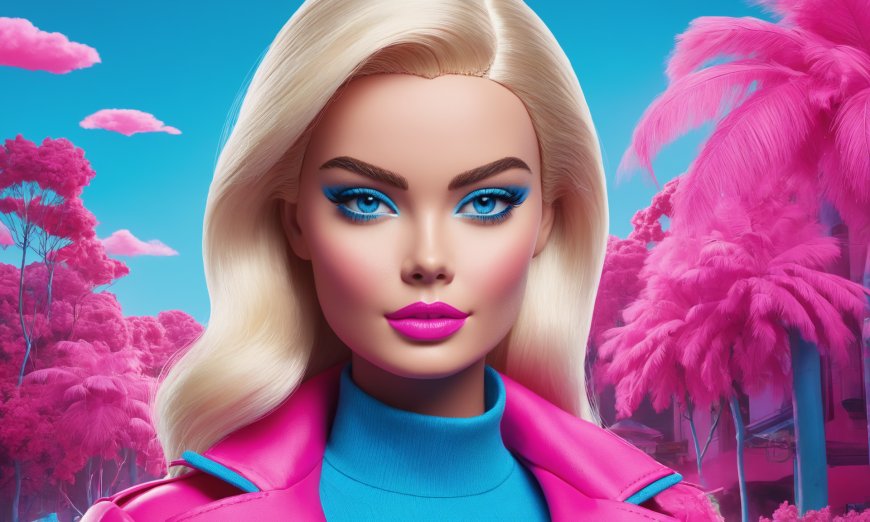
Pink is undeniably the star of Barbie's color palette, and it goes far beyond being a visual trademark.
- Symbolism of Pink: It represents femininity, idealism, innocence, and the aspirational perfection of Barbie Land.
- Shades of Pink: Different shades of pink are strategically used — bright neon pinks for playful energy, softer pastel pinks for nostalgia, and deep magentas for emotional depth.
Key Scene: In the opening scene, Barbie Land is painted in vibrant shades of pink, symbolizing an idealized matriarchal utopia. However, as Barbie begins to experience existential doubt, the pink hues around her subtly start to desaturate.
Takeaway: Pink isn’t just a girly cliché; it’s a mirror to Barbie's emotional state and her perception of reality.
2. Blue: The Color of Reality and Melancholy
Blue emerges whenever Barbie steps out of her safe, pink world and confronts reality.
- Symbolism of Blue: It represents clarity, sadness, and the harsh truths of the real world.
- Key Contrast: Barbie's transition from Barbie Land to the real world is visually marked by a shift from pink to colder blue tones.
Key Scene: When Barbie enters the real world, her bright pink outfit clashes against the cold blue-gray hues of the city. It visually isolates her, highlighting her vulnerability in a world she doesn’t understand.
Takeaway: Blue acts as a visual reminder of the contrast between the artificial, perfect world of Barbie Land and the imperfect, unfiltered reality.
3. Yellow: Optimism and Enlightenment
Yellow makes subtle but impactful appearances in the film, symbolizing hope, curiosity, and self-awareness.
- Symbolism of Yellow: It’s often associated with moments of enlightenment and joy, as well as transitions.
- Key Detail: Yellow appears most noticeably during Barbie's turning points — when she begins questioning her identity or facing emotional growth.
Key Scene: Barbie wears yellow during her moment of existential reflection at the bus stop, where she meets an older woman and shares a poignant exchange. It’s a fleeting but crucial moment of clarity and connection.
Takeaway: Yellow represents moments of awakening and gentle optimism amidst Barbie’s internal chaos.
4. Black: A Rare but Powerful Presence
Black is almost completely absent in Barbie Land, making its rare appearances even more significant.
- Symbolism of Black: It represents authority, sophistication, and sometimes fear or uncertainty.
- Key Moment: When Barbie faces the Mattel boardroom, the men are dressed in sharp black suits, symbolizing control and corporate power in contrast to Barbie’s vibrant pink innocence.
Key Scene: The all-male Mattel boardroom, dominated by black suits and sterile white walls, stands in stark contrast to the colorful freedom of Barbie Land.
Takeaway: Black in Barbie signals power structures, authority, and the oppressive weight of the real world’s expectations.
5. Gray: Conformity and Emptiness
Gray dominates scenes set in the corporate world of Mattel, acting as a visual shorthand for bureaucracy and monotony.
- Symbolism of Gray: It signifies conformity, lifelessness, and emotional sterility.
- Contrast with Barbie Land: The absence of color in Mattel’s world emphasizes the soulless, monotonous nature of corporate greed.
Key Scene: Will Ferrell’s character, the CEO of Mattel, operates in a gray boardroom filled with men in identical gray suits, underscoring the lack of individuality and imagination in their world.
Takeaway: Gray serves as a stark counterpoint to the joy and vibrancy of Barbie Land, illustrating the film’s critique of corporate culture.
6. Green: Growth and Ambiguity
Green is used sparingly but effectively in Barbie, representing growth, renewal, and sometimes unease.
- Symbolism of Green: It’s traditionally associated with growth but can also represent jealousy or uncertainty.
- Key Use: The character of Weird Barbie (played by Kate McKinnon) wears shades of green mixed with chaotic bursts of color, reflecting her fragmented but wise personality.
Key Scene: Weird Barbie’s green tones signal both her wisdom and her exile from the perfect world of Barbie Land.
Takeaway: Green is used to depict characters or moments of transformation and ambiguity.
7. Metallic Silver: Artificial Perfection
Silver and chrome accents are sprinkled throughout Barbie Land, often tied to the theme of artificial perfection.
- Symbolism of Silver: It represents modernity, sterility, and a polished facade.
- Key Detail: Many structures in Barbie Land have metallic finishes, emphasizing their plastic, toy-like nature.
Key Scene: The dreamlike quality of Barbie’s home, with its chrome-finished kitchen and plastic props, symbolizes a pristine but ultimately artificial existence.
Takeaway: Silver serves as a subtle reminder that Barbie Land, despite its vibrancy, is ultimately an illusion.
8. Red: Power and Passion
While pink dominates, red occasionally makes a dramatic appearance to symbolize power, control, or strong emotions.
- Symbolism of Red: It signals moments of passion, anger, or heightened stakes.
- Key Moment: Ken’s red outfit during his brief "patriarchy phase" signals his embrace of traditional masculinity and power dynamics.
Takeaway: Red acts as a jarring visual shift in Barbie’s otherwise pink-dominated world, highlighting emotional or narrative turning points.
Interesting Fact
Did you know that Barbie used so much pink paint during production that it caused a temporary global shortage of the specific shade of fluorescent pink?
Conclusion
In Barbie (2023), every color tells a story. Greta Gerwig and her production team didn’t just create a visually stunning world — they used colors as tools to explore identity, societal critique, and existential questions. Pink isn’t just pink, blue isn’t just blue; every shade adds depth to the narrative, guiding the audience through Barbie’s journey from innocence to self-awareness.
Next time you rewatch Barbie, pay close attention to the colors. They might just tell you more than the dialogue itself.