


Rewilding: Restoring Nature’s Balance
Discuss the concept of rewilding, its benefits for biodiversity and ecosystems, and successful rewilding projects around the world.
 Sly Puzzle Games
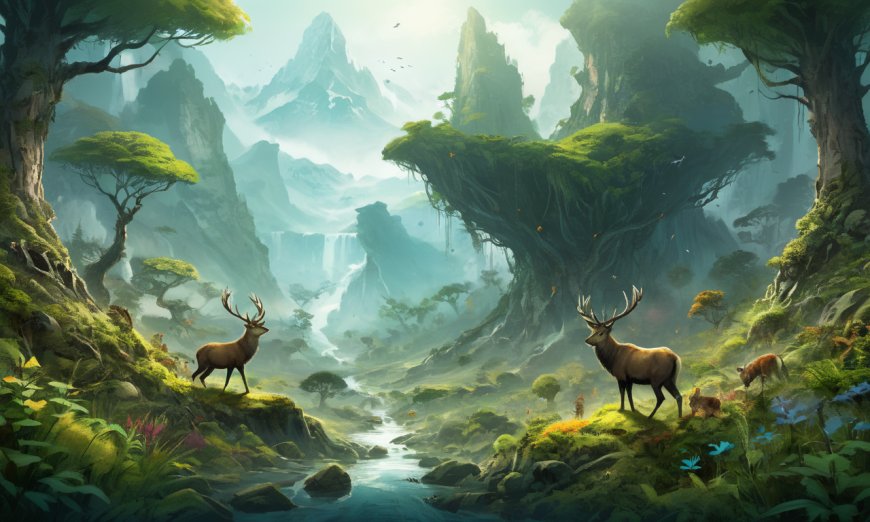


Rewilding is a transformative conservation strategy aimed at restoring natural ecosystems and allowing nature to reclaim its balance. By reintroducing keystone species, removing human barriers, and letting natural processes take their course, rewilding seeks to revive the biodiversity and resilience of landscapes that have been altered by human activity. This approach not only benefits wildlife but also enhances ecosystem services that support human well-being. In this article, we will explore the concept of rewilding, its benefits, and some of the most successful rewilding projects around the world.
What is Rewilding?
- The Concept of Rewilding
Rewilding is a conservation practice that focuses on restoring ecosystems to their natural state, often by reintroducing species that have been lost or suppressed, such as large predators or herbivores. The goal is to create self-sustaining environments where nature can thrive with minimal human intervention. Rewilding often involves removing human-made barriers, such as fences or dams, and allowing natural processes like predation, grazing, and forest regeneration to shape the landscape.
- Keystone Species and Trophic Cascades
A key aspect of rewilding is the reintroduction of keystone species—animals that play a crucial role in maintaining the structure and function of an ecosystem. These species can trigger trophic cascades, where changes at one level of the food chain cause ripple effects throughout the ecosystem. For example, reintroducing wolves to an area can control deer populations, which in turn allows vegetation to recover, benefiting a wide range of other species.
Benefits of Rewilding
- Biodiversity Restoration
Rewilding helps to restore biodiversity by re-establishing natural habitats and processes that support a wide variety of species. By creating more resilient ecosystems, rewilding can help prevent species extinctions and promote the recovery of endangered populations. Diverse ecosystems are more robust and better able to adapt to changes, such as climate fluctuations or invasive species.
- Ecosystem Services
Healthy, functioning ecosystems provide essential services that benefit human societies. These services include carbon sequestration, water purification, flood regulation, and soil fertility. Rewilding enhances these services by restoring natural landscapes and processes. For instance, rewilded wetlands can absorb floodwaters, reducing the risk of downstream flooding and providing habitat for wildlife.
- Climate Change Mitigation
Rewilding can play a significant role in mitigating climate change by enhancing carbon storage in natural ecosystems. Forests, peatlands, and grasslands that are restored through rewilding efforts sequester carbon dioxide from the atmosphere, helping to offset greenhouse gas emissions. Rewilding also promotes the resilience of ecosystems to climate change by increasing their capacity to adapt to changing conditions.
- Human Well-being and Connection to Nature
Rewilding provides opportunities for people to reconnect with nature and experience the benefits of natural environments. Access to wild and natural areas can improve mental and physical health, reduce stress, and inspire a greater appreciation for the natural world. Rewilding projects can also create economic opportunities through eco-tourism, sustainable agriculture, and community-led conservation initiatives.
Successful Rewilding Projects Around the World
- Yellowstone National Park, USA
One of the most famous examples of rewilding is the reintroduction of wolves to Yellowstone National Park in 1995. Wolves had been extirpated from the park in the early 20th century, leading to an overpopulation of elk that degraded the park's vegetation. The return of wolves triggered a trophic cascade: elk populations declined, vegetation recovered, and other species, such as beavers and songbirds, returned to the landscape. The success of this project has inspired similar rewilding efforts worldwide.
- The Oostvaardersplassen, Netherlands
The Oostvaardersplassen is a nature reserve in the Netherlands that serves as a pioneering example of rewilding in a densely populated region. Created in the 1960s, the reserve was rewilded by introducing large herbivores, such as Konik horses and Heck cattle, to mimic the role of extinct megafauna. These animals have transformed the landscape, creating a mosaic of wetlands, grasslands, and forests that support a diverse array of species. The Oostvaardersplassen has become a model for rewilding in other parts of Europe.
- Pleistocene Park, Russia
Pleistocene Park is an ambitious rewilding project in Siberia that aims to recreate the steppe ecosystem that existed during the Pleistocene epoch, when mammoths, bison, and other large herbivores roamed the region. By reintroducing species such as bison, musk oxen, and horses, the project seeks to restore the grassland ecosystem and combat climate change by enhancing carbon sequestration in the soil. The project is also exploring the potential of cloning woolly mammoths to further restore the ancient ecosystem.
- The Scottish Highlands, UK
Rewilding in the Scottish Highlands focuses on restoring the region's natural landscapes, which have been degraded by centuries of deforestation, overgrazing, and human settlement. Initiatives like the reintroduction of red squirrels, pine martens, and the restoration of native forests are helping to revive biodiversity and create a more resilient ecosystem. There are also ongoing discussions about the potential reintroduction of large predators, such as lynx and wolves, to further enhance the ecological balance.
- Gondwana Link, Australia
Gondwana Link is one of the largest and most ambitious rewilding projects in the world, aiming to reconnect fragmented landscapes across southwestern Australia. The project focuses on restoring native vegetation and creating wildlife corridors that allow species to move freely across the landscape. By working with local communities, farmers, and Indigenous groups, Gondwana Link is helping to restore biodiversity, protect endangered species, and build resilience to climate change in one of Australia's most diverse regions.
A Little Fun Fact
Oh, and by the way, did you know that beavers, often reintroduced in rewilding projects, are considered nature's engineers? Their dam-building activities create wetlands, which provide habitat for countless species and improve water quality. Beavers are a great example of how rewilding can have far-reaching positive effects on ecosystems.
Conclusion
Rewilding offers a promising path to restoring nature’s balance, reviving biodiversity, and enhancing ecosystem services. Successful rewilding projects around the world demonstrate the power of letting nature take the lead in healing our planet. As more people and communities embrace rewilding, we can look forward to a future where wild landscapes flourish, ecosystems thrive, and humanity reaps the benefits of a healthier, more resilient environment.
And if you love solving environmental mysteries and exploring the wonders of nature, don’t forget to check out our word puzzle game, Sly Puzzle Games. It's a great way to keep your brain sharp and entertained. Happy exploring!