

Urban Green Spaces: Why Cities Need Nature
Discuss the benefits of urban green spaces for human health, biodiversity, and climate resilience, and how cities can integrate more nature into their planning.
 Sly Puzzle Games
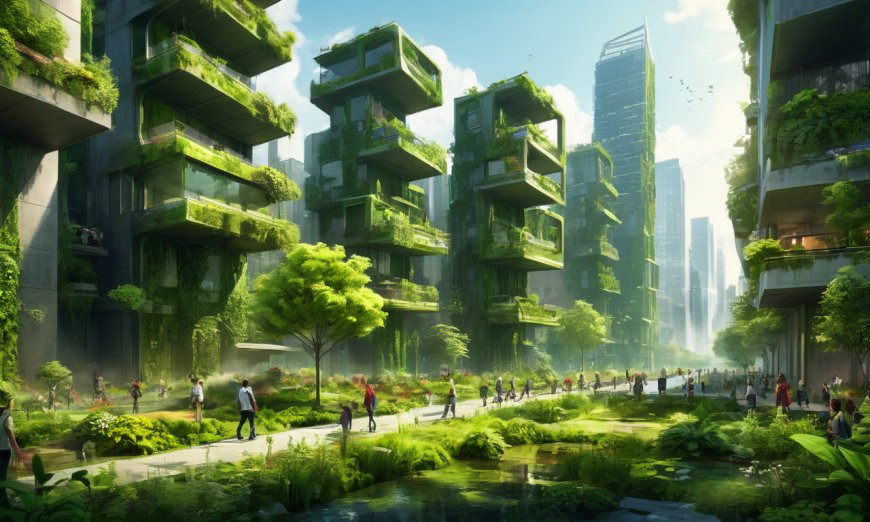


As cities around the world continue to expand, the importance of incorporating nature into urban environments becomes increasingly evident. Urban green spaces—parks, gardens, tree-lined streets, and nature reserves—play a critical role in enhancing the quality of life in cities. These green areas not only provide aesthetic and recreational value but also offer numerous benefits for human health, biodiversity, and climate resilience. In this article, we will explore the importance of urban green spaces and how cities can effectively integrate more nature into their planning for a healthier and more sustainable future.
The Benefits of Urban Green Spaces
- Human Health and Well-being
Urban green spaces have a profound impact on physical and mental health. Studies have shown that spending time in nature, even in urban settings, can reduce stress, improve mood, and enhance cognitive function. Access to parks and green spaces encourages physical activity, which is essential for maintaining cardiovascular health, reducing obesity, and improving overall well-being.
Green spaces also promote social interaction, creating opportunities for communities to come together, fostering a sense of belonging and connection. In cities with high population densities, these areas offer residents a much-needed respite from the hustle and bustle of urban life, providing a peaceful environment to relax, exercise, or simply enjoy nature.
- Biodiversity Support
Urban green spaces serve as vital habitats for a wide range of plant and animal species. By preserving and enhancing these areas, cities can promote biodiversity and support the survival of local wildlife. Green corridors, such as tree-lined streets or riverbanks, allow species to move through the city and access different habitats, which is especially important for pollinators like bees and butterflies, as well as migratory birds.
Biodiverse urban green spaces also contribute to ecosystem health by maintaining natural processes, such as pollination, pest control, and nutrient cycling. These natural functions help to create more resilient urban ecosystems, capable of withstanding environmental stresses.
- Climate Resilience and Environmental Benefits
Urban areas are particularly vulnerable to the impacts of climate change, including rising temperatures, increased rainfall, and more frequent heatwaves. Urban green spaces play a critical role in mitigating these effects by providing shade, cooling the air, and absorbing excess rainwater. This is especially important in dense, built-up areas, where the "urban heat island" effect—caused by heat absorption from concrete, asphalt, and buildings—can lead to significantly higher temperatures.
Green spaces, such as parks and street trees, help cool cities by providing shade and through a process known as evapotranspiration, where plants release moisture into the air. In addition, urban forests and gardens act as natural flood controls by absorbing rainwater and reducing runoff, which helps to prevent flash floods during heavy rainfall.
Urban green spaces also contribute to climate mitigation by sequestering carbon dioxide from the atmosphere. Trees, in particular, play a key role in carbon storage, helping to reduce greenhouse gas emissions and combat global warming.
How Cities Can Integrate More Nature Into Urban Planning
- Incorporating Green Spaces into City Infrastructure
Cities can incorporate nature into urban planning by prioritizing the creation and preservation of green spaces during infrastructure development. This can include integrating parks, community gardens, green roofs, and urban forests into city landscapes. Green infrastructure, such as rain gardens and permeable pavements, can also be used to manage stormwater and reduce flooding while providing aesthetic and environmental benefits.
Planners should ensure that green spaces are distributed equitably across urban areas, particularly in underserved neighborhoods where residents may have limited access to nature. Public parks, plazas, and green corridors should be within walking distance of all residents, promoting inclusivity and accessibility.
- Tree Planting and Urban Forests
Tree planting is one of the most effective ways to introduce more green into cities. Urban forests and tree-lined streets provide shade, reduce air pollution, and enhance the beauty of urban landscapes. Cities can implement tree-planting initiatives to increase canopy cover, which improves air quality, lowers temperatures, and enhances biodiversity.
To maximize the benefits of tree planting, cities should prioritize native species that are adapted to the local environment and require less maintenance. Native trees support local wildlife and are more resilient to pests and diseases, ensuring long-term ecological health.
- Green Roofs and Vertical Gardens
In densely populated cities with limited space for traditional parks, green roofs and vertical gardens offer an innovative solution. These "living" roofs and walls not only add greenery to the urban landscape but also provide insulation for buildings, reducing energy consumption for heating and cooling. Green roofs can absorb rainwater, reducing runoff and lowering the risk of urban flooding.
Vertical gardens, or "living walls," can be installed on building exteriors or within courtyards, creating a natural aesthetic while contributing to air purification and cooling. Both green roofs and vertical gardens can be used to create urban oases in areas with limited space for ground-level greenery.
- Promoting Urban Agriculture
Urban agriculture, including community gardens, rooftop farms, and urban orchards, provides cities with a way to produce food locally while promoting sustainability. These green spaces offer residents the opportunity to grow their own fruits, vegetables, and herbs, fostering a connection to nature and improving food security.
Urban agriculture also supports biodiversity by attracting pollinators and other beneficial species to city environments. Cities can promote urban farming by providing land, resources, and support for community-led initiatives, which contribute to local food production and sustainable living.
- Collaborative and Community-Driven Initiatives
Community involvement is essential for the success of urban green space initiatives. Cities should work closely with residents, local organizations, and businesses to plan, design, and maintain green spaces. Participatory planning processes, where community members have a say in the development and management of local parks and gardens, ensure that green spaces meet the needs of diverse populations.
Public awareness campaigns and educational programs can also encourage citizens to engage with urban nature and adopt environmentally friendly practices, such as tree planting, gardening, and wildlife conservation.
A Little Fun Fact
Oh, and by the way, did you know that the High Line in New York City—a public park built on a historic elevated railway track—has become one of the most famous urban green spaces in the world? This innovative park demonstrates how cities can creatively repurpose infrastructure to integrate nature into the urban environment.
Conclusion
Urban green spaces are essential for creating healthier, more livable cities. From enhancing human well-being to supporting biodiversity and building climate resilience, the benefits of incorporating nature into urban planning are vast. As cities continue to grow, it is vital to prioritize the creation and preservation of green spaces to ensure that future generations have access to the many benefits they provide.
And if you love solving environmental mysteries and exploring the wonders of nature, don’t forget to check out our word puzzle game, Sly Puzzle Games. It's a great way to keep your brain sharp and entertained. Happy exploring!