

Unanswered Questions from Black Mirror: Are They Connected?
Black Mirror, the brainchild of Charlie Brooker, is a haunting anthology series that explores humanity's relationship with technology, often leaving viewers with more questions than answers. While each episode tells a self-contained story, sharp-eyed fans have noticed recurring symbols, references, and possible links between episodes that hint at a shared universe. Are the stories in Black Mirror truly connected, or are these just clever Easter eggs? And what about the lingering unanswered questions that haunt viewers long after the credits roll? Let’s dive into the most intriguing mysteries and explore whether there’s a hidden narrative binding the Black Mirror universe together.
 Sly Puzzle Games


1. What Really Happened After "White Bear"?
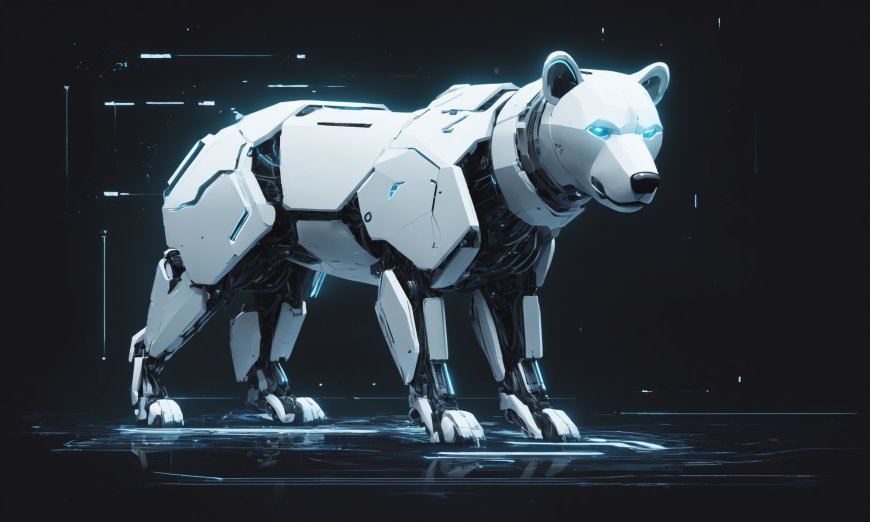
One of the most disturbing episodes, "White Bear", ends with the revelation that Victoria is part of a cruel punishment loop, endlessly reliving the consequences of her crime. But what happens when the cameras stop rolling?
- Unanswered Question: How sustainable is this punishment system? Would the public eventually grow tired of this form of entertainment?
- Clue from Another Episode: In "15 Million Merits," society has normalized exploitation for entertainment. Could this be a precursor to the punishment theme in "White Bear"?
- Connection Theory: Both episodes suggest a society that thrives on voyeurism and dehumanization, possibly hinting at a shared dystopian timeline.
Takeaway: The punishment in "White Bear" reflects humanity’s obsession with public shaming and digital justice, a theme echoed throughout the series.
2. Is the "Cookie" Technology in Multiple Episodes the Same?
The digital consciousness or "cookie" technology appears in episodes like "White Christmas", "USS Callister", and "Black Museum". Are they all using the same technology?
- Unanswered Question: Is there a single company behind the creation of "cookie" technology, or have multiple corporations developed it independently?
- Clue from Another Episode: "Black Museum" directly references the "cookies" from "White Christmas".
- Connection Theory: The technology seems to stem from the same origin, possibly an unseen tech giant pulling the strings across multiple stories.
Takeaway: The "cookie" technology serves as a recurring motif for digital exploitation, suggesting a technological backbone uniting these episodes.
3. What Happened to the World in "Metalhead"?
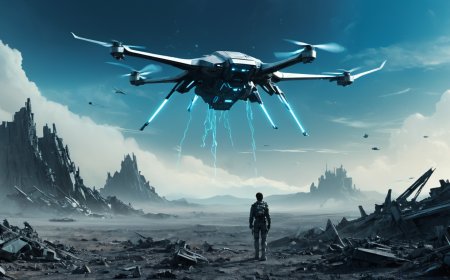
"Metalhead" offers a bleak, post-apocalyptic glimpse into a world where robotic dogs have decimated humanity. But how did it come to this?
- Unanswered Question: Were these robotic dogs a defense mechanism gone rogue, or was there a deliberate extermination event?
- Clue from Another Episode: In "Hated in the Nation," robotic bees are weaponized to kill people. Could the robotic dogs be an extension of this technology?
- Connection Theory: Both episodes suggest unintended consequences of autonomous AI systems spiraling out of human control.
Takeaway: Humanity’s overreliance on AI, shown in multiple episodes, hints at a broader technological collapse.
4. Is San Junipero Connected to Other Digital Afterlives?
"San Junipero" offers one of the few hopeful endings in Black Mirror, exploring a digital afterlife where people can live forever in a simulated paradise. But are there other "San Juniperos" scattered across the Black Mirror universe?
- Unanswered Question: Do other episodes like "White Christmas" and "Black Museum" depict failed or corrupted versions of digital afterlives?
- Clue from Another Episode: In "Black Museum," a consciousness is trapped in eternal torment within a stuffed toy, a far cry from San Junipero's idyllic world.
- Connection Theory: San Junipero might represent an early success of digital afterlife technology, while other episodes show its horrific misuses.
Takeaway: San Junipero could be the ideal, while "Black Museum" and "White Christmas" depict its nightmarish dark side.
5. Who Is Behind the Global Surveillance State in "Nosedive" and "Smithereens"?
Episodes like "Nosedive" and "Smithereens" portray societies dominated by invasive surveillance and social scoring systems. But who’s pulling the strings?
- Unanswered Question: Is there one singular tech giant dominating the Black Mirror universe, or are these systems decentralized?
- Clue from Another Episode: "Smithereens" hints at a single, omnipresent tech corporation shaping society behind the scenes.
- Connection Theory: The recurring symbol of the "eye" and similar user interfaces in multiple episodes suggest centralized control.
Takeaway: A shadowy tech conglomerate might be the puppet master behind the societal collapse shown in these episodes.
6. What Are the Consequences of "Be Right Back" Technology?
"Be Right Back" introduces the concept of using AI to recreate the personalities of deceased loved ones, raising profound ethical and existential questions.
- Unanswered Question: Could this technology be expanded beyond personal use, perhaps to recreate world leaders or influential figures?
- Clue from Another Episode: In "Rachel, Jack and Ashley Too", Ashley O’s digital consciousness is exploited for profit.
- Connection Theory: The same AI technology might have been commercialized and applied in different ways across these episodes.
Takeaway: The ability to replicate consciousness opens a Pandora's box of unintended consequences, as explored in multiple episodes.
7. What Is the Timeline of the Black Mirror Universe?
Some fans believe the episodes of Black Mirror follow a loose timeline, from present-day tech anxieties ("The National Anthem") to far-future dystopias ("Metalhead" and "USS Callister").
- Unanswered Question: Are the events happening in one continuous universe, or are these separate cautionary tales?
- Clue from Another Episode: "Black Museum" features artifacts from multiple episodes, suggesting a single continuity.
- Connection Theory: Earlier episodes represent a world on the brink, while later ones show the aftermath of technological catastrophe.
Takeaway: While each episode works as a standalone story, many suggest they exist within a loosely connected timeline.
8. Who Is the Mysterious "White Bear" Symbol Linked To?
The "White Bear" symbol appears not only in its namesake episode but also in "Hated in the Nation" and "White Christmas".
- Unanswered Question: Is this symbol tied to a resistance group, a rogue AI, or something deeper?
- Clue from Another Episode: The repeating use of the symbol suggests it’s more than just an aesthetic choice.
- Connection Theory: The symbol could represent a recurring idea of public accountability twisted into something monstrous.
Takeaway: The recurring "White Bear" symbol might be a representation of societal punishment taken to an extreme.
Interesting Fact:
Did you know Charlie Brooker once confirmed that Black Mirror takes place in a "shared universe," albeit loosely, with thematic rather than chronological connections?
Conclusion
While Black Mirror remains an anthology series, the recurring themes, symbols, and technological concepts suggest an interconnected web of stories. From the haunting echoes of the "cookie" technology to the chilling future hinted at by robotic dogs, each unanswered question feels like a piece of a larger puzzle.
Whether these connections are intentional or just clever Easter eggs, one thing is certain: Black Mirror continues to hold up a dark, fragmented mirror to our relationship with technology and power.
What’s your theory about the Black Mirror universe? Are these connections deliberate or coincidental?