


Is Looper More Than Sci-Fi? What Does It Really Say About Fate?
Rian Johnson’s Looper is a time-travel thriller that captivates audiences with its intricate plot and action-packed sequences. But beneath its sci-fi exterior lies a deeply philosophical narrative that grapples with questions of fate, choice, and the consequences of our actions. By exploring the cyclical nature of violence and the possibility of breaking free from it, Looper transcends its genre, offering a meditation on whether we are truly bound by destiny or capable of shaping our own futures.
 Sly Puzzle Games
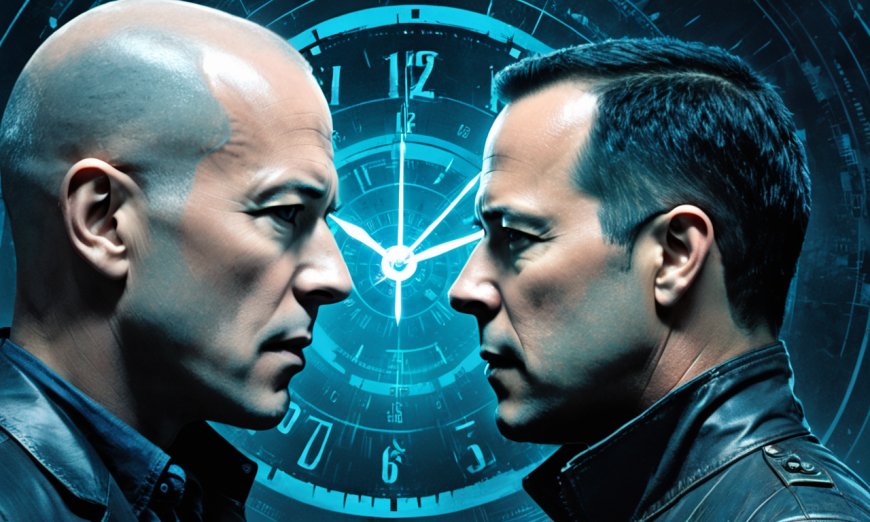


Let’s delve into the deeper themes of Looper and uncover its reflections on fate, morality, and human agency.
1. The Cycles of Violence
At the heart of Looper is the idea of cycles — particularly the perpetuation of violence across generations. The concept is embodied by the titular “loopers,” assassins who kill targets sent from the future and eventually close their loops by killing their older selves.
- Violence Breeding Violence: The film suggests that violent actions often lead to more violence, creating a cycle that’s difficult to break. This is epitomized by the Rainmaker, a future crime lord whose path of destruction stems from a traumatic childhood.
- The Loop as a Metaphor: The time loop serves as a powerful metaphor for the way cycles of harm — whether familial, societal, or personal — repeat themselves unless consciously broken.
By illustrating the cyclical nature of violence, Looper raises the question: Can we break free from destructive patterns, or are we doomed to repeat them?
2. Choice vs. Destiny
Time travel in Looper brings fate to the forefront, as characters grapple with whether their actions are predestined or malleable. Joe (Joseph Gordon-Levitt) and his older self (Bruce Willis) serve as two sides of this debate.
- Young Joe’s Perspective: Young Joe believes in living for the moment, focusing on his immediate goals rather than considering long-term consequences. His decisions are driven by selfishness and survival.
- Old Joe’s Perspective: Older Joe, haunted by regret, seeks to change the future by eliminating the Rainmaker as a child, believing he can reshape destiny through decisive action.
The film complicates the idea of fate, showing that while certain events may feel inevitable, individual choices have the power to alter outcomes.
3. The Power of Sacrifice
The film’s climax hinges on a profound act of sacrifice, as young Joe realizes the only way to stop the Rainmaker’s rise is to break the cycle of violence by ending his own life.
- Breaking the Loop: By sacrificing himself, Joe chooses to disrupt the chain of events that would lead to the Rainmaker’s creation. This act underscores the idea that selflessness can be the key to breaking destructive cycles.
- A Critique of Revenge: Old Joe’s quest for vengeance, though seemingly justified, perpetuates the very violence he seeks to prevent. Young Joe’s sacrifice offers a counterpoint, suggesting that true change requires letting go of anger and vengeance.
This moment reframes the narrative, showing that fate isn’t immutable — it can be rewritten through courage and selflessness.
4. Parenthood and Legacy
The relationship between Sara (Emily Blunt) and her son Cid (Pierce Gagnon) introduces themes of parenthood and the role it plays in shaping the future.
- The Rainmaker’s Origins: Cid’s potential to become the Rainmaker highlights how childhood experiences, particularly trauma, shape who we become. His mother’s love and guidance represent a chance to break this trajectory.
- Joe’s Role as Protector: Young Joe’s decision to save Cid reflects his understanding that nurturing and protecting the next generation is key to creating a better future.
The film’s emphasis on parenting and legacy underscores the importance of compassion and guidance in shaping the paths of those who follow us.
5. The Fluidity of Time and Identity
Time travel in Looper serves not just as a plot device but as a way to explore how our past, present, and future selves are interconnected. The relationship between young and old Joe raises questions about identity and personal growth.
- The Duality of Joe: The conflict between young and old Joe reflects the tension between self-interest and the wisdom gained through experience. Each version of Joe represents a different stage of personal growth.
- Changing the Future: The film suggests that while the future may be influenced by the past, it is not set in stone. Through self-awareness and choice, individuals can redefine their paths.
This fluidity adds a layer of complexity to the film, challenging viewers to consider how their current actions shape their future selves.
Interesting Fact
Did you know that Rian Johnson wrote Looper with Joseph Gordon-Levitt in mind for the role of young Joe? To create a believable connection between the two Joes, Gordon-Levitt spent hours studying Bruce Willis’ mannerisms and speech patterns.
Conclusion
Looper is far more than a sci-fi thriller; it’s a thought-provoking exploration of fate, morality, and the human capacity for change. By weaving together themes of violence, choice, and sacrifice, Rian Johnson crafts a narrative that challenges viewers to reflect on the cycles that define their own lives.
Through its complex characters and layered storytelling, the film asks us to consider whether we are bound by the loops of our past or capable of forging new paths. In the end, Looper offers a hopeful message: while the past may shape us, the future is ours to write.