

Could The Dark Knight Influence Modern Politics? A Closer Look at Hidden Messages
Christopher Nolan’s The Dark Knight is celebrated as a masterpiece of modern cinema, blending action with deep, complex themes that challenge the conventional superhero narrative. Beyond the film’s gripping storyline, its portrayal of morality, justice, and the cost of heroism resonates with real-world political and social issues. By exploring the darker sides of society, The Dark Knight raises questions about power, ethics, and security that feel more relevant today than ever.
 Sly Puzzle Games
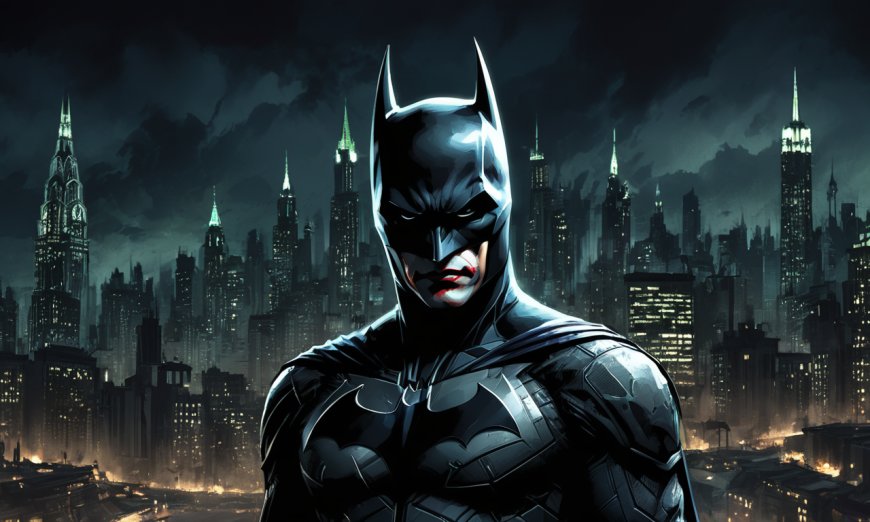


Let’s take a closer look at the hidden political messages in The Dark Knight and consider whether they could influence modern political thought.
1. Batman’s Surveillance: Security vs. Privacy
In The Dark Knight, Batman sets up a massive surveillance network, tapping into Gotham’s cell phones to track the Joker. Lucius Fox, his trusted ally, reluctantly agrees to help but warns of the dangers of unchecked surveillance. This setup reflects a real-world debate: where should the line be drawn between national security and individual privacy?
The film subtly critiques mass surveillance by showing Batman’s surveillance system as a necessary but ethically troubling choice. As audiences watch Batman grapple with the potential misuse of power, the film prompts us to question modern policies that sacrifice privacy for security. It’s a timely reminder of the ethical implications of surveillance in the name of protection, suggesting that even well-intentioned uses of power can easily be abused.
2. The Joker as a Symbol of Chaos and Anarchy
The Joker, as portrayed by Heath Ledger, embodies chaos and anarchy, challenging Gotham’s social structure and moral boundaries. Unlike traditional villains, the Joker doesn’t seek wealth or power; he simply wants to upend society’s order, exposing the fragility of social systems and people’s willingness to abandon morals when pushed to their limits.
Through the Joker’s schemes, The Dark Knight explores the psychological impact of fear and chaos on society. The Joker’s manipulation of people, pushing them toward violence and distrust, mirrors real-world tactics used to destabilize societies. The film uses the Joker to comment on the dangers of nihilism and extremism, reminding viewers of how easily fear can be weaponized to weaken social bonds and turn people against one another.
3. The Moral Ambiguity of Batman’s Actions
Unlike traditional superheroes, Batman in The Dark Knight operates outside the law, often making morally gray decisions in his quest to protect Gotham. From brutal interrogations to bending ethical boundaries, his methods raise questions about justice and vigilantism. Is it justified to break the law to uphold justice? Or do Batman’s actions contribute to the very chaos he’s trying to prevent?
The film challenges viewers to consider the price of justice and whether it’s ever acceptable to compromise ethical standards for a perceived greater good. Batman’s struggle reflects a broader debate about the role of law and order in society, questioning whether ends justify the means. This moral ambiguity encourages audiences to think critically about the balance between authority and accountability in any system of power.
4. Harvey Dent and the Corruption of Idealism
Harvey Dent, Gotham’s “White Knight,” starts as an unwavering symbol of justice, determined to clean up the city’s corruption. However, the Joker’s manipulations turn him into the villainous Two-Face, a tragic character who abandons his ideals after experiencing personal loss. Dent’s descent illustrates the fragility of idealism when confronted with trauma, grief, and disillusionment.
Harvey Dent’s transformation serves as a cautionary tale about the dangers of placing individuals on pedestals and expecting them to embody perfection. The Dark Knight suggests that even the most virtuous leaders are vulnerable to corruption and that society must guard against idealizing figures of authority. This theme resonates in the real world, where political leaders often fall prey to pressures and temptations that lead them away from their original ideals.
5. The Citizens’ Moral Dilemma on the Ferry
One of the film’s most powerful scenes occurs when the Joker traps two groups — civilians and prisoners — on separate ferries, each with the option to blow up the other to save themselves. This dilemma forces each group to confront their own morality, questioning whether survival justifies taking another life. Ultimately, neither group goes through with the act, showing that despite fear and desperation, people can choose compassion over violence.
The ferry scene serves as a commentary on moral decision-making in extreme circumstances. It challenges the audience to think about the power of choice, even when fear and survival instincts take over. By illustrating that people are capable of rejecting violence, The Dark Knight suggests that humanity’s inherent goodness can prevail over fear, making it a hopeful statement about the resilience of moral values in society.
6. Gotham as a Reflection of Corruption and Fear in Society
Gotham City itself is almost a character in The Dark Knight, representing a society plagued by crime, corruption, and a desperate need for justice. The city’s moral decay and reliance on figures like Batman reveal the dangers of systemic corruption and public despair. Gotham’s struggles mirror real-world issues of failing institutions, crime-ridden environments, and the public’s need for protection against these threats.
The portrayal of Gotham’s descent into chaos emphasizes the consequences of unchecked power and corruption. It serves as a reflection of societies that rely on extreme measures to maintain order, often at the expense of ethical standards. The Dark Knight reminds us that societal reform requires more than symbolic figures — it requires addressing the roots of corruption and fostering resilience within the community itself.
Interesting Fact
Did you know that Heath Ledger locked himself in a hotel room for a month to develop the Joker’s unique, unsettling personality? This intense preparation resulted in one of cinema’s most iconic performances, bringing a sense of realism and unpredictability that added depth to the Joker’s chaotic character.
Conclusion
The Dark Knight is more than just a superhero movie; it’s a sophisticated exploration of political, social, and ethical questions that resonate deeply with contemporary society. By examining themes of surveillance, moral ambiguity, corruption, and the power of fear, the film encourages viewers to consider the complexities of justice and authority in the real world. Through its characters and their choices, The Dark Knight challenges us to think critically about the balance between power and ethics, warning us about the dangers of relying on extreme measures to maintain order.
The film’s relevance to modern politics is a testament to Nolan’s storytelling and his ability to use the superhero genre to pose questions that transcend fiction. In a world where political leaders and institutions face constant scrutiny, The Dark Knight serves as a reminder that vigilance, empathy, and a commitment to justice are essential to building a society that values both security and freedom.