

Hidden Subtext in The Irishman: Is It a Real Story of Regret and Redemption?
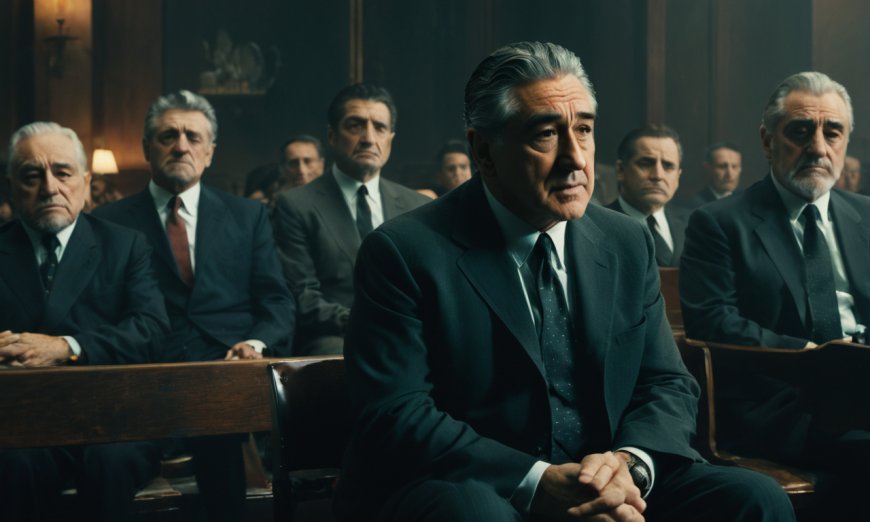
Martin Scorsese’s The Irishman is more than a sprawling mob epic; it’s a reflective meditation on loyalty, betrayal, and the heavy price of a life steeped in crime. Through the eyes of Frank Sheeran (Robert De Niro), a hitman recounting his life’s choices, the film explores the tension between power and morality, ultimately delving into themes of regret, redemption, and the loneliness that accompanies old age. While its runtime spans decades of mob history, the hidden subtext of The Irishman turns it into an introspective story about the human condition.
 Sly Puzzle Games


Let’s unpack the layers of meaning within The Irishman and uncover whether it truly offers a tale of regret and redemption.
1. Frank Sheeran: A Life of Regret
At its core, The Irishman is a confessional. Frank Sheeran’s story is not one of triumph but of loss — of family, friendships, and any semblance of peace. His involvement in the disappearance of Jimmy Hoffa (Al Pacino) marks the ultimate betrayal, leaving him emotionally and physically isolated in his final days.
- Regret Without Redemption: Unlike traditional narratives of redemption, Frank’s story lacks catharsis. His confessions are met with indifference, and his attempts to reconcile with his estranged daughter Peggy fall flat. This absence of resolution underscores the idea that not all regrets can be absolved.
- A Lifetime of Denial: Frank’s inability to express remorse fully reflects his internal struggle. He avoids confronting his actions, relying on cold pragmatism to justify his decisions, even as they cost him everything.
Through Frank, the film presents a stark portrayal of regret as a burden that cannot always be lifted, making it a haunting cautionary tale.
2. The Illusion of Loyalty
Loyalty is a central theme in The Irishman, but the film dismantles its romanticism, showing how it is often exploited for personal gain. Frank’s unwavering loyalty to mob boss Russell Bufalino (Joe Pesci) leads him to betray his closest friend, Hoffa, highlighting the corrupting power of blind allegiance.
- Transactional Relationships: The film reveals how loyalty in the mob world is rarely genuine; it’s a currency traded for power and survival. Frank’s loyalty earns him a place in the mob’s inner circle but also strips him of his humanity.
- Hoffa as a Moral Contrast: Hoffa, despite his flaws, values loyalty on a personal level, making his betrayal by Frank all the more tragic. Hoffa’s principles, though rigid, stand in stark contrast to Frank’s moral compromises.
This exploration of loyalty exposes its darker side, challenging viewers to question the cost of misplaced devotion.
3. Time as the Ultimate Judge
Scorsese uses time as a narrative device to emphasize the inevitability of consequences. The film’s non-linear structure allows viewers to see Frank’s rise and fall simultaneously, underscoring the idea that time reveals all truths.
- Aging and Reflection: The stark contrast between Frank’s younger, powerful self and his frail, elderly persona highlights the futility of his life choices. The sprawling runtime mirrors the weight of his memories, dragging him toward an inevitable reckoning.
- Loneliness as Punishment: In his old age, Frank is left with nothing but memories of his sins. His isolation is not imposed by the law but by his own actions, serving as a poetic form of justice.
Time becomes both a theme and a character in The Irishman, relentlessly stripping away Frank’s illusions and forcing him to confront his legacy.
4. The Absence of Redemption
Unlike many crime films that offer a glimmer of redemption, The Irishman denies its protagonist such solace. Frank’s life ends not with forgiveness or reconciliation but with a quiet, unremarkable death. His final act — asking the nurse to leave his door ajar — reflects his lingering hope for connection, even as he remains utterly alone.
- The Church as a Hollow Comfort: Frank’s interaction with a priest near the film’s end reflects his inability to find genuine redemption. His confession feels perfunctory, devoid of true remorse or understanding of the harm he’s caused.
- Peggy as the Moral Compass: Frank’s daughter Peggy (Anna Paquin) serves as a silent but powerful judge of his actions. Her cold estrangement is a reminder of the irreparable damage caused by his choices, further denying him redemption.
This lack of redemption subverts audience expectations, making the film a bold exploration of moral ambiguity and the long shadow of guilt.
5. The Irishman as a Reflection on Mortality
More than a mob film, The Irishman is Scorsese’s meditation on mortality and the legacy we leave behind. As a filmmaker known for glorifying the mob lifestyle in films like Goodfellas and Casino, Scorsese shifts his focus here, offering a sobering counterpoint to his earlier works.
- The Weight of Choices: The film emphasizes how every decision, no matter how seemingly inconsequential, contributes to the sum of one’s life. For Frank, these choices lead to a legacy of betrayal and isolation.
- Universal Themes: While rooted in the mob world, the film’s themes of regret, aging, and the search for meaning resonate universally, making it a deeply human story.
By focusing on Frank’s twilight years, Scorsese reminds viewers of the inevitability of mortality and the importance of living a life that leaves behind more than regret.
Interesting Fact
Did you know that Scorsese used groundbreaking de-aging technology to allow Robert De Niro, Al Pacino, and Joe Pesci to play their characters across multiple decades? Despite the tech, the actors’ nuanced performances are what truly bring the characters’ evolution to life.
Conclusion
The Irishman is more than a tale of mob intrigue; it’s a profound exploration of regret, loyalty, and the human desire for redemption. Through Frank Sheeran’s journey, Scorsese crafts a cautionary story about the choices we make and the legacies we leave behind. Unlike traditional narratives of crime and punishment, the film offers no easy answers or resolutions, leaving viewers with a haunting reflection on the consequences of a life lived without accountability.
By stripping away the glamour often associated with mob life, The Irishman becomes a deeply personal and universal story — a meditation on what it means to confront the weight of one’s past as time runs out.