

Dune vs. Star Wars: What Makes Each Sci-Fi Universe Unique?
Science fiction has given us some of the most iconic universes in storytelling, but few compare to the expansive worlds of Dune and Star Wars. While both feature epic battles, compelling characters, and intricate political landscapes, they are fundamentally different in tone, themes, and approach to world-building. So, what sets these two sci-fi giants apart, and why do they resonate so deeply with audiences? Let’s explore what makes Dune and Star Wars distinct, from their origins to their influence on the genre.
 Sly Puzzle Games
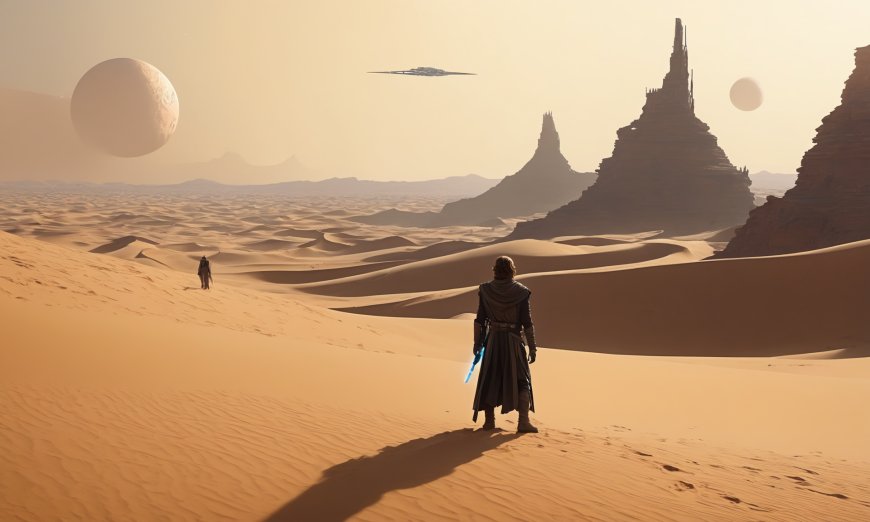


1. Origins and Inspirations
While Dune and Star Wars share thematic similarities, their creators had vastly different inspirations and goals.
- Dune: Frank Herbert’s 1965 novel Dune was heavily influenced by ecological concerns, political intrigue, and philosophical questions about power and religion. It’s a cerebral story that examines the consequences of leadership and resource control.
- Star Wars: George Lucas created Star Wars as a modern myth, drawing on Joseph Campbell’s The Hero with a Thousand Faces. Its focus on the hero’s journey and good vs. evil made it more accessible and universally appealing.
Takeaway: Dune leans toward intellectual complexity, while Star Wars embraces archetypal storytelling and emotional resonance.
2. World-Building: Intricate vs. Expansive
Both universes are rich in detail, but they take different approaches to creating their worlds.
- Dune:
- The world-building is deeply rooted in political systems, ecological science, and cultural traditions.
- The desert planet of Arrakis is central to the story, symbolizing both scarcity and power.
- Herbert’s universe is complex and often overwhelming, requiring readers to decode its intricacies.
- Star Wars:
- The galaxy is vast and varied, with a focus on visually striking planets and memorable settings.
- While politics play a role, the story prioritizes adventure, romance, and action over intricate detail.
- The universe feels expansive, allowing for endless spin-offs and creative storytelling.
Takeaway: Dune thrives on detail and depth, while Star Wars excels in creating a sense of limitless adventure.
3. Themes: Philosophy vs. Heroism
The themes of Dune and Star Wars reflect their distinct narrative priorities.
- Dune:
- Explores the corrupting influence of power and the dangers of messianic figures.
- Focuses on ecological sustainability, colonialism, and the balance between tradition and progress.
- Its philosophical tone challenges readers to think critically about leadership and humanity’s role in nature.
- Star Wars:
- Celebrates hope, redemption, and the triumph of good over evil.
- Examines the balance between personal choice and destiny, particularly through the Force.
- Its optimistic tone appeals to universal emotions and inspires resilience.
Takeaway: Dune is a cautionary tale about power, while Star Wars offers a hopeful vision of heroism and redemption.
4. Characters: Realism vs. Archetypes
The characters in Dune and Star Wars serve different narrative purposes, reflecting their respective tones.
- Dune:
- Paul Atreides is a reluctant hero whose rise to power highlights the dangers of charismatic leadership.
- Characters like the Bene Gesserit and the Fremen are deeply tied to the story’s philosophical and ecological themes.
- The characters are morally ambiguous, reflecting the complex realities of political power.
- Star Wars:
- Luke Skywalker embodies the classic hero’s journey, evolving from a farm boy to a savior of the galaxy.
- Villains like Darth Vader and Emperor Palpatine are larger-than-life figures representing absolute evil.
- The characters are archetypal and accessible, making them instantly memorable.
Takeaway: Dune prioritizes complexity and realism, while Star Wars thrives on archetypes and relatability.
5. Visual and Cinematic Style
On the big screen, Dune and Star Wars have distinct visual identities that reflect their themes.
- Dune:
- Denis Villeneuve’s adaptation is visually stunning, emphasizing realism and the harsh beauty of Arrakis.
- The cinematography uses muted tones and minimalist designs to convey the story’s somber and introspective nature.
- The use of practical effects and immersive soundscapes adds to its grounded feel.
- Star Wars:
- Known for its vibrant colors, dynamic action sequences, and groundbreaking special effects.
- Iconic visuals like lightsabers, the Death Star, and the Millennium Falcon create a sense of wonder and excitement.
- Its fast-paced editing and epic musical score heighten the sense of adventure.
Takeaway: Dune embraces a grounded, artful approach, while Star Wars prioritizes spectacle and energy.
6. Legacy and Influence
Both Dune and Star Wars have had a lasting impact on the science fiction genre, but in different ways.
- Dune:
- Inspired countless sci-fi works, including Star Wars itself, with its intricate world-building and philosophical depth.
- Its themes of environmentalism and power dynamics remain highly relevant today.
- Star Wars:
- Revolutionized filmmaking with its use of special effects, sound design, and merchandising.
- Its success paved the way for the modern blockbuster era, influencing countless franchises.
Takeaway: Dune shaped sci-fi as literature, while Star Wars redefined sci-fi as entertainment.
Interesting Fact:
George Lucas openly credited Dune as an influence on Star Wars. Elements like the desert planet of Tatooine, the concept of a chosen one, and spice as a valuable resource all draw inspiration from Herbert’s novel.
Conclusion
Dune and Star Wars are two sides of the same sci-fi coin—both exploring universal themes through vastly different lenses. While Dune challenges us to think deeply about power, environment, and humanity’s flaws, Star Wars inspires hope and reminds us of the power of heroism and community. Together, they showcase the versatility and richness of the science fiction genre.
Which universe resonates more with you? Are you drawn to the cerebral world of Dune, or does the adventurous spirit of Star Wars capture your imagination?