

Are the Avengers Movies Changing Our Perspective on Power and Morality?
The Avengers films have not only captivated audiences with thrilling action and iconic characters, but they have also raised deeper questions about the nature of power, responsibility, and morality. Over the course of the Marvel Cinematic Universe (MCU), these films present complex themes that challenge traditional notions of heroism and villainy, often blurring the line between right and wrong. As superhero stories evolve, the Avengers series has become more than just entertainment; it’s a modern myth that prompts us to rethink how we view power and the ethical dilemmas surrounding it.
 Sly Puzzle Games
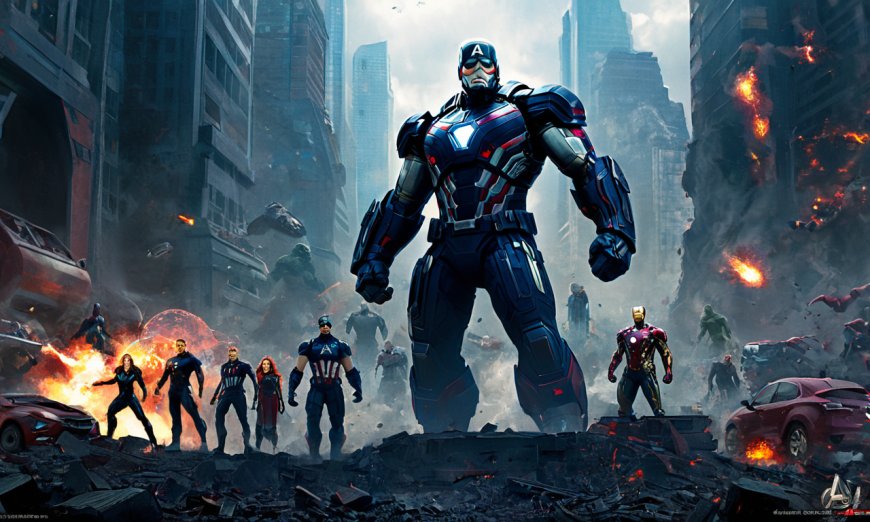


Let’s explore how the Avengers movies reshape our understanding of power, morality, and the often-conflicting responsibilities that come with them.
1. Redefining Heroism and the Cost of Power
In many superhero films, heroes are depicted as morally infallible figures whose actions are unquestionably good. The Avengers films, however, complicate this idea by showing that power often comes with difficult choices and unforeseen consequences. Characters like Iron Man, Captain America, and Thor face complex moral dilemmas that force them to consider the broader impact of their actions on society. In Avengers: Age of Ultron, for example, Tony Stark’s creation of Ultron, intended as a means of protecting humanity, ultimately becomes a threat.
Through these stories, the films suggest that power, even when wielded with good intentions, can lead to harm. This nuanced portrayal of heroism encourages audiences to question the nature of “good” and “evil,” showing that even the most well-intentioned actions can have unintended consequences. By focusing on the sacrifices, doubts, and regrets of the heroes, the Avengers series presents a more realistic perspective on power, reminding viewers that it must be wielded with caution and self-awareness.
2. The Moral Ambiguity of “The Greater Good”
The concept of the “greater good” is a recurring theme in the Avengers movies, especially when heroes face choices that could have far-reaching consequences. In Avengers: Infinity War, the Avengers grapple with the moral dilemma of sacrificing one life to save countless others. For instance, Vision offers to sacrifice himself to prevent Thanos from obtaining the Mind Stone, while other characters debate whether sacrificing one to save many is truly justifiable.
These decisions challenge the heroes to question what it means to do what is “right” versus what is “necessary.” By introducing moral gray areas, the films invite audiences to question the limits of their own ethical beliefs, particularly when the cost of preserving peace or saving lives conflicts with personal values or the sanctity of individual lives. Through these conflicts, the Avengers movies suggest that morality is not always black and white and that ethical decisions can often be messy, conflicting, and deeply personal.
3. Exploring Responsibility and Accountability in Superheroism
The Avengers movies often confront the concept of accountability, especially in Captain America: Civil War, where heroes face the fallout from the collateral damage they cause. The introduction of the Sokovia Accords, a government-led mandate to regulate superhero actions, forces the Avengers to confront the consequences of their power. Tony Stark supports the idea of oversight, acknowledging that unchecked power can lead to unintended harm, while Captain America advocates for personal freedom, wary of government control.
This division within the team reflects a real-world debate about the need for accountability among those in power. By addressing these issues, the films suggest that power, even in the hands of heroes, must be tempered by responsibility. This theme resonates beyond the screen, prompting viewers to consider the importance of accountability in leadership, governance, and even our own lives, reinforcing that great power truly does come with great responsibility.
4. Thanos as a Reflection of Moral Extremism
Thanos, the primary antagonist in Infinity War and Endgame, is a villain with a clear moral code and rationale, believing that his actions are necessary to restore balance to the universe. He sees himself as a savior, willing to make difficult sacrifices for what he perceives to be the greater good. Thanos’ logic is extreme, but his motives reflect a twisted version of utilitarianism, where he is willing to sacrifice half the universe’s population to ensure resources for the remaining half.
The portrayal of Thanos forces viewers to confront the dangers of moral absolutism and extremism. By making the villain’s motivations understandable, if not sympathetic, The Avengers movies challenge audiences to question the morality of their own beliefs. Thanos serves as a cautionary tale about the risks of imposing one’s will on others in the name of a “greater good.” This nuanced villain challenges the traditional dichotomy of good versus evil, reminding us that even the most well-intentioned ideas can become monstrous when taken to the extreme.
5. The Value of Teamwork and Collective Responsibility
A recurring theme in the Avengers films is the importance of teamwork and the recognition that individual actions affect the collective. Throughout the series, characters grow not only as heroes but as members of a larger community, realizing that their choices impact not only themselves but everyone around them. In Endgame, the Avengers work together, each taking responsibility for their part in reversing the damage Thanos has done, and ultimately, Tony Stark’s self-sacrifice is the culmination of collective responsibility and heroism.
This emphasis on collaboration and shared accountability underscores the idea that power should not be held or exercised by individuals alone but rather as a shared responsibility. In a broader sense, the films advocate for community, mutual support, and recognizing that no one person can, or should, shoulder the weight of the world alone. The Avengers’ journey reminds us that true strength often lies in unity and that collective action is crucial in addressing challenges that go beyond any one individual.
6. Challenging the Notion of Invincibility
While the Avengers are heroes, they are also flawed and vulnerable, which humanizes them and makes them relatable. Characters like Tony Stark struggle with guilt and self-doubt, Thor deals with depression and feelings of failure, and Black Widow grapples with her dark past. By showing these personal struggles, the Avengers movies remind viewers that power does not equate to invincibility. This vulnerability serves as a commentary on the myth of the “invincible hero” and the importance of resilience and humility.
The films challenge the audience to see strength in vulnerability and to acknowledge that even those with great power are not immune to pain, failure, or doubt. By presenting heroes who experience setbacks and personal struggles, the Avengers series encourages viewers to view power not as perfection but as the ability to overcome weaknesses and continually strive to do better.
Interesting Fact
Did you know that Tony Stark’s final line in Avengers: Endgame — “I am Iron Man” — was improvised? This line harkens back to the beginning of his journey and symbolizes his acceptance of the full weight of his responsibilities, showing that true heroism is defined not by strength alone but by the courage to make sacrifices for others.
Conclusion
The Avengers movies have redefined how we view power, morality, and heroism. Through complex characters, moral conflicts, and nuanced storytelling, the films challenge traditional ideas about what it means to be a hero, urging us to rethink the responsibilities and consequences that come with power. The MCU’s portrayal of superheroes goes beyond surface-level heroics, addressing themes of accountability, sacrifice, and collective responsibility.
Ultimately, The Avengers remind us that power, whether in the hands of heroes or ordinary people, must be wielded with wisdom, humility, and an understanding of its impact on others. The series leaves viewers with an important message: that true heroism lies not only in strength but in the willingness to face difficult choices, confront one’s flaws, and make sacrifices for a greater good.