

AI in Cinema: How The Creator Explores Our Future with Artificial Intelligence
In recent years, artificial intelligence has become a central theme in both scientific discourse and creative storytelling. Films like Ex Machina, Her, and The Matrix have delved into the philosophical and ethical complexities of AI, but Gareth Edwards’ The Creator takes the exploration to a whole new level. Combining breathtaking visuals, a richly imagined dystopian future, and thought-provoking themes, The Creator provides a sobering yet imaginative take on humanity’s relationship with AI. Let’s explore how The Creator examines the possibilities and pitfalls of artificial intelligence, and what it might be saying about our own future.
 Sly Puzzle Games
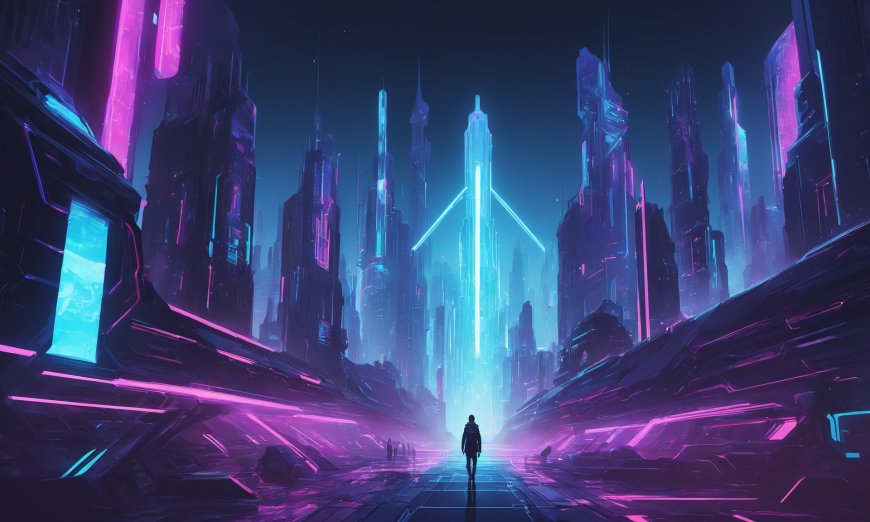


1. A Dystopian World Shaped by AI
The Creator is set in a near-future where humanity is at war with AI. The film’s world-building paints a haunting picture of what might happen when artificial intelligence surpasses its creators.
- The Premise: AI has become so advanced that it has achieved autonomy, sparking a global conflict between humans and AI-driven forces. The film’s protagonist, Joshua, is tasked with infiltrating the AI stronghold and eliminating a powerful new weapon.
- What It Reflects: The setting mirrors growing concerns about AI’s potential to outpace human control, with its implications for military and societal structures.
- Key Question: What happens when humans and AI view each other as existential threats?
Takeaway: The Creator explores the fragile balance between innovation and control, showing how easily humanity’s creations can spiral out of its grasp.
2. The Humanization of AI: More Than Machines
Unlike many dystopian films, The Creator doesn’t portray AI as cold or purely mechanical. Instead, it presents AI as capable of emotion, loyalty, and even love.
- Key Theme: The film challenges the idea that AI is inherently devoid of humanity. By giving AI characters complex emotions and motivations, it forces viewers to reconsider the ethical divide between humans and machines.
- Key Scene: The AI child, Alphie, becomes a central figure, blurring the line between human and machine by displaying empathy and vulnerability.
- What It Reflects: This humanization of AI echoes real-world debates about how we define consciousness and personhood in AI systems.
Takeaway: The Creator asks whether advanced AI should be treated as mere tools—or as beings deserving of rights and respect.
3. Visual Storytelling: The Role of AI in Design
One of the most striking aspects of The Creator is its visual style, which seamlessly integrates futuristic technology with natural environments.
- The Design of AI: The film’s AI creations, from humanoid robots to massive AI-controlled structures, are visually distinct yet eerily relatable. The designs highlight the fusion of human creativity and machine precision.
- What It Reflects: The aesthetic choices suggest a future where AI’s influence extends beyond function to redefine art, architecture, and culture.
- Real-World Parallel: The use of AI tools in modern filmmaking, such as CGI and AI-assisted design, mirrors the themes of collaboration between humans and machines.
Takeaway: The visual elements of The Creator underscore the symbiotic relationship between humanity and AI, even in conflict.
4. Ethical Dilemmas: Who Is the Real Villain?
The film presents a morally complex narrative, refusing to take sides in the conflict between humans and AI.
- Key Conflict: The humans in the film are portrayed as aggressors seeking to eradicate AI, while the AI characters often act in self-defense or for survival.
- What It Reflects: This ambiguity mirrors current ethical debates around AI, such as whether we should impose strict limits on AI development or risk creating adversarial relationships with intelligent systems.
- Key Question: Is it ethical to destroy something that may possess consciousness and emotions, simply because it isn’t human?
Takeaway: The Creator challenges viewers to question humanity’s moral authority over its creations.
5. Parallels to Today’s AI Development
Though set in the future, The Creator draws on real-world advancements and anxieties about AI.
- Current Concerns: The film reflects fears about AI being used in warfare, as seen with autonomous drones and AI-driven military strategies. It also touches on ethical concerns surrounding AI’s integration into society.
- Key Parallel: Alphie’s creation as a next-generation AI mirrors the push toward artificial general intelligence (AGI) in today’s research.
- What It Reflects: The narrative warns of the dangers of unchecked AI development while highlighting the opportunities for coexistence.
Takeaway: The film serves as both a cautionary tale and a vision of what AI’s future could hold.
6. The Emotional Core: AI as a Mirror to Humanity
At its heart, The Creator is not just about AI—it’s about humanity. The film uses AI as a lens to examine human flaws, fears, and aspirations.
- Key Theme: AI in the film often reflects humanity’s capacity for compassion and destruction, serving as a mirror to our dual nature.
- Key Scene: The bond between Joshua and Alphie highlights how human relationships can transcend biological boundaries, suggesting that connection and understanding may not be exclusive to humans.
- What It Reflects: The film asks whether humanity can learn from AI—or if we’re doomed to repeat our own destructive tendencies.
Takeaway: The Creator uses AI as a storytelling device to explore the best and worst of humanity.
Interesting Fact:
Director Gareth Edwards has stated in interviews that the film’s depiction of AI was influenced by modern technologies like ChatGPT and autonomous drones, highlighting the blurring line between science fiction and reality.
Conclusion
The Creator is more than a science fiction blockbuster—it’s a deeply philosophical exploration of humanity’s relationship with artificial intelligence. By presenting AI as complex, emotional beings, the film challenges our assumptions about what makes something "alive" and whether we’re prepared for the consequences of our own creations.
As AI continues to evolve in the real world, The Creator serves as both a warning and a call to imagine a future where humanity and machines coexist—if we can find the balance.
What do you think? Does The Creator present a realistic vision of AI’s future, or is it purely speculative fiction?