

Secret References in The Witcher That Only Book Fans Noticed
Netflix's The Witcher series, based on Andrzej Sapkowski's beloved book series, is filled with epic battles, complex characters, and a sprawling fantasy world. But beyond the flashy sword fights and political intrigue, the show hides a treasure trove of subtle references and nods to the original books that only die-hard fans of Sapkowski's work are likely to catch. From obscure dialogue to background details, let’s uncover the hidden gems that book readers will recognize — and casual viewers might have missed.
 Sly Puzzle Games


1. The Brokilon Forest and the Dryads
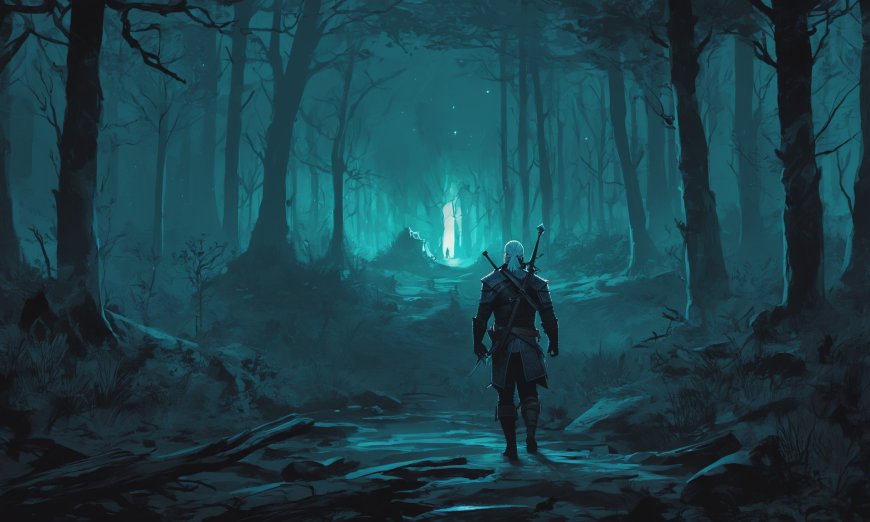
In Season 1, we briefly visit the Brokilon Forest, home to the Dryads. While the show explores this mystical place, it omits some fascinating details from the books.
- Book Reference: In The Sword of Destiny, Brokilon isn’t just a magical forest — it’s a place of refuge and strict rules. The dryads only allow women and children to stay, and those who drink the waters of the forest lose their memories and become part of Brokilon forever.
- Hidden Detail: The subtle way the water affects Ciri in the show is a nod to this book lore, though its full implications aren’t deeply explored.
Takeaway: The Brokilon arc is much richer in the books, and the show's depiction offers small winks to the original material.
2. Geralt’s Monologue About Destiny
Geralt’s complicated relationship with destiny is a central theme in both the books and the show, but one particular monologue stands out.
- Book Reference: In The Last Wish, Geralt speaks about destiny being a double-edged sword, a concept mirrored almost word-for-word in the show when he discusses his bond with Ciri.
- Hidden Detail: The show replicates several key lines from Geralt’s internal monologues in the books, showing his disdain for being bound by fate.
Takeaway: These moments reveal the depth of Geralt’s conflict — a man of free will trapped by forces beyond his control.
3. Jaskier’s Song Lyrics Reference Lesser-Known Book Events
Jaskier’s (or Dandelion’s) catchy songs are a highlight of the show, but some of the lyrics carry deeper meanings drawn straight from the books.
- Book Reference: In Blood of Elves, Dandelion’s songs often act as historical retellings of events and foreshadowing for the larger plot.
- Hidden Detail: Some lyrics from Toss a Coin to Your Witcher subtly reference events from The Sword of Destiny, particularly Geralt’s struggles with moral choices.
Takeaway: Jaskier isn’t just comic relief — his songs serve as poetic commentary on the story’s deeper themes.
4. The Law of Surprise: More Than Just a Plot Device
The "Law of Surprise" is a recurring theme in both the show and the books, but the subtle nuances of how it works are better understood by book fans.
- Book Reference: In The Last Wish, the Law of Surprise is not just a magical rule but a commentary on fate and how destiny weaves through lives in unpredictable ways.
- Hidden Detail: In the show, Geralt hesitates before invoking the Law of Surprise, mirroring his hesitation in the books where he deeply fears the consequences of such a binding agreement.
Takeaway: The Law of Surprise isn’t just plot convenience — it’s a metaphor for fate’s cruel humor.
5. Yennefer’s Obsession with Motherhood
Yennefer’s infertility and her desperate desire to become a mother are explored heavily in the show, but book readers will recognize the deeper layers of her pain.
- Book Reference: In The Tower of the Swallow, Yennefer openly expresses her regret about her choice to trade fertility for power.
- Hidden Detail: The show includes small visual cues, like Yennefer lingering around children or her gaze softening when she sees mothers with babies.
Takeaway: Yennefer’s struggle with her infertility is more psychological than magical — a reflection of her vulnerability hidden beneath her powerful facade.
6. The White Flame: Emperor Emhyr’s Secret Identity
The mysterious White Flame is frequently mentioned in the show, but book fans already know his shocking true identity.
- Book Reference: In Time of Contempt, it’s revealed that Emperor Emhyr var Emreis is actually Ciri’s father, hidden under a false identity.
- Hidden Detail: The show drops cryptic hints, such as when Emhyr discusses Ciri’s importance with an unusual level of personal concern.
Takeaway: Knowing Emhyr’s true identity adds an extra layer of tension to every scene where his agents hunt for Ciri.
7. Triss Merigold’s Characterization
In the show, Triss is portrayed as a kind-hearted mage with a caring demeanor, but book fans will recognize her deeper internal struggles.
- Book Reference: In Blood of Elves, Triss has a complicated relationship with Geralt and Yennefer, often feeling like an outsider.
- Hidden Detail: Some of her quieter moments in the show — like her hesitation around Yennefer — subtly reference her feelings of inadequacy.
Takeaway: Triss’ character is more layered in the books, and the show hints at her internal conflicts in small ways.
8. The Wild Hunt: A Foreboding Presence
The Wild Hunt is briefly shown in Season 2, but book fans know their importance as harbingers of doom.
- Book Reference: In Time of Contempt, the Wild Hunt is revealed as a spectral army tied to Ciri’s Elder Blood and a major threat to the world.
- Hidden Detail: The spectral appearance of the Wild Hunt on horseback mirrors their terrifying descriptions in the books.
Takeaway: The Wild Hunt isn’t just a cool visual — it’s a key part of the story’s larger cosmic stakes.
9. The Importance of Ciri’s Elder Blood
The show reveals bits and pieces about Ciri’s Elder Blood, but book readers understand just how central this is to the saga.
- Book Reference: In The Lady of the Lake, Ciri’s blood is tied to prophecies and the potential destruction — or salvation — of entire worlds.
- Hidden Detail: Small hints, like Vilgefortz’s obsession with Ciri and the mages' reactions to her power, foreshadow her larger destiny.
Takeaway: Ciri isn’t just powerful — she’s the linchpin of the entire world’s fate.
10. The Golden Dragon: Borch Three Jackdaws
Borch Three Jackdaws, the enigmatic figure from Season 1, is revealed to be a dragon. But there’s more to him than meets the eye.
- Book Reference: In The Last Wish, Borch serves as a metaphor for choice and free will, challenging Geralt’s worldview.
- Hidden Detail: His final words to Geralt in the show echo his philosophical stance in the book.
Takeaway: Borch isn’t just a dragon — he’s a symbol of the freedom Geralt strives for but never fully attains.
Interesting Fact:
Did you know Andrzej Sapkowski was directly involved in advising the showrunners for The Witcher? Some of the most faithful book-to-screen moments were overseen by him.
Conclusion
Netflix’s The Witcher isn’t just a fantasy series — it’s a love letter to Sapkowski’s books, filled with hidden details and callbacks that enrich the viewing experience for dedicated fans. From the emotional weight of the Law of Surprise to the subtle clues about Emhyr's true identity, the show weaves a tapestry that feels familiar yet fresh.
Have you caught any hidden references from the books that we missed? Let us know!