

Does Shutter Island Hide Real-Life Inspired Psychological Experiments?
Martin Scorsese’s Shutter Island is a haunting psychological thriller that blurs the line between reality and illusion, leaving viewers questioning the truth behind every scene. While the film follows U.S. Marshal Teddy Daniels (Leonardo DiCaprio) as he investigates a mysterious disappearance at Ashecliffe Hospital, its deeper narrative is an unsettling dive into trauma, mental illness, and institutional control. Beneath the surface, Shutter Island also draws subtle parallels to real-life psychological experiments and practices, hinting at the darker side of mental health treatment in the mid-20th century.
 Sly Puzzle Games


Let’s unpack the film’s hidden layers and explore whether it reflects real-life psychological experiments that once shaped mental health care.
1. Lobotomies and the Ethics of Control
One of the most chilling aspects of Shutter Island is its portrayal of lobotomies, a controversial practice that peaked in the mid-20th century. Ashecliffe Hospital represents a space where such procedures are not just treatment options but tools for societal control.
- Historical Parallels: Lobotomies were widely used in the 1940s and 1950s to treat severe mental illness, often without fully understanding their long-term consequences. Figures like Dr. Walter Freeman, who popularized the procedure, championed it despite its devastating effects.
- Control Over Dissenters: The film hints that lobotomies might also have been used to suppress individuals deemed dangerous or disruptive, raising ethical questions about the misuse of psychiatric care.
Teddy’s fear of being lobotomized mirrors real-world anxieties about losing agency and identity under the guise of medical treatment, a theme that resonates with historical abuses in mental health institutions.
2. MK-Ultra and Mind Manipulation
Shutter Island subtly alludes to experiments involving psychological manipulation and mind control, particularly through Dr. Cawley’s (Ben Kingsley) methods. While the film doesn’t explicitly mention it, the narrative draws parallels to real-life projects like MK-Ultra.
- What Was MK-Ultra?: A CIA program in the 1950s and 1960s, MK-Ultra conducted secret experiments on unwitting subjects to explore mind control, often using techniques like hypnosis, sensory deprivation, and drug-induced states.
- Ashecliffe as a Testing Ground: The hospital’s isolated setting and emphasis on psychological experimentation evoke the clandestine nature of MK-Ultra. Dr. Cawley’s experimental therapy, which blurs the line between reality and delusion, echoes these controversial practices.
The film’s eerie atmosphere and cryptic dialogue suggest that Ashecliffe might be more than just a hospital — it could symbolize the ethical gray areas of real-world psychological experiments.
3. Trauma and Memory Manipulation
The film’s exploration of Teddy’s trauma — particularly the loss of his wife and children — ties into real-life studies on memory and its malleability. Researchers have long explored how trauma impacts memory and how memories can be distorted or suppressed.
- Repressed Memory Therapy: In the mid-20th century, therapists began using techniques to recover repressed memories, often leading to debates about the accuracy of such recollections.
- Induced Realities: The hospital’s role-playing experiment, where Teddy is pushed to confront his delusions, mirrors real-life efforts to use immersive techniques to treat psychological disorders. However, these methods raise ethical questions about patient consent and the potential for harm.
By weaving trauma and memory manipulation into its narrative, Shutter Island highlights the fragility of the human mind and the ethical dilemmas inherent in tampering with it.
4. The Power of Isolation in Mental Health Treatment
The film’s setting — a remote island with a foreboding hospital — underscores the theme of isolation as both a treatment and a form of control. Historically, mental health institutions often isolated patients from society, sometimes with devastating consequences.
- Historical Context: In the mid-1900s, many psychiatric hospitals were located in remote areas, reflecting a belief that isolation could aid recovery. However, this often led to neglect and abuse.
- Ashecliffe as a Symbol: Ashecliffe embodies the darker side of such practices, where isolation becomes a tool for erasing individuals from society under the guise of care.
This portrayal critiques the dehumanization that often accompanied institutionalization, emphasizing the importance of empathy and ethical standards in mental health care.
5. Psychological Experiments: Ethics vs. Results
Dr. Cawley’s experimental therapy is positioned as a revolutionary approach to treating mental illness, but it also raises significant ethical concerns. The film questions the line between innovative treatment and unethical experimentation.
- Real-Life Comparisons: Experiments like those conducted by Dr. Ewen Cameron, a psychiatrist linked to MK-Ultra, involved drastic methods like drug-induced comas and extreme sensory deprivation, often without patient consent.
- The Human Cost: While such experiments sought to advance understanding of the human mind, they often came at the expense of the very people they aimed to help, a theme mirrored in Teddy’s journey.
This ethical ambiguity forces viewers to grapple with the moral compromises inherent in scientific progress, especially in fields as sensitive as mental health.
6. Delusion vs. Reality: The Patient as a Subject
The film’s twist — revealing that Teddy is actually a patient named Andrew Laeddis, grappling with delusions — underscores the central theme of perception versus reality. This narrative device mirrors real-life studies on how mental illness distorts one’s understanding of the world.
- Psychiatric Doubt: The film explores how patients’ accounts are often dismissed or manipulated in psychiatric care, raising questions about the reliability of both doctors and patients.
- Ethical Implications: By immersing Teddy in an elaborate role-play, the hospital blurs the line between treatment and cruelty, forcing viewers to consider whether the ends justify the means.
This duality invites reflection on how mental health treatment can both help and harm, depending on the intentions and methods of those in power.
Interesting Fact
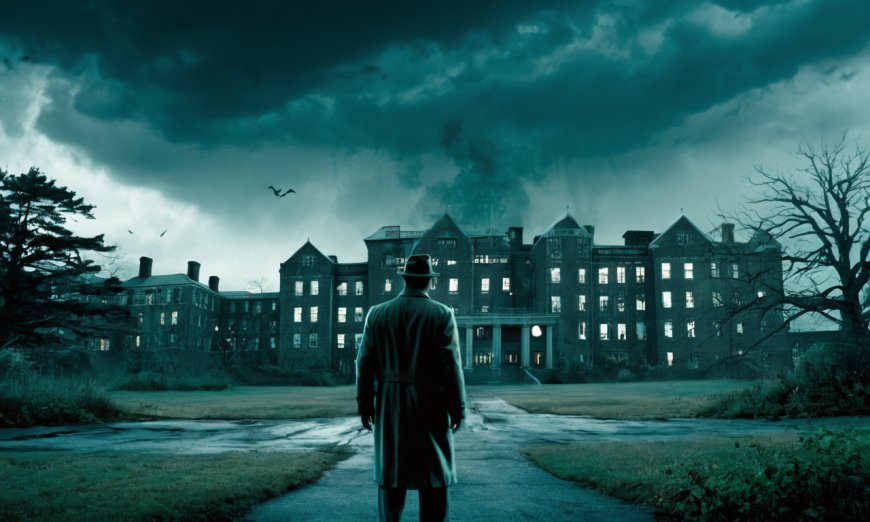
Did you know that Ashecliffe Hospital’s imposing architecture was inspired by real-life psychiatric institutions? The filmmakers used locations like the Medfield State Hospital in Massachusetts to create an authentic and eerie atmosphere, grounding the film’s fictional story in a tangible reality.
Conclusion
Shutter Island is more than a psychological thriller; it’s a haunting reflection on the ethical dilemmas and historical practices in mental health care. By drawing on real-life parallels like lobotomies, MK-Ultra, and memory manipulation, the film critiques the darker side of psychiatric experimentation while exploring profound themes of trauma, identity, and control.
Through its layered narrative and unsettling atmosphere, Shutter Island invites viewers to question the boundaries of medical ethics, the power of institutional control, and the fragile nature of human perception. It’s a story that lingers long after the credits roll, challenging us to reflect on the complexities of the human mind and the systems designed to care for it.