

The Underwater City of Yonaguni: Japan's Atlantis
Explore the mysterious underwater structures near Yonaguni Island in Japan, their origins, and possible connections to ancient civilizations.
 Sly Puzzle Games



Yonaguni Island, located off the coast of Japan, is home to one of the most intriguing underwater mysteries in the world. In the mid-1980s, a local diver discovered a series of massive, stone structures submerged off the southern coast of Yonaguni. These formations, now known as the Yonaguni Monument, have since captivated researchers and divers alike. Let’s dive into the history, theories, and mysteries surrounding this so-called Japanese Atlantis.
Discovery of the Yonaguni Monument
The Yonaguni Monument was discovered in 1986 by Kihachiro Aratake, a local diver and director of the Yonaguni-Cho Tourism Association. While exploring the seabed, he stumbled upon a series of massive, terraced structures that appeared to be man-made. These formations include flat platforms, sharp angles, straight walls, and even what looks like steps and pathways.
Theories About Their Origins
The origin and purpose of the Yonaguni Monument have been subjects of intense debate. Here are some of the leading theories:
- Natural Formations
One of the primary theories is that the Yonaguni structures are natural formations, created by tectonic activity and erosion. The region is seismically active, and some geologists argue that the rock formations could have been shaped over time by natural processes.
Interesting Fact: The island of Yonaguni is part of the Ryukyu Archipelago, which is known for its rugged underwater terrain and unique geological features.
- Ancient Civilization
Another theory suggests that the Yonaguni Monument is the remains of an ancient, submerged civilization. Proponents of this theory argue that the structures are too geometrically precise to be natural. They believe that the site could be the remnants of a city built by an unknown advanced civilization that predates recorded history.
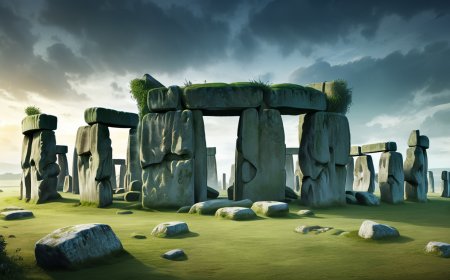
Fascinating Insight: Some researchers point to the similarity between the Yonaguni structures and other ancient megalithic sites, suggesting a possible cultural or technological connection.
- Submerged Temples or Ritual Sites
A more specific hypothesis within the ancient civilization theory is that the Yonaguni Monument could have been a ceremonial or religious site. The arrangement of the structures and their monumental scale suggest they might have held significant cultural or spiritual importance.
Evidence and Skepticism
Despite the various theories, concrete evidence supporting the man-made origin of the Yonaguni Monument is limited. Many experts remain skeptical, citing the lack of definitive artifacts or inscriptions that would clearly indicate human construction. Additionally, some argue that the features identified as steps and terraces could be the result of natural fracturing and erosion patterns common in sandstone formations.
Preservation and Exploration
Today, the Yonaguni Monument is a popular dive site, attracting enthusiasts from around the world eager to explore its mysterious depths. Efforts are ongoing to study and preserve the site, balancing the need for scientific research with environmental conservation.
A Little Fun Fact
Oh, and by the way, did you know that the Yonaguni Monument lies at depths ranging from 5 to 25 meters (16 to 82 feet)? This makes it accessible for both beginner and advanced divers who are interested in underwater archaeology.
Conclusion
The underwater city of Yonaguni continues to be one of the most intriguing and debated underwater discoveries. Whether it is a natural wonder or the remnants of a forgotten civilization, the Yonaguni Monument captures our imagination and challenges our understanding of ancient history.
And if you love exploring mysteries and solving puzzles, don't forget to check out our word puzzle game, Sly Puzzle Games. It's a great way to keep your brain sharp and entertained. Happy exploring!