


How Spider-Man: Across the Spider-Verse Foreshadows the Next Big Twist
Spider-Man: Across the Spider-Verse isn’t just a visual masterpiece—it’s a storytelling marvel packed with layers of meaning, intricate character arcs, and clever hints at what’s coming next. With the multiverse in chaos and Miles Morales at the center of a tangled web of fate, the movie drops numerous clues about the dramatic twists awaiting us in Beyond the Spider-Verse. Let’s dive into how Across the Spider-Verse sets the stage for the next big twist in this groundbreaking trilogy.
 Sly Puzzle Games
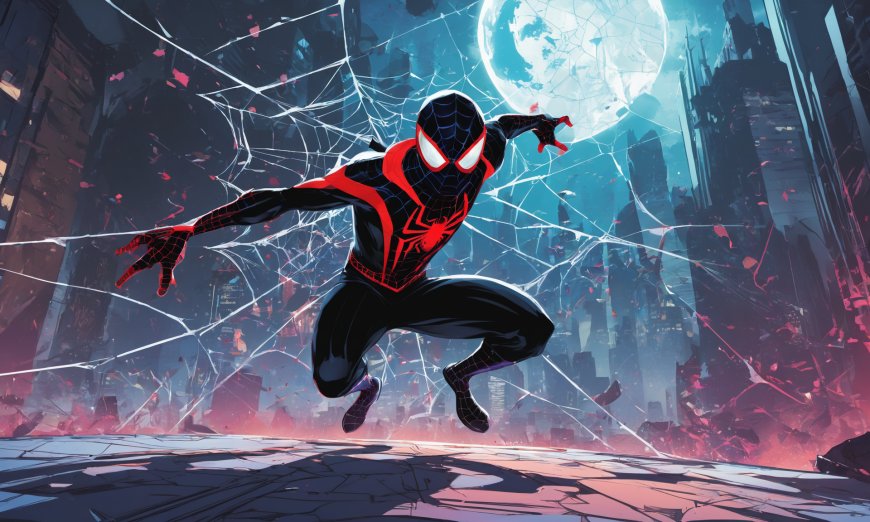


1. The Identity of Earth-42 Miles Morales
One of the most shocking reveals in Across the Spider-Verse is the alternate version of Miles Morales, the Prowler on Earth-42. This dark reflection of Miles raises questions about fate and identity.
- Key Clue: When Miles ends up on Earth-42, the lack of a Spider-Man in this dimension is a critical detail. The spider that bit him came from Earth-42, suggesting this Miles was destined to be Spider-Man instead.
- Foreshadowing: The conflict between the two Miles could explore the idea of nature versus nurture, with Earth-42 Miles representing what might have been if Miles hadn’t been guided by love and mentorship.
Takeaway: The clash between these two versions of Miles sets up a deeply personal and emotional confrontation in Beyond the Spider-Verse.
2. Gwen Stacy’s Redemption Arc
Gwen’s arc in Across the Spider-Verse is one of self-discovery and reconciliation. Her journey to reunite with her father and form her own "Spider-Team" hints at her pivotal role in the sequel.
- Key Clue: Gwen’s decision to assemble a team to help Miles suggests she will act as a bridge between the Spider-Society and Miles, potentially mending the fractured multiverse.
- Foreshadowing: Her willingness to stand against Miguel O’Hara and the established "canon" signals that she’ll be instrumental in challenging the rules governing Spider-Man’s fate.
Takeaway: Gwen’s redemption arc positions her as a key ally for Miles, both emotionally and strategically.
3. Miguel O’Hara’s Obsession with the Canon
Miguel O’Hara’s insistence on maintaining "canon events" within the multiverse is a recurring theme in the film. His belief that disrupting these events leads to universal collapse will likely face further scrutiny in the sequel.
- Key Clue: Miguel’s tragic backstory, where he replaced a version of himself in another dimension only to destroy it, hints at his deep guilt and flawed logic.
- Foreshadowing: The rigid adherence to the canon may ultimately be proven wrong, with Miles challenging the idea that suffering is necessary for heroism.
Takeaway: Miguel’s obsession with the canon could lead to a climactic showdown, redefining what it means to be Spider-Man.
4. The Importance of Spot as a Villain
Initially portrayed as a comedic nuisance, Spot evolves into a serious threat with his ability to manipulate space and dimensions. His transformation suggests he’ll play a critical role in the multiverse’s unraveling.
- Key Clue: Spot’s connection to the collider accident that gave Miles his powers makes their conflict deeply personal. His ability to destabilize dimensions foreshadows catastrophic consequences.
- Foreshadowing: Spot’s journey from underestimated villain to multiverse-level threat mirrors Miles’ own growth, setting up a parallel narrative for the final installment.
Takeaway: Spot may be the key to understanding—and ultimately repairing—the multiverse.
5. The Rebellion Against Fate
One of the film’s central themes is the idea of breaking free from predetermined destiny. Miles’ refusal to accept that his father must die as a "canon event" sets him apart from other Spider-People.
- Key Clue: The repeated motif of the "spider web" representing the multiverse emphasizes interconnected fates, but Miles’ actions suggest that even the strongest webs can be rewoven.
- Foreshadowing: By defying the canon, Miles may prove that heroism isn’t about following a set path, but about forging your own.
Takeaway: The rebellion against fate will likely culminate in Miles reshaping the rules of the Spider-Verse.
6. The Formation of the New Spider-Team
Gwen’s new team, including fan favorites like Spider-Man Noir, Spider-Ham, and Peni Parker, teases a more collaborative effort to save Miles and the multiverse.
- Key Clue: The reassembly of these allies, combined with new additions like Spider-Punk and Pavitr Prabhakar, hints at a united front against Miguel’s authoritarian approach.
- Foreshadowing: This team’s diverse experiences and perspectives may be the key to challenging the concept of the canon.
Takeaway: The collective power of the Spider-People reinforces the idea that individuality, not conformity, defines heroism.
7. Miles’ Family as the Emotional Core
The relationship between Miles and his parents remains central to his story. His love for them drives his determination to save his father, even if it means defying the multiverse’s rules.
- Key Clue: Rio Morales’ advice to Miles about standing tall despite challenges serves as a thematic anchor for his rebellion against the canon.
- Foreshadowing: The Morales family dynamic will likely play a crucial role in resolving the conflict, emphasizing the importance of love and support in shaping one’s destiny.
Takeaway: Miles’ connection to his family may hold the key to breaking the cycle of tragedy in the Spider-Verse.
8. The Hidden Motive Behind Miguel’s Actions
While Miguel’s actions seem driven by logic and fear, subtle hints suggest there may be more to his motives.
- Key Clue: Miguel’s mention of his lost family hints at a personal vendetta, with his strict enforcement of canon events serving as a way to prevent others from making the same mistakes he did.
- Foreshadowing: Miguel’s vulnerability could lead to a revelation that reshapes his character arc, possibly aligning him with Miles.
Takeaway: Miguel’s complexity as a character adds depth to the multiverse conflict, making him more than just an antagonist.
Interesting Fact:
Did you know that the filmmakers used over 1,000 unique art styles to depict the various universes in Across the Spider-Verse? This approach visually reinforces the film’s themes of individuality and interconnectedness.
Conclusion
Spider-Man: Across the Spider-Verse isn’t just a visual spectacle—it’s a carefully crafted narrative filled with foreshadowing and thematic depth. From the introduction of Earth-42 Miles to the rebellion against fate, the film sets the stage for a dramatic and emotionally charged conclusion in Beyond the Spider-Verse.
What twists do you think await Miles and his allies? Let us know your theories!