

Göbekli Tepe: The Oldest Temple on Earth
Explore the history of the discovery of Göbekli Tepe in Turkey, its architectural features, and its significance for understanding the development of early civilizations.
 Sly Puzzle Games


Göbekli Tepe, nestled in the hills of southeastern Turkey, is one of the most groundbreaking archaeological discoveries of our time. This ancient site, often referred to as the world's oldest temple, has revolutionized our understanding of early human civilization. Let's delve into the history of its discovery, its remarkable architectural features, and its significance.
Discovery of Göbekli Tepe
Göbekli Tepe was discovered in 1994 by Klaus Schmidt, a German archaeologist. Although the site had been noted by earlier researchers, it was Schmidt who realized its true importance. Excavations revealed that Göbekli Tepe dates back to around 9600 BCE, making it over 11,600 years old—predating Stonehenge by several millennia and the Egyptian pyramids by nearly 7,000 years.
Architectural Features
The architectural features of Göbekli Tepe are truly astonishing, given its age:
- Massive T-Shaped Pillars
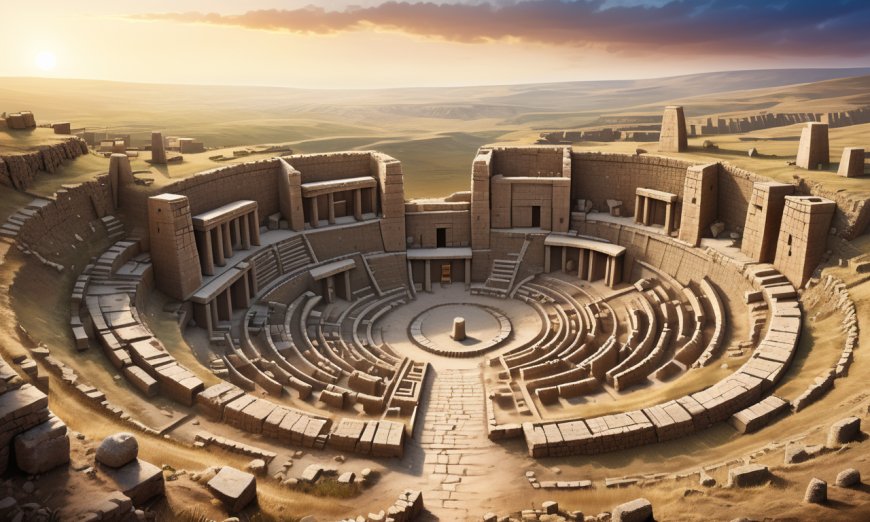
The site is characterized by massive T-shaped limestone pillars, some of which are up to 18 feet tall and weigh up to 20 tons. These pillars are arranged in circular formations, with several rings uncovered so far.
Interesting Fact: The pillars are intricately carved with reliefs of animals, including lions, snakes, and birds, showcasing the artistic skills of the site's builders.
- Circular Enclosures
The pillars are set in circular enclosures, which are thought to have been roofed. The purpose of these enclosures remains a subject of debate, but they likely served a significant religious or ceremonial function.
- Sophisticated Carvings
The carvings on the pillars are not just artistic expressions but also provide insights into the symbolic world of the people who built Göbekli Tepe. The animals depicted may have held spiritual significance or represented clan symbols.
Significance for Understanding Early Civilizations
Göbekli Tepe has profound implications for our understanding of early human societies:
- Challenge to Traditional Views
The discovery of Göbekli Tepe challenges the traditional view that complex societies and monumental architecture emerged only after the development of agriculture. This site was built by hunter-gatherers long before the advent of farming, suggesting that social organization and religious practices spurred the development of settled communities.
- Insight into Early Religion
Göbekli Tepe provides invaluable insights into early religious beliefs and practices. The site's sheer scale and the effort required to construct it indicate that religious or ceremonial activities played a central role in the lives of its builders.
- Catalyst for Settled Life
Some researchers believe that the construction and use of Göbekli Tepe may have been a catalyst for the transition from nomadic to settled life. The need to gather large groups of people for construction and rituals could have led to the establishment of permanent settlements and, eventually, the development of agriculture.
A Little Fun Fact
Oh, and by the way, did you know that Göbekli Tepe means "Potbelly Hill" in Turkish? The name reflects the site's distinctive mound shape, which was created by millennia of human activity and sediment accumulation.
Conclusion
Göbekli Tepe stands as a testament to the ingenuity and spiritual life of our ancient ancestors. Its discovery has opened a new chapter in the study of human history, challenging our assumptions and offering a glimpse into the early development of civilization.
And if you love exploring ancient mysteries and solving puzzles, don't forget to check out our word puzzle game, Sly Puzzle Games. It's a great way to keep your brain sharp and entertained. Happy exploring!